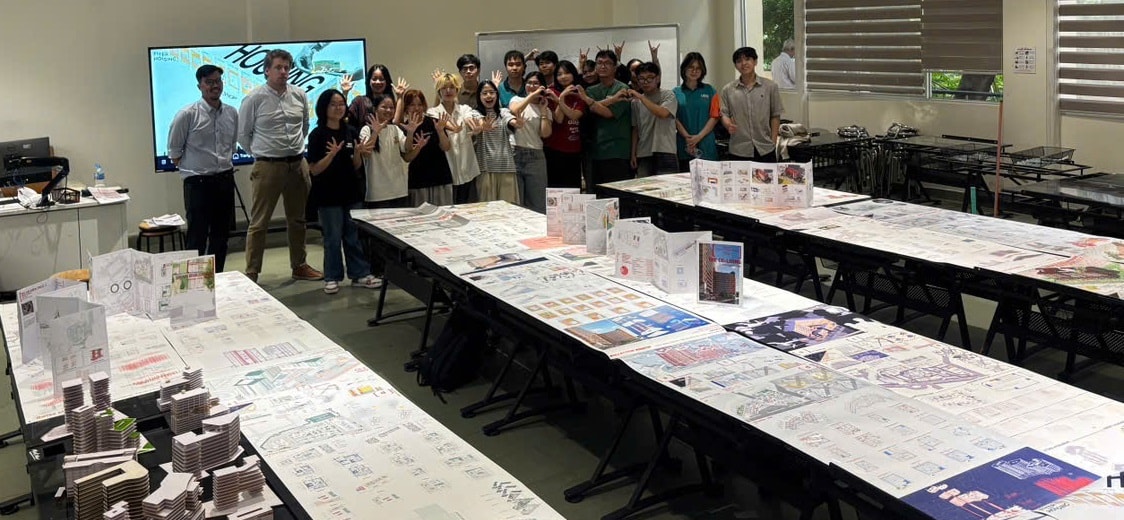
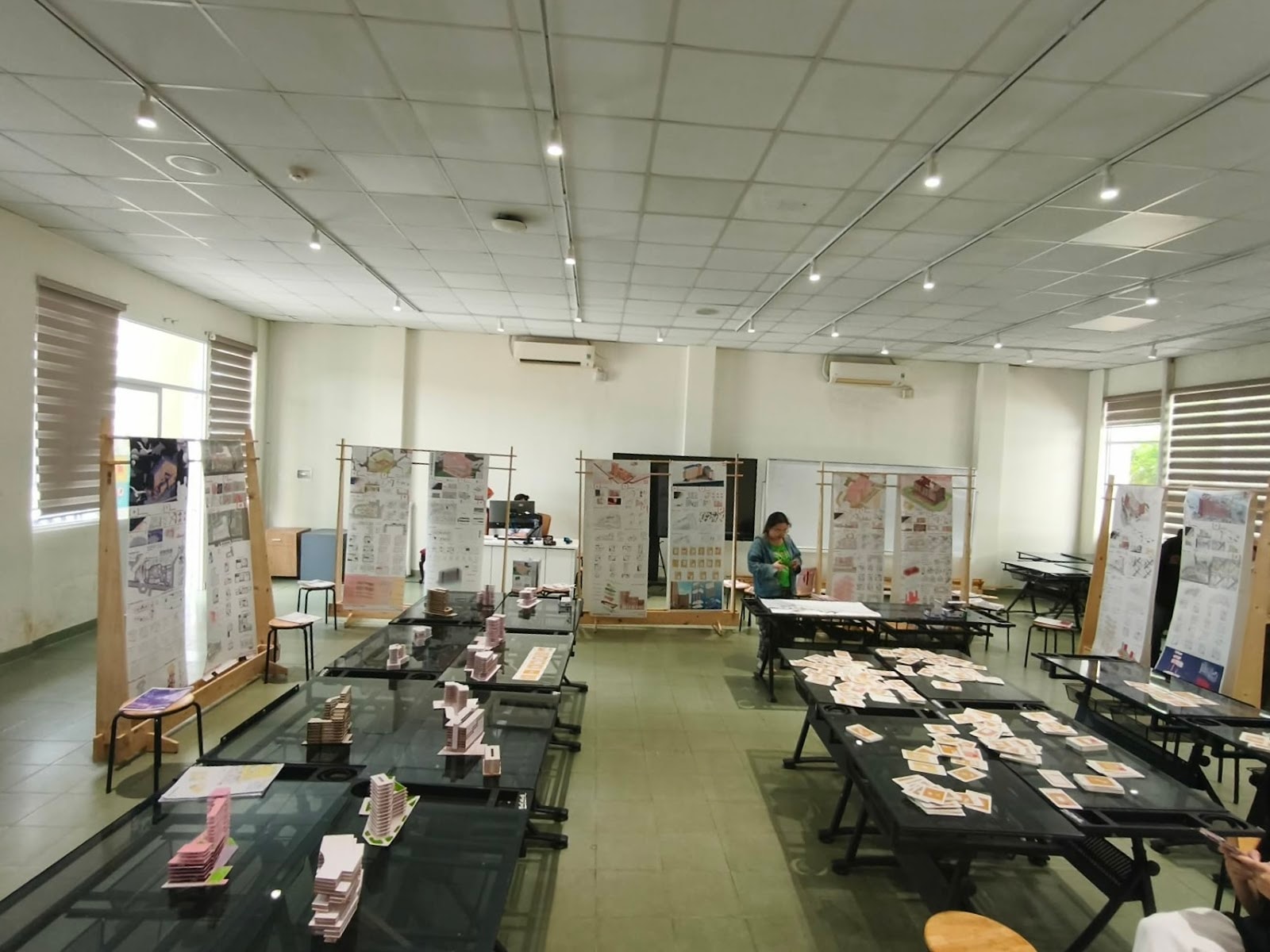
Future Livings - Architecture StudioLab 2


Urbanization Context and the Urgent Need for Sustainable Living Spaces
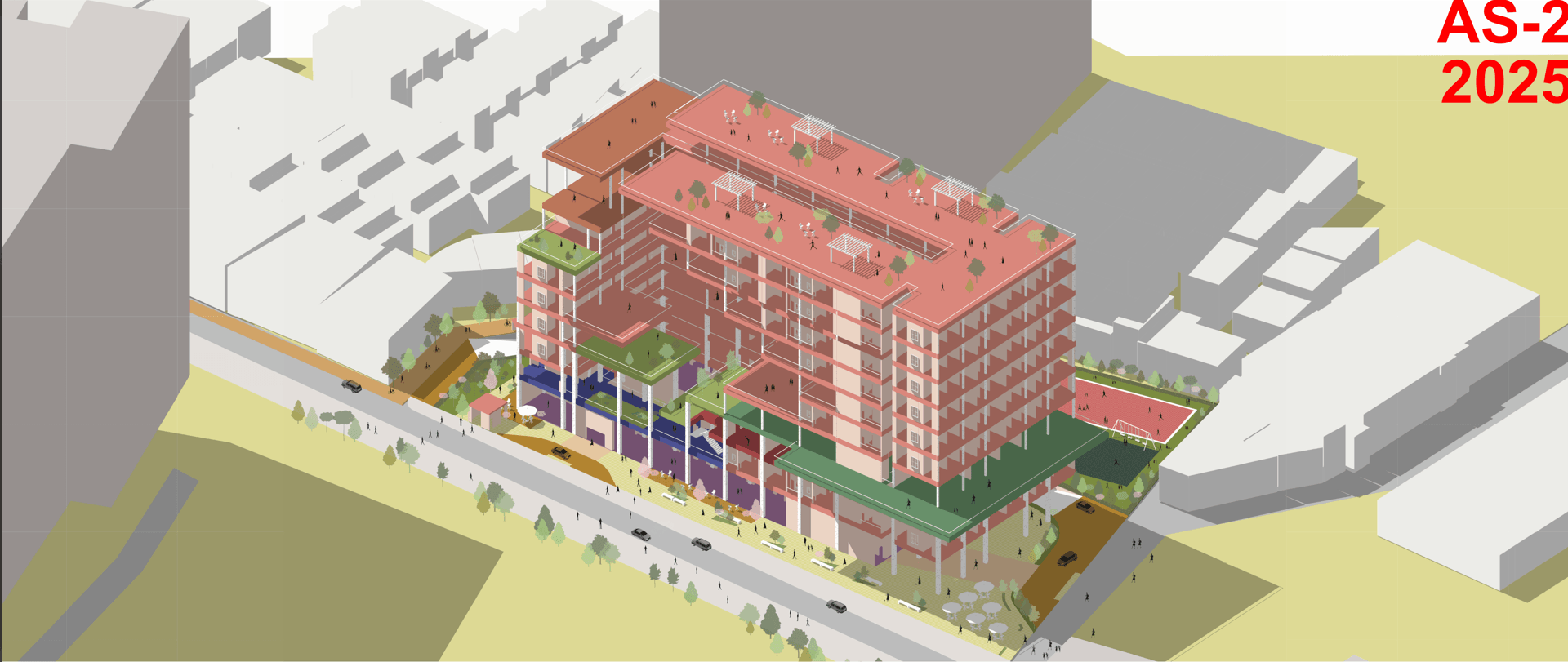
Housing has always been a fundamental human need; however, the question of how to live sustainably has become increasingly urgent in the context of contemporary urbanization. With more than 40% of Vietnam’s population currently residing in urban areas, rapid urban growth has generated a series of critical challenges: shrinking living spaces, rising living costs, and residential environments that are increasingly “optimized” for efficiency while lacking human-centered values, community connection, and harmony with the natural environment. According to UN-Habitat (2020), housing is not merely a physical structure but “a foundation for health, well-being, and productivity,” highlighting the direct relationship between housing quality and human as well as social development.
Architectural Design Studio 2 – Studio Lab 2, under the theme Future Living, aims to equip students with a comprehensive approach to housing design, emphasizing the integration of context, typology, and architectural feasibility.
The entire design process is structured around three main frames, which function as conceptual layers guiding the studio workflow and clearly defining the expected design outcomes.
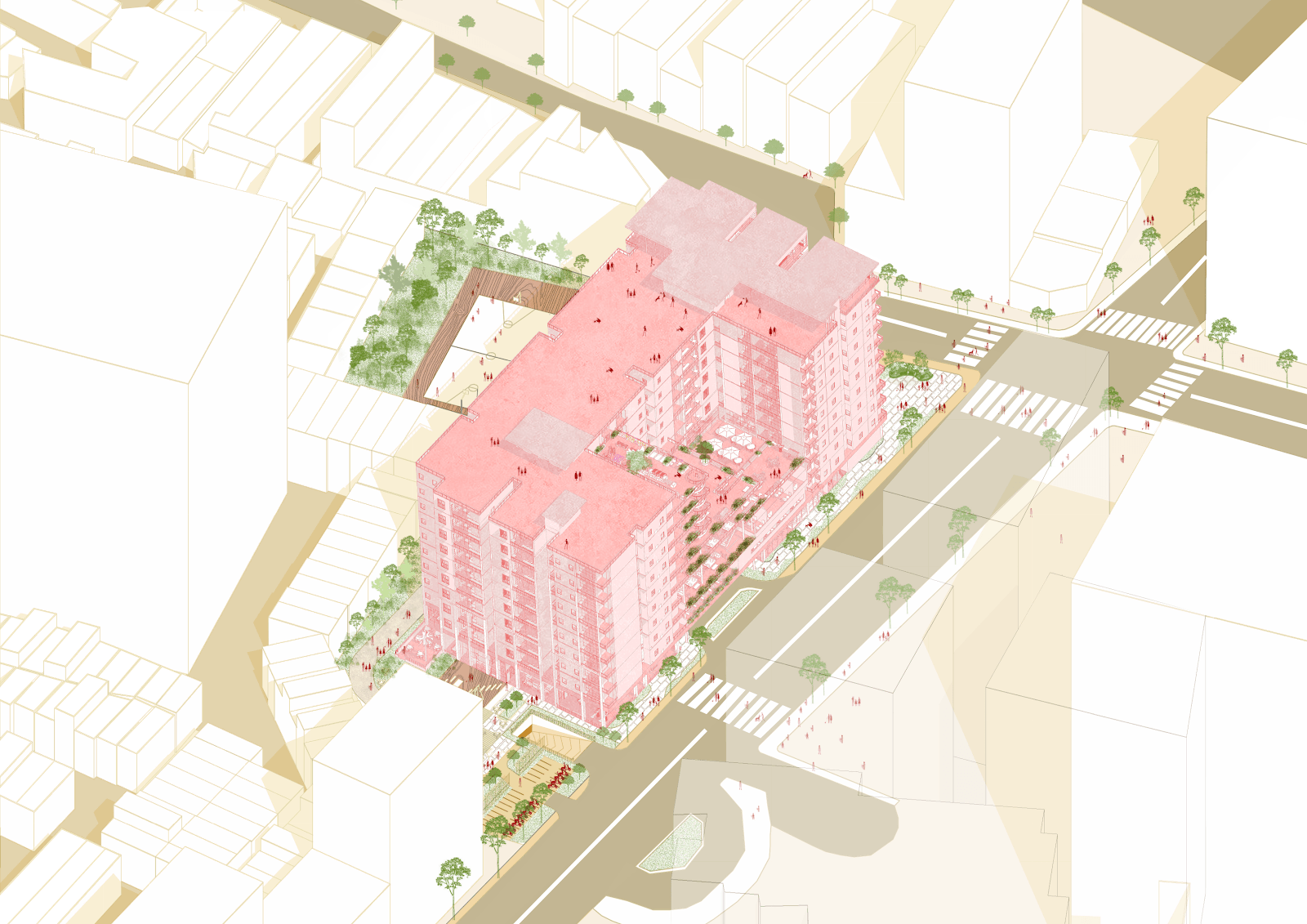
Frame 1 – Surrounding: In Frame 1, students focus on investigating the surrounding context and the impacts of the urban environment on the project site. The design outcome at this stage is required to address the relationship between the building and its landscape, as well as the influence of daily human activities. Factors such as access, circulation, service usage, and public space utilization at different times of the day are analyzed and incorporated into the landscape design and overall spatial organization of the project.
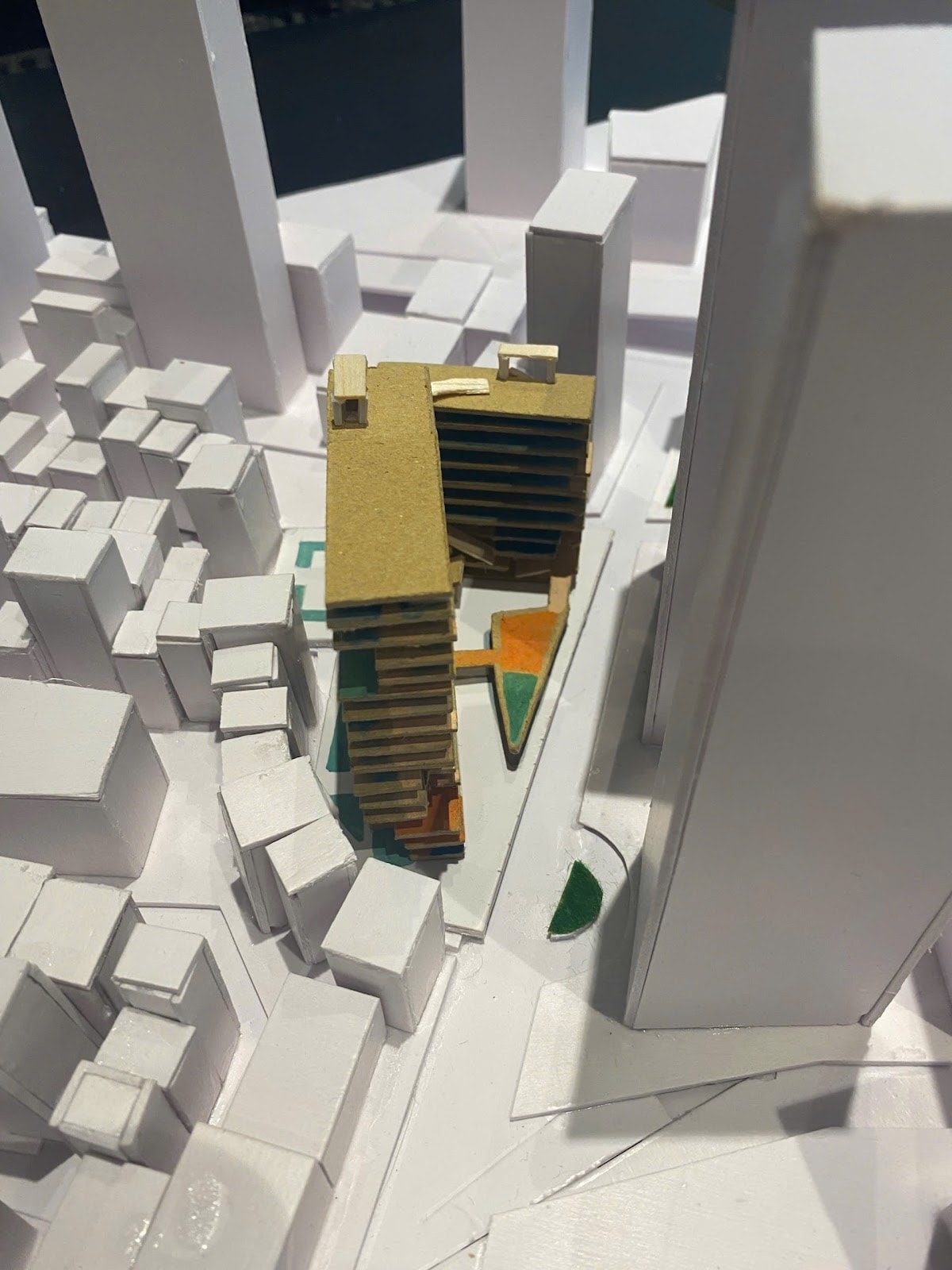
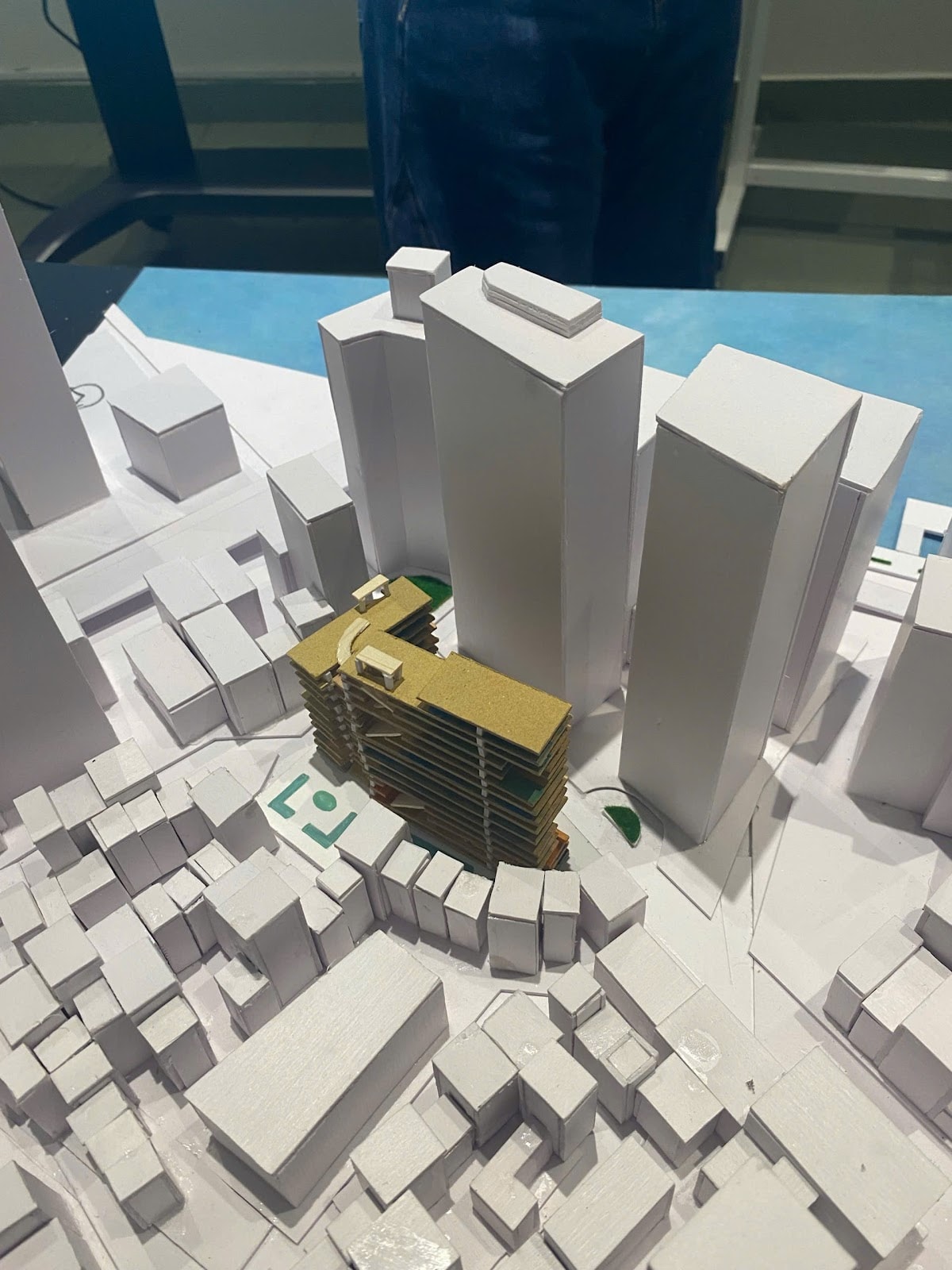
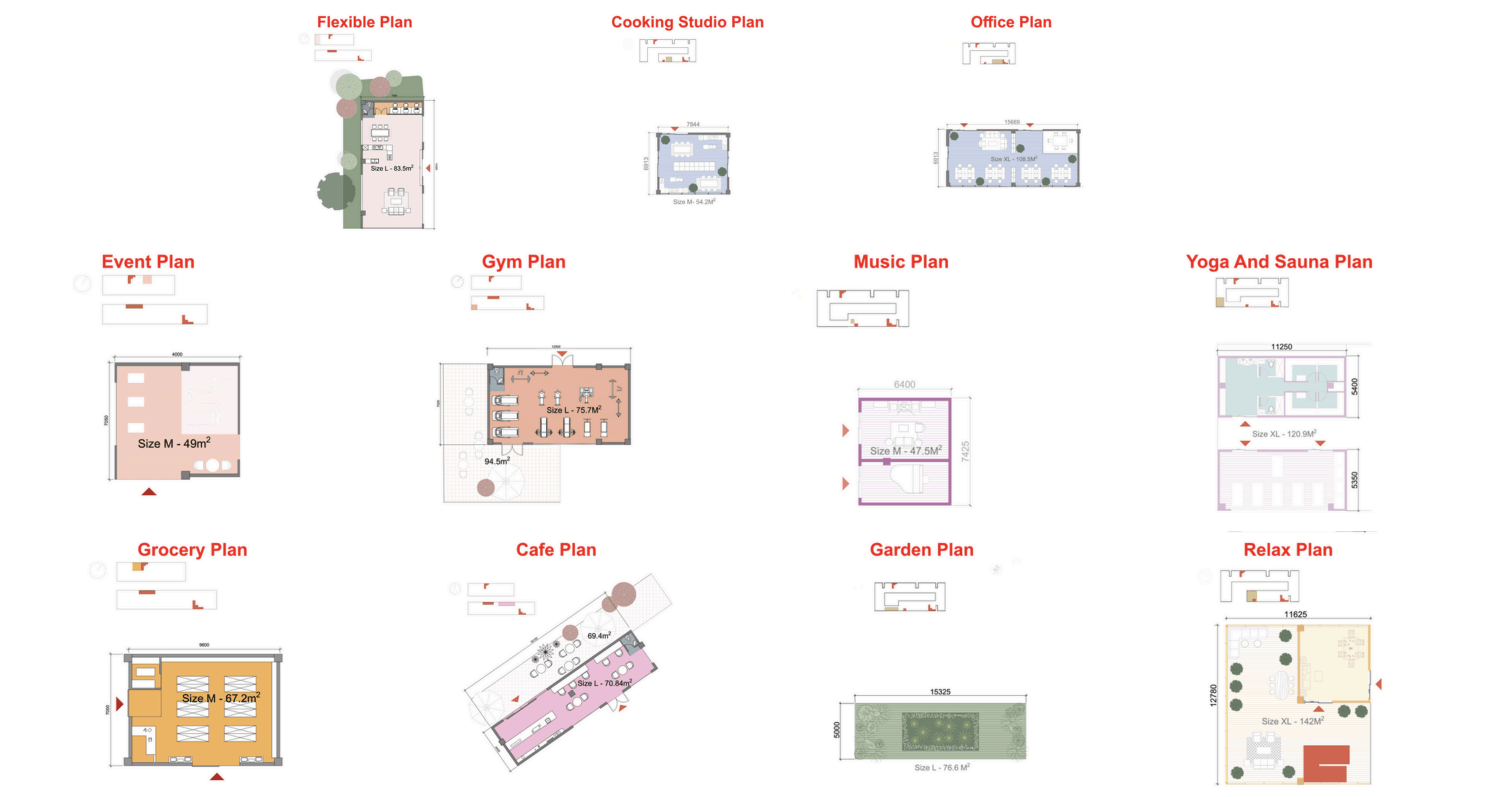
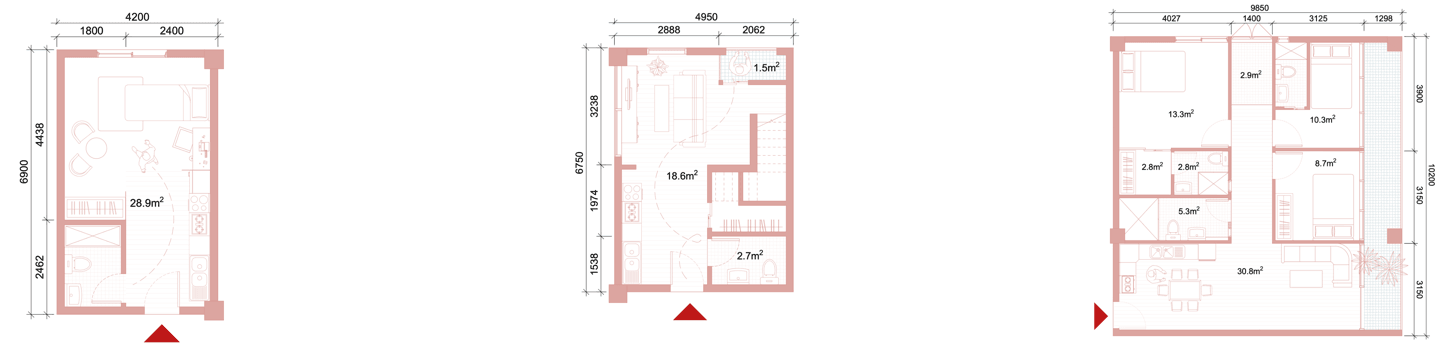
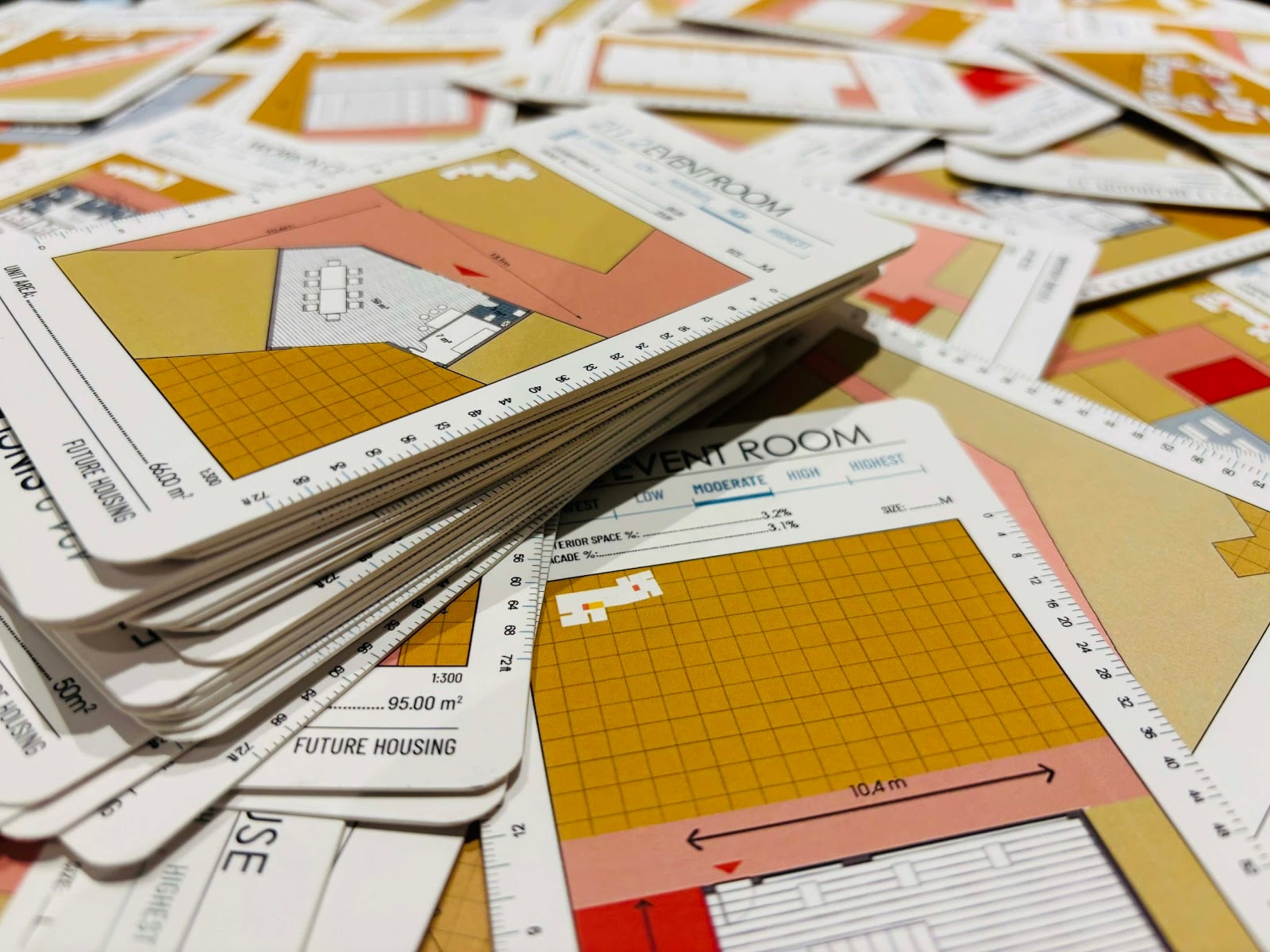
Frame 2 – Typology: In Frame 2, the project is developed based on the specific requirements of the assigned housing typology. Students propose floor plan solutions that respond to patterns of use while clearly organizing the relationship between shared and private spaces. Environmental analyses—such as solar orientation, prevailing winds, and shadow casting from surrounding buildings — serve as a foundation for shaping the building mass and spatial configuration, ensuring both functional efficiency and a high quality of living for residents.
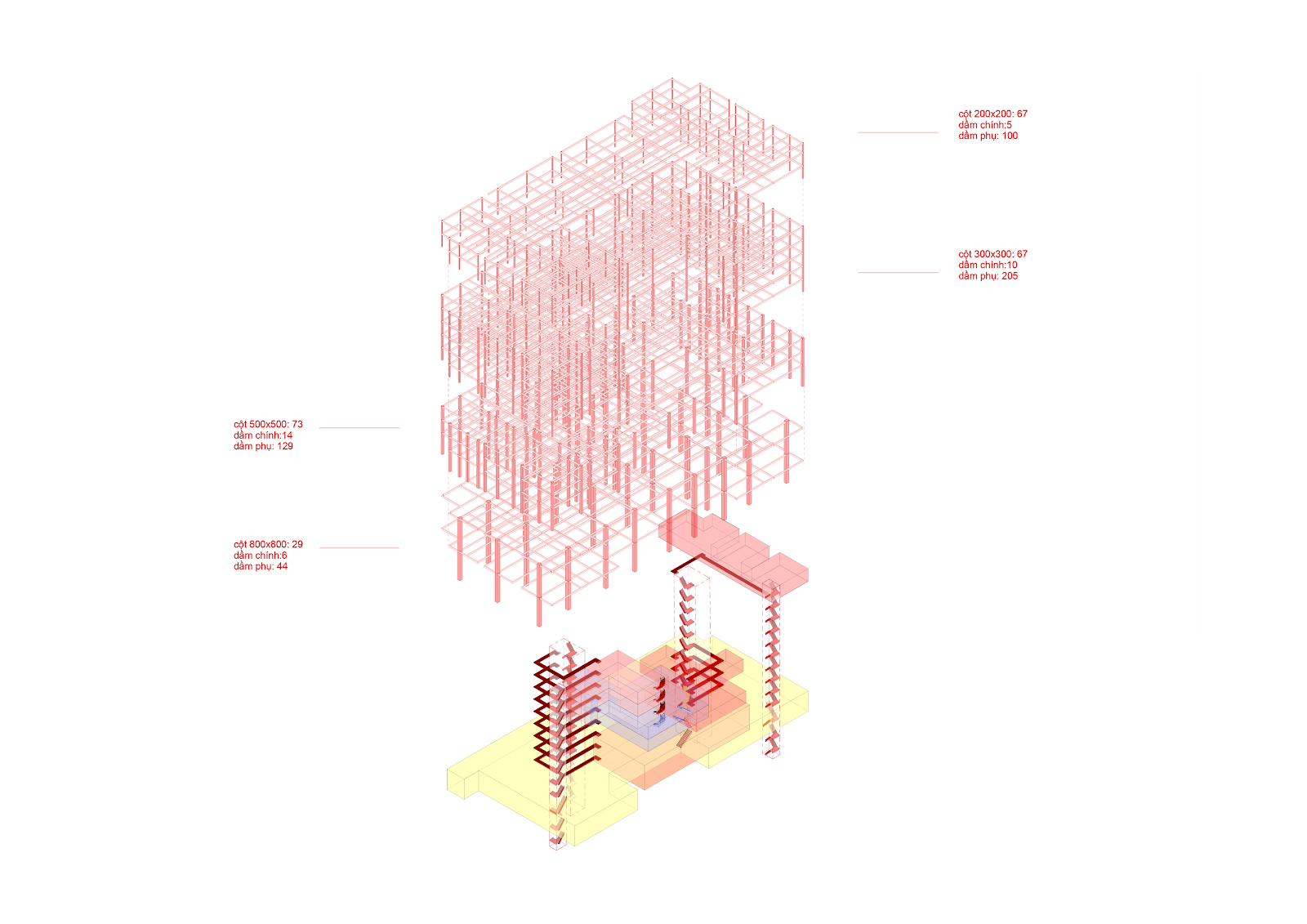
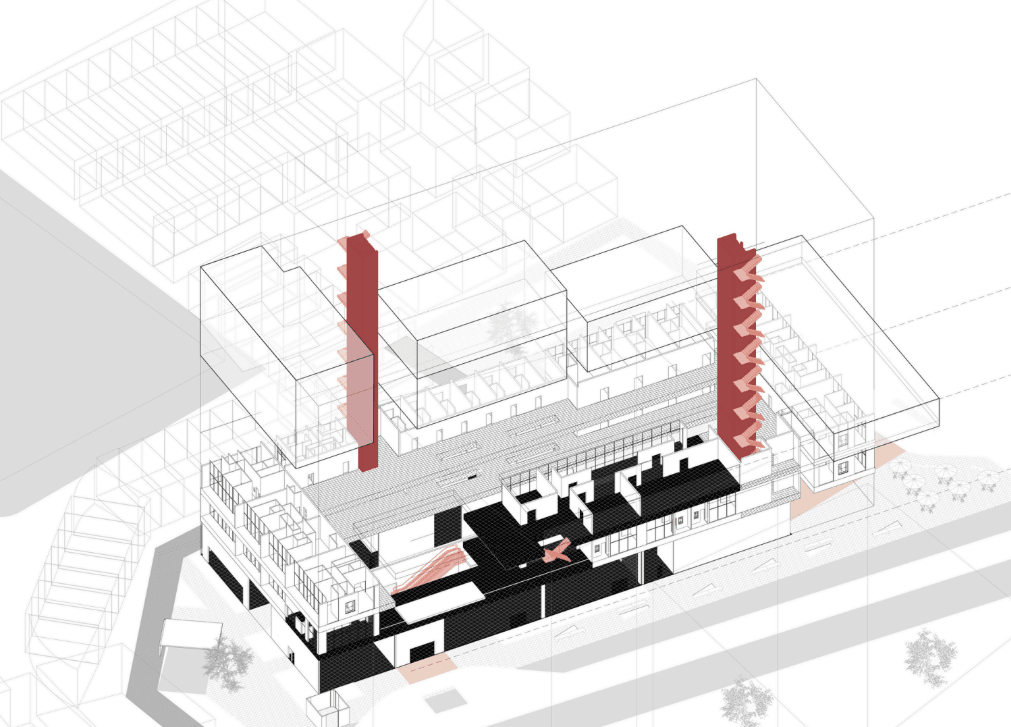
Frame 3 – Structure / Design: Frame 3 emphasizes the architectural feasibility of the project. Students work with column–beam structural systems, study structural variations across different levels, and evaluate the impact of structure on architectural space.
Technical aspects—including basement parking design, occupant capacity calculations, and the organization of vertical and horizontal circulation—are considered in parallel with residential space design. Each housing unit is designed to ensure adequate natural lighting and ventilation, while amenities and landscape systems are arranged in accordance with the housing typology and real-life living demands.
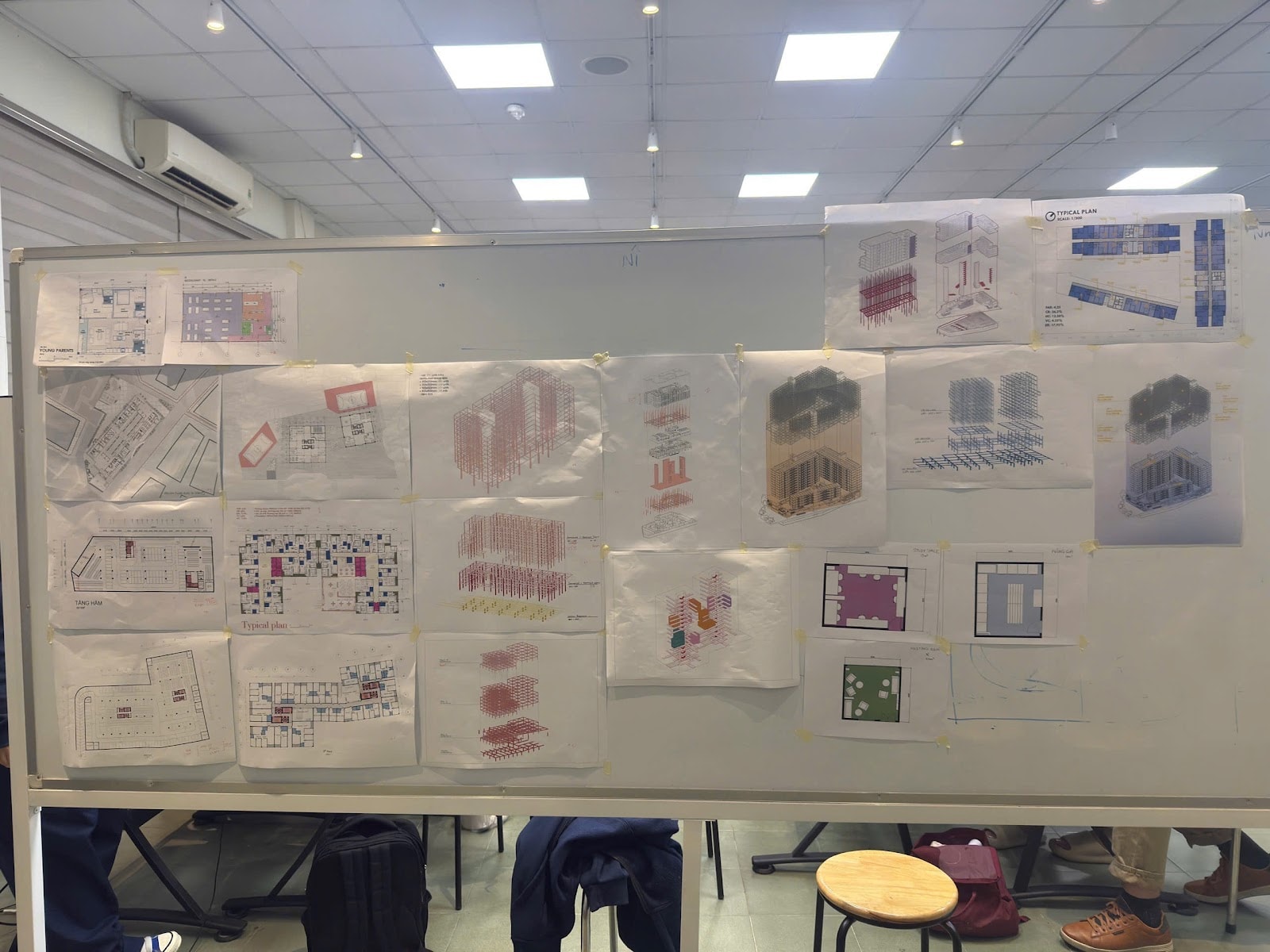
By the end of the course, students complete a housing project under the theme Future Living that satisfies contextual, typological, and feasibility requirements. The studio outcome is not only a design product but also a reflection of a systematic architectural thinking process, serving as a foundation for subsequent studio courses and for addressing future housing challenges in rapidly urbanizing contexts.