
Learning from a Livable City: ISCM Students’ Study Trip to Singapore 2026


From March 5–8, 2026, lecturers and students from the Institute of Smart City and Management (UEH – ISCM) embarked on an enriching study trip to Singapore. The visit was a part of the 2026 “Glocal Innovation for Sustainable Living” series, aiming to provide learners with opportunities to experience firsthand the development of smart and sustainable urban environments in one of Asia’s most exemplary countries.
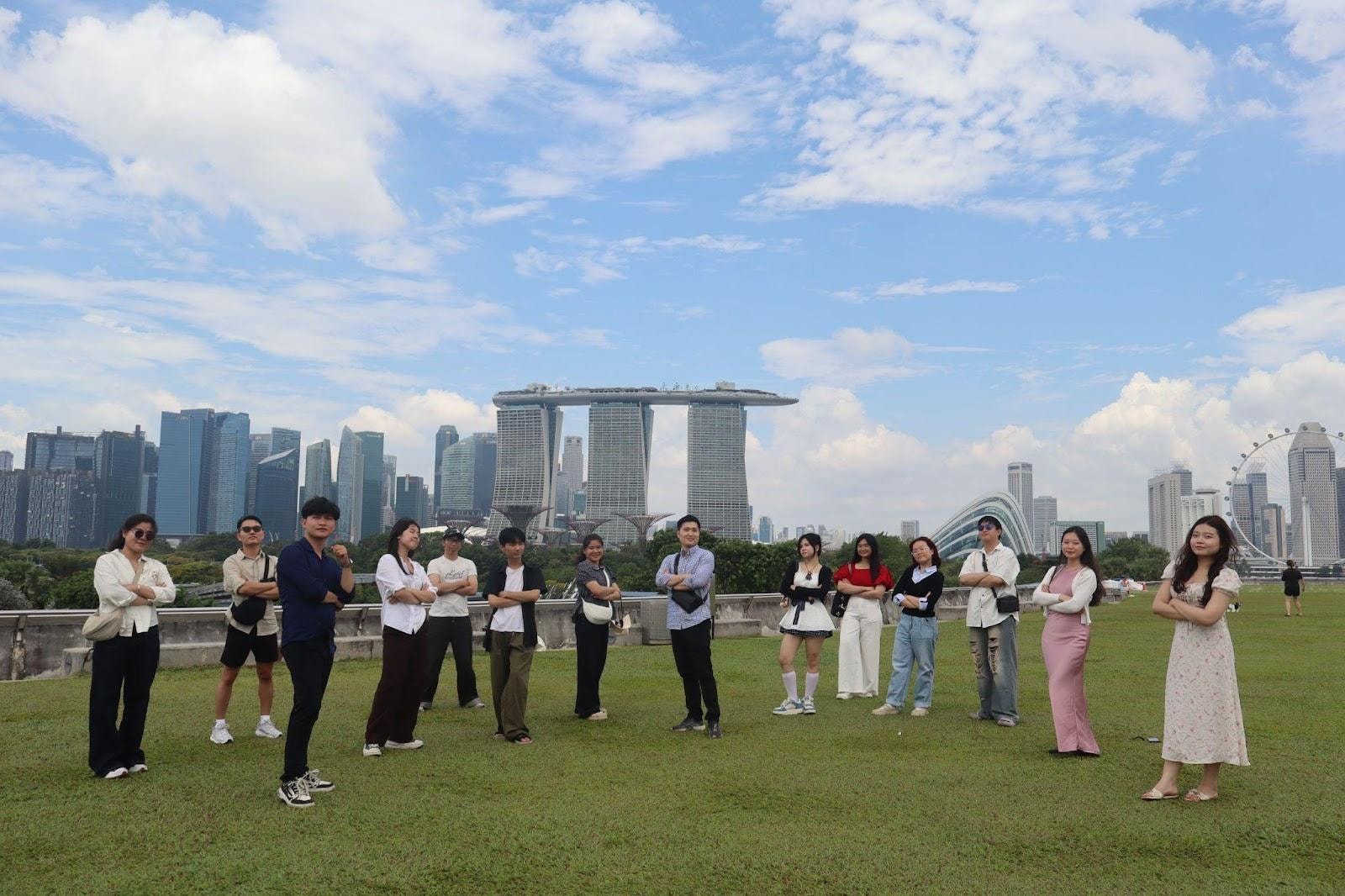
More than simply exploring famous landmarks, the trip offered participants the opportunity to observe how a small nation systematically builds and manages its cities with intelligence, efficiency, and long-term vision. Through expert meetings, visits to research institutions and universities, and explorations of iconic urban projects, students were able to connect academic knowledge with real-world urban development practices.
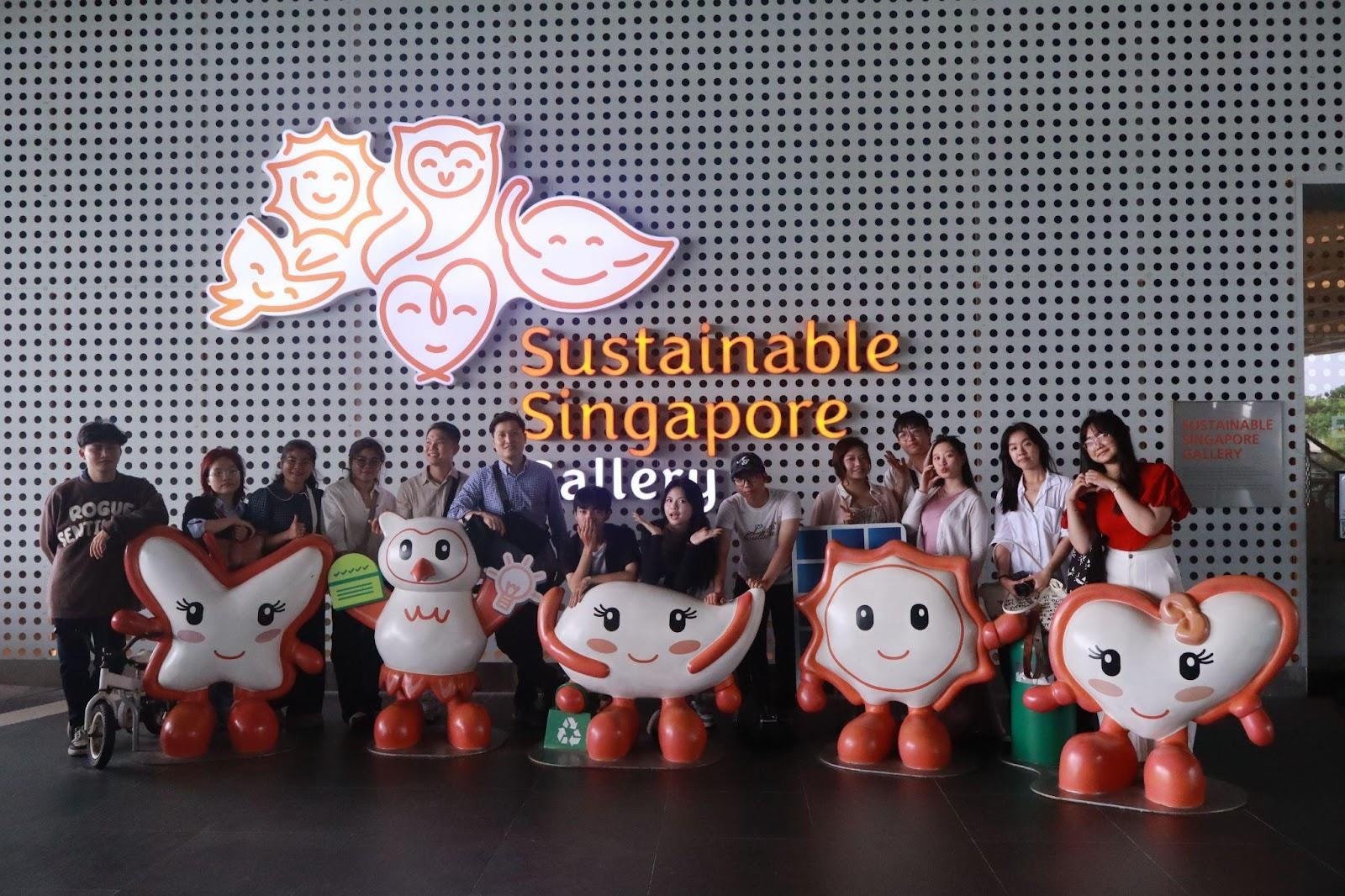
Learning from Leading Research Centers and Universities
The first stop was the Lee Kuan Yew Centre for Innovative Cities at the Singapore University of Technology and Design (SUTD). Here, the group was introduced to the center’s establishment journey, research philosophy, and various innovation projects in urban development.
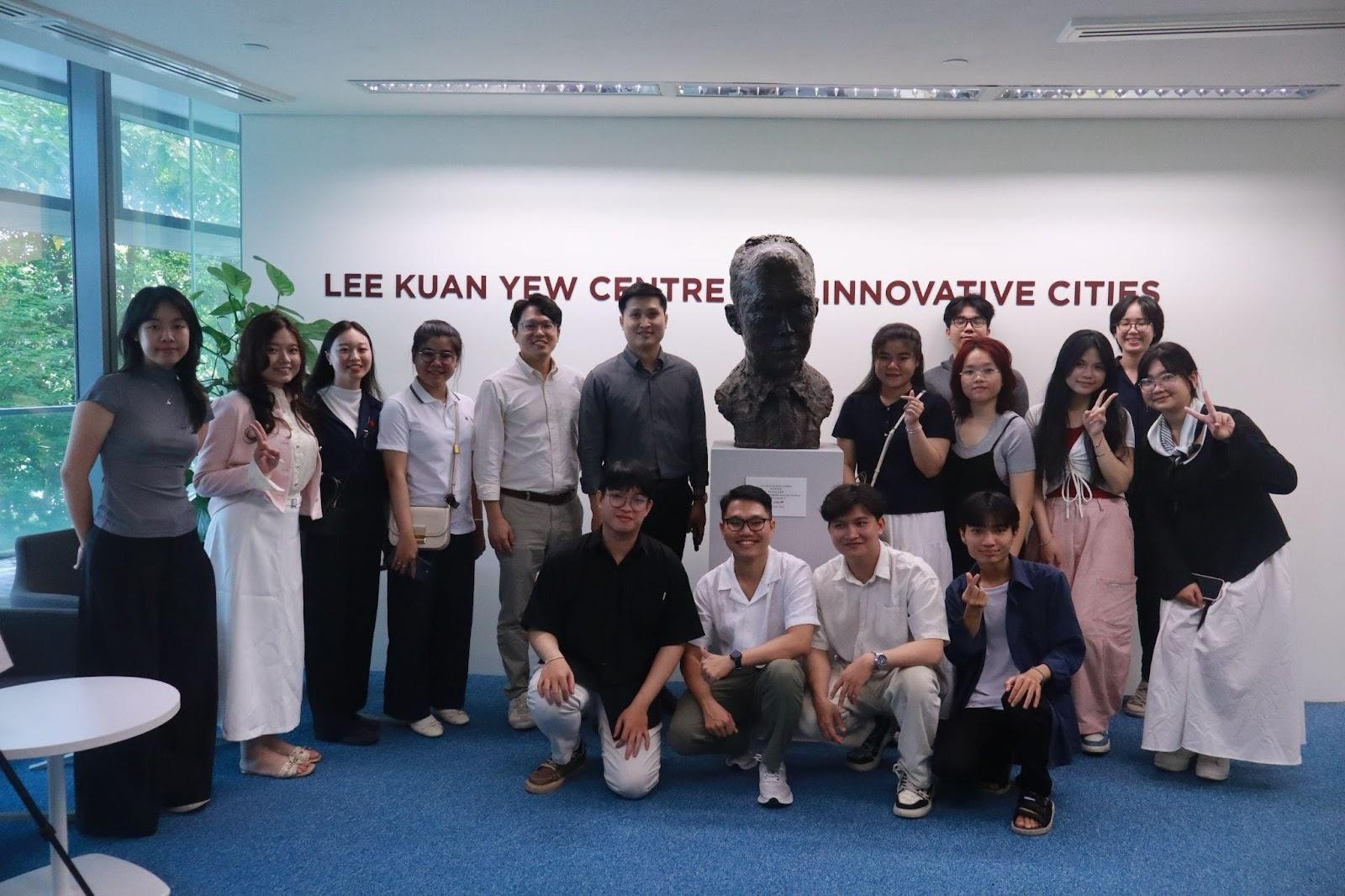
A notable highlight was the Net Zero Futures Lab, where researchers are exploring solutions to reduce carbon emissions through smart data systems, low-emission building design, and sustainable social models. The group also visited the Dyson-SUTD Innovation Studio, a creative space funded by the James Dyson Foundation, where students and engineers collaborate to develop technological solutions addressing global challenges.
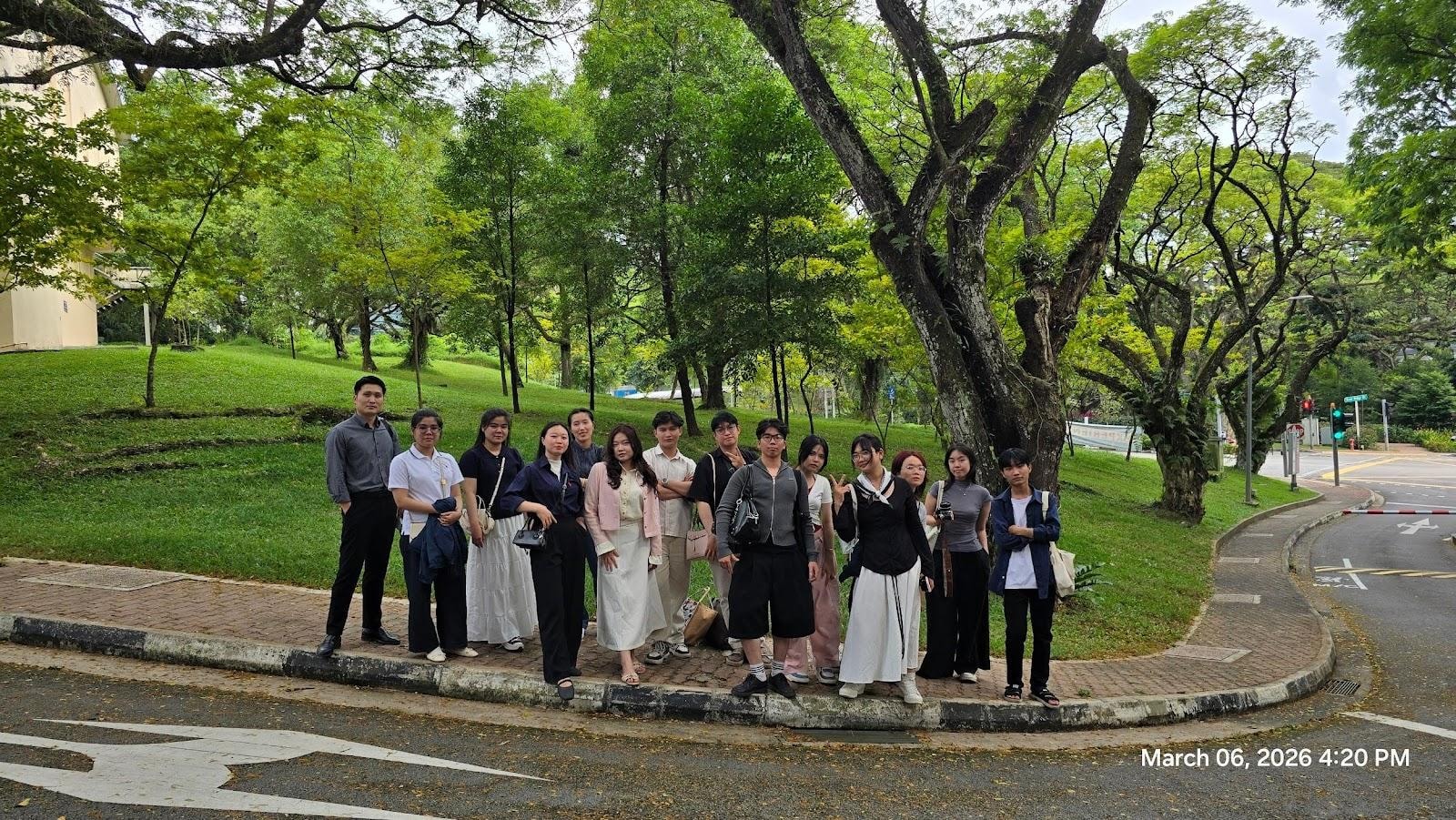
In addition, the group visited the National University of Singapore (NUS), well known for its open and innovative learning environment. Buildings on campus are intelligently designed to maximize natural lighting and ventilation, surrounded by lush green landscapes with thousands of mature trees. This environment significantly reduces the urban heat island effect, providing a vivid example of how Singapore integrates architectural design, green spaces, and academic environments in urban development.
Exploring Icons of Green and Sustainable Urbanism
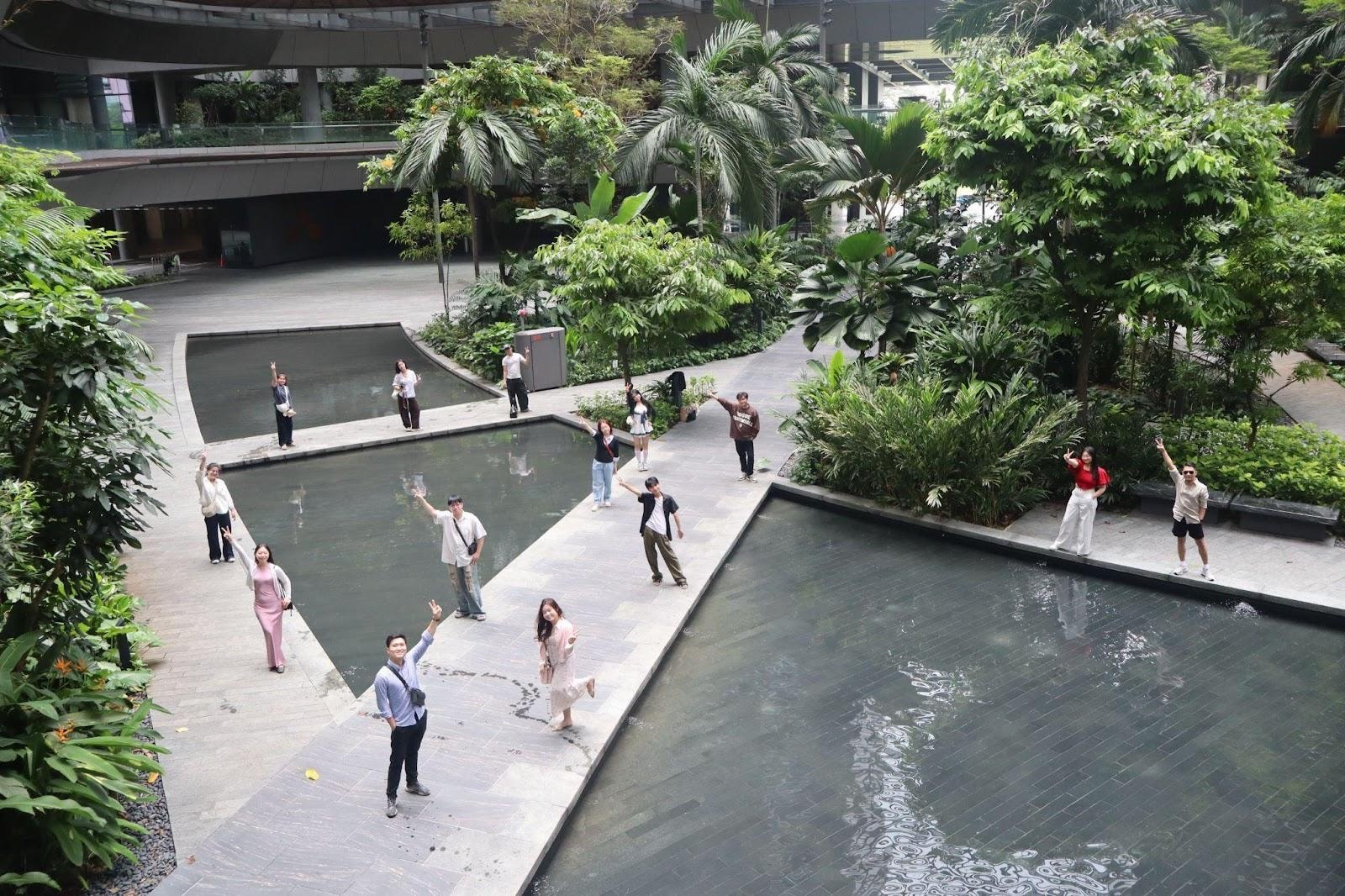
During their exploration of the city, the group also visited Singapore Botanic Gardens, the first and only tropical botanical garden in the world recognized as a UNESCO World Heritage Site (2015). Another destination was Marina One, a prominent mixed-use development in the Marina Bay financial district, often referred to as the “Green Heart” of the city. The project integrates offices, residential spaces, and commercial areas around a multi-layered central garden, becoming a symbol of sustainable architecture within a high-density urban environment.
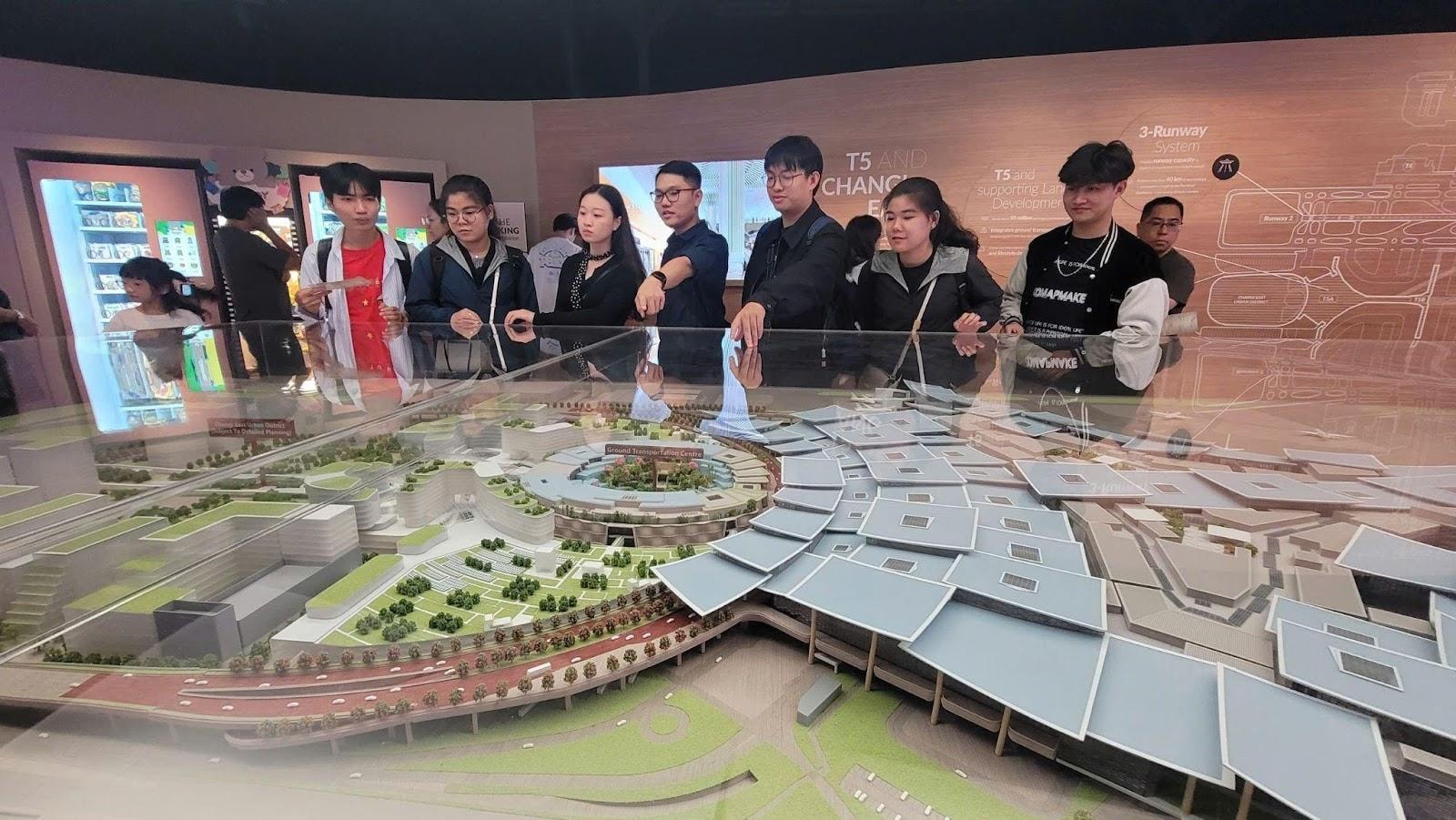
Another special experience was visiting the public exhibition of Changi Airport Terminal 5 at Singapore Changi Airport. The exhibition introduces the vision for the T5 terminal, which is expected to become the largest airport terminal in the world when completed in the mid-2030s. Scale models, 3D simulations, and multimedia presentations allow visitors to visualize how the airport will operate in the future, incorporating advanced technologies such as robots, automation systems, and smart devices.
This engaging presentation approach helps residents and visitors better understand the project’s scale and long-term vision—demonstrating how Singapore communicates urban development strategies to the public in an accessible and compelling way.
When the City Becomes a Classroom
Looking back on the journey, what left the deepest impression was how Singapore designs urban experiences for both residents and visitors while simultaneously preparing for the nation’s future. From urban planning and infrastructure development to the design of public spaces, every element reflects long-term vision and an integrated approach.
The trip not only helped ISCM students gain a deeper understanding of how Singapore develops its cities, but also opened new perspectives on the role of urban design in improving quality of life and advancing green, smart, and sustainable development.
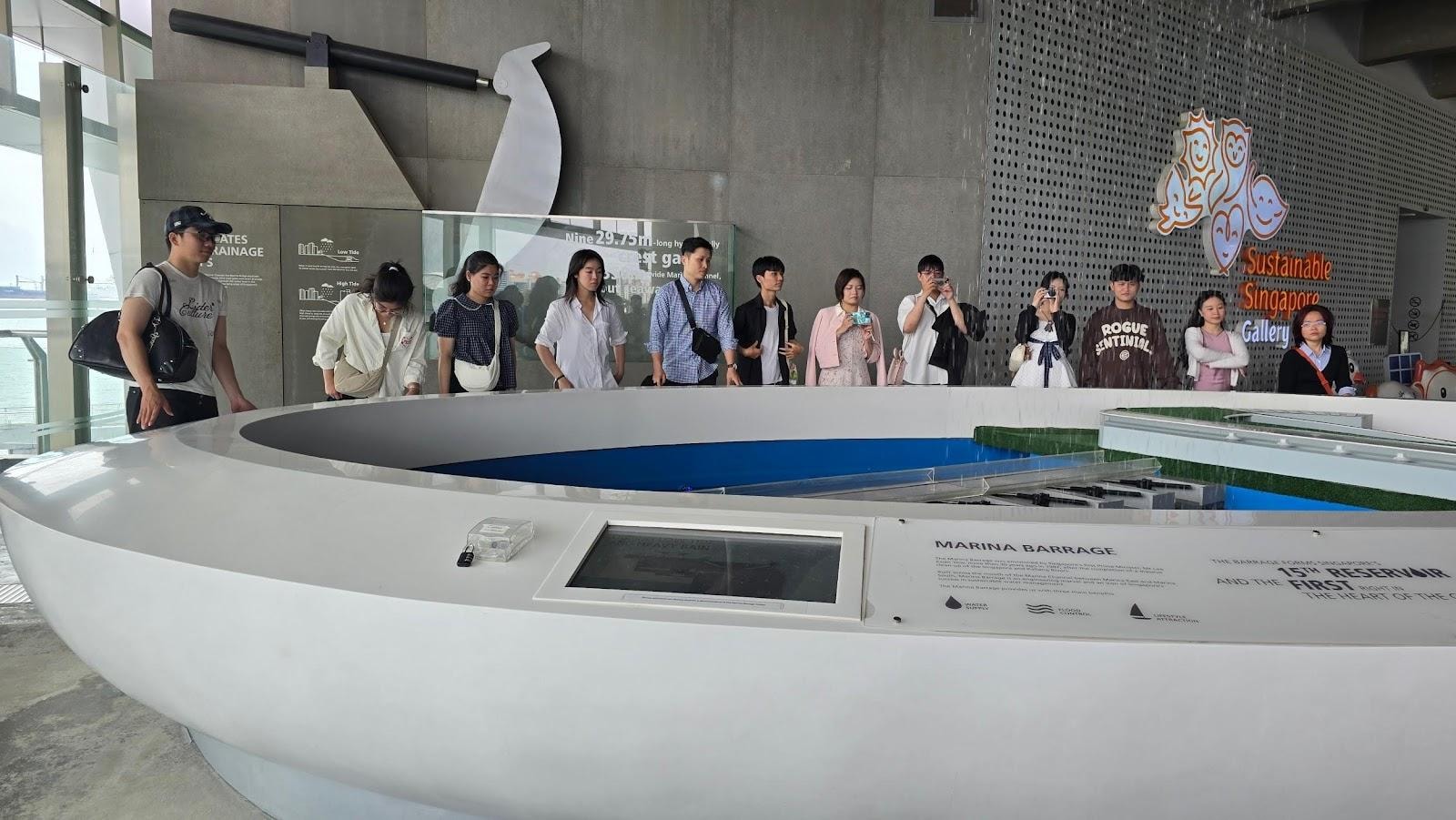
Study Trip – A Part of the Learning Journey at ISCM
International study trips such as Singapore are part of the experiential learning activities within the Smart Urban Architecture and Design program. The program adopts an interdisciplinary approach combining architecture, urban studies, technology, and social sciences, enabling students to develop analytical and urban design thinking in the context of cities transitioning toward smart and sustainable development. Students are trained to participate in urban planning projects, architectural and landscape design, as well as the application of technology in smart city development.
With the educational philosophy “Global Vision – Local Commitment,” the program aims to train a new generation of architects and urban designers capable of understanding global cities while acting effectively within local contexts.
Learn more about ISCM’s undergraduate programs:
Bachelor of Architectural and Urban Design for Inclusive Smart City (BAUD): https://iscm.ueh.edu.vn/vi/undergraduate/baud
Bachelor of Architectural and Urban Design for Inclusive Smart City (Architect): https://iscm.ueh.edu.vn/vi/undergraduate/baud-arch
Bachelor of Smart Mobility and Operations Management (BMOM): https://iscm.ueh.edu.vn/vi/undergraduate/bmom
Below are some highlights from the Singapore experience shared by ISCM students
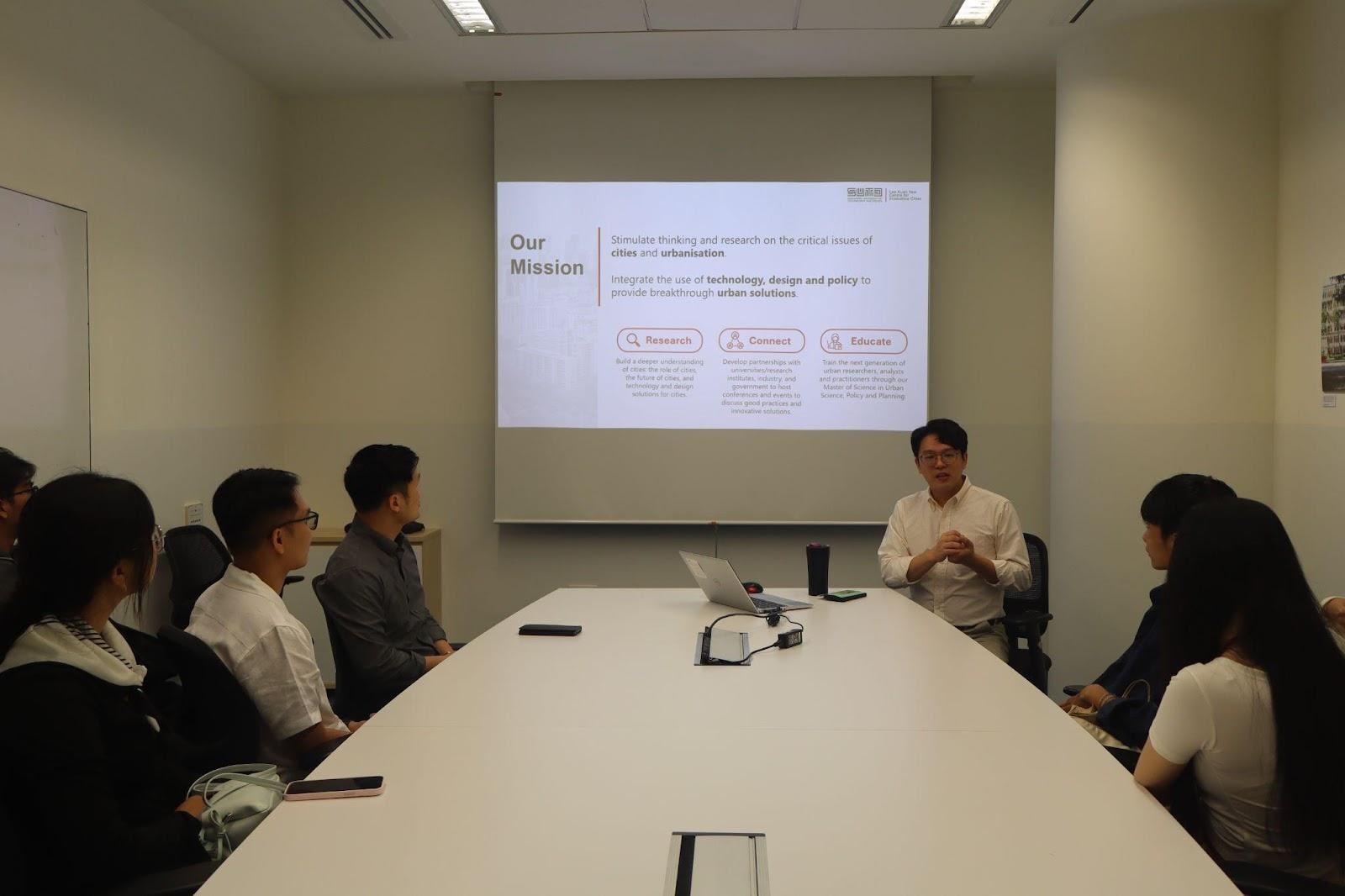
Visit to the Lee Kuan Yew Centre for Innovative Cities (LKYCIC) at Singapore University of Technology and Design (SUTD)
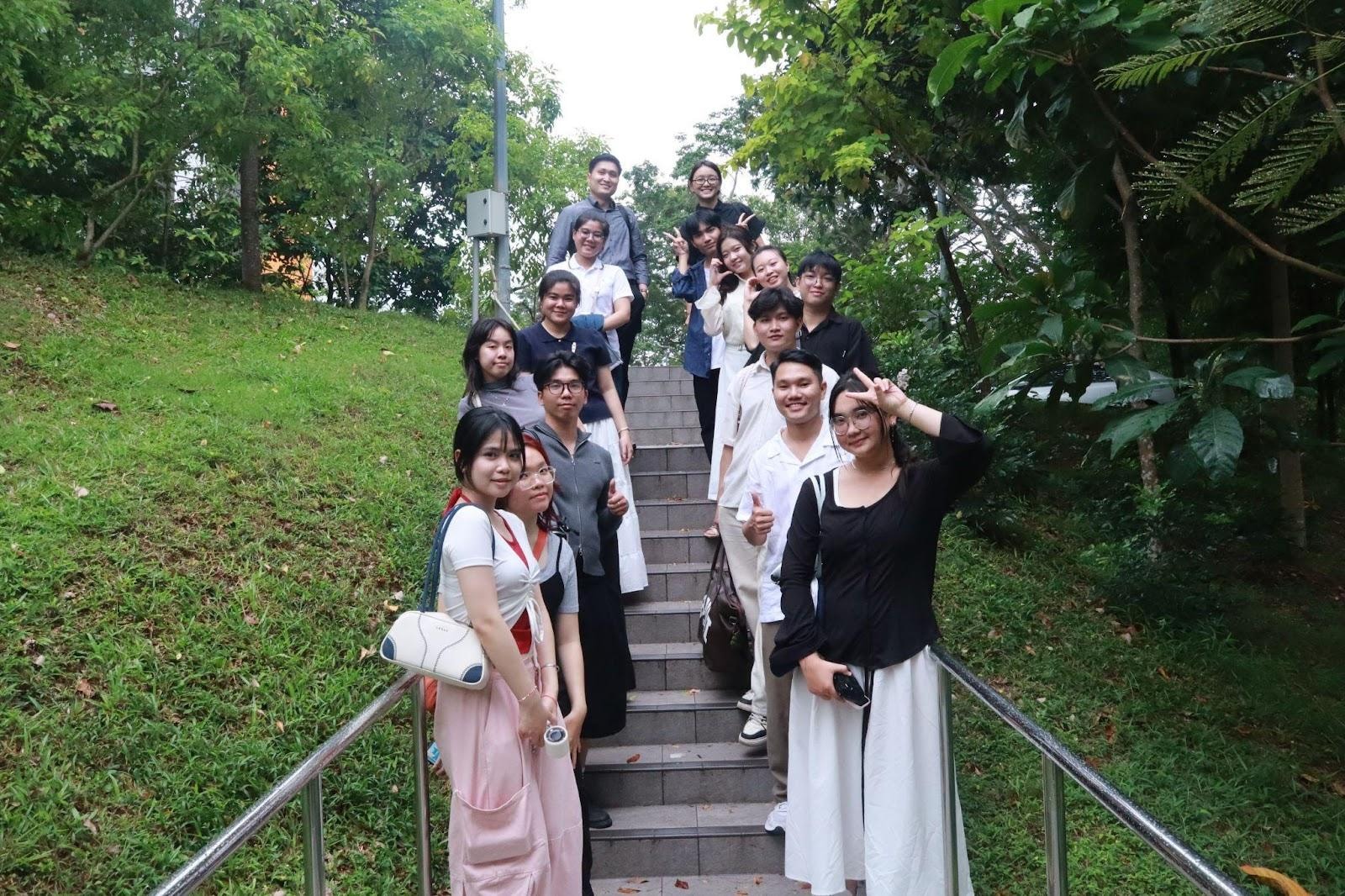
Visit to National University of Singapore (NUS)
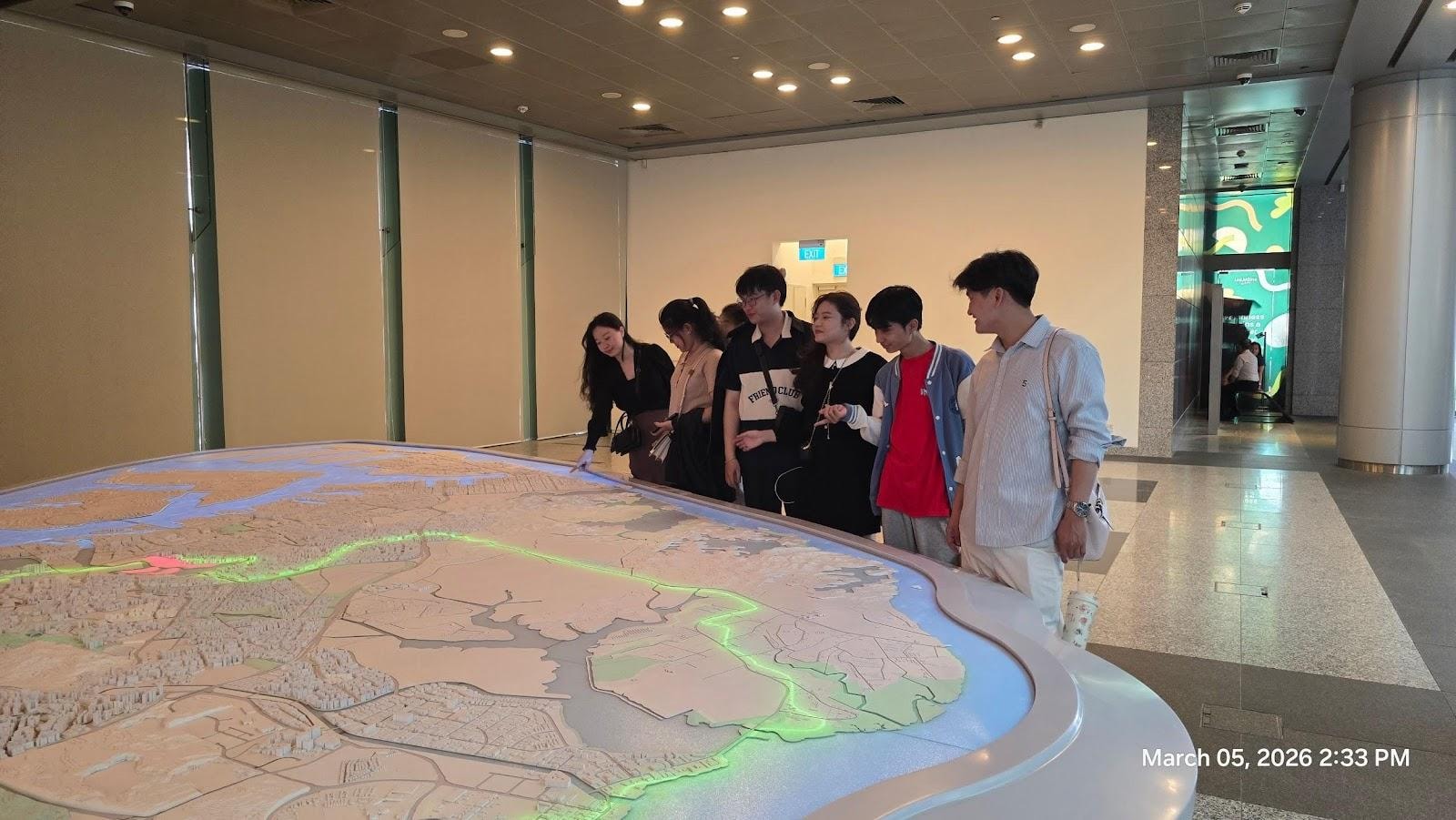
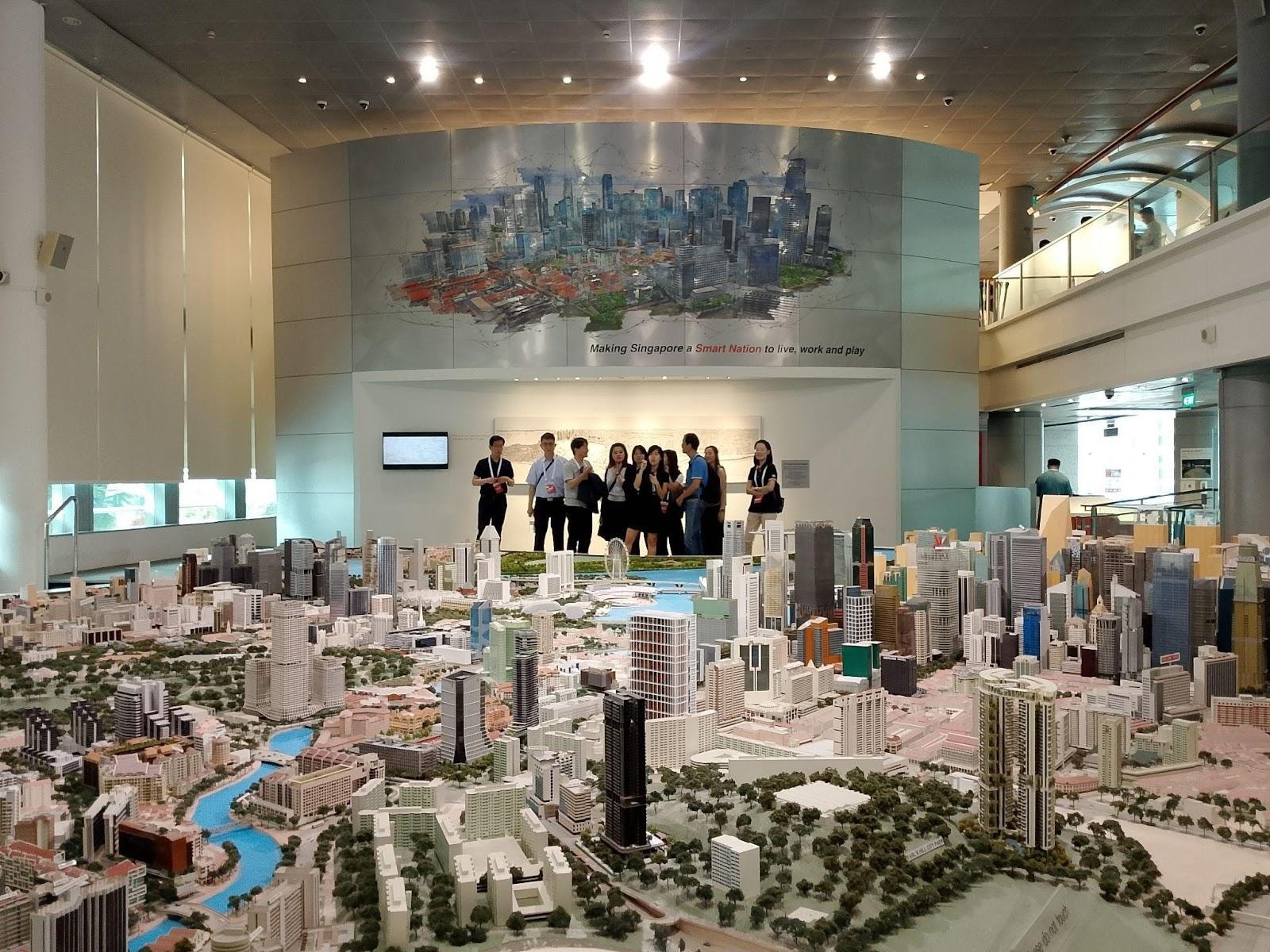
Visit to the Urban Redevelopment Authority (URA) – Singapore’s urban development authority
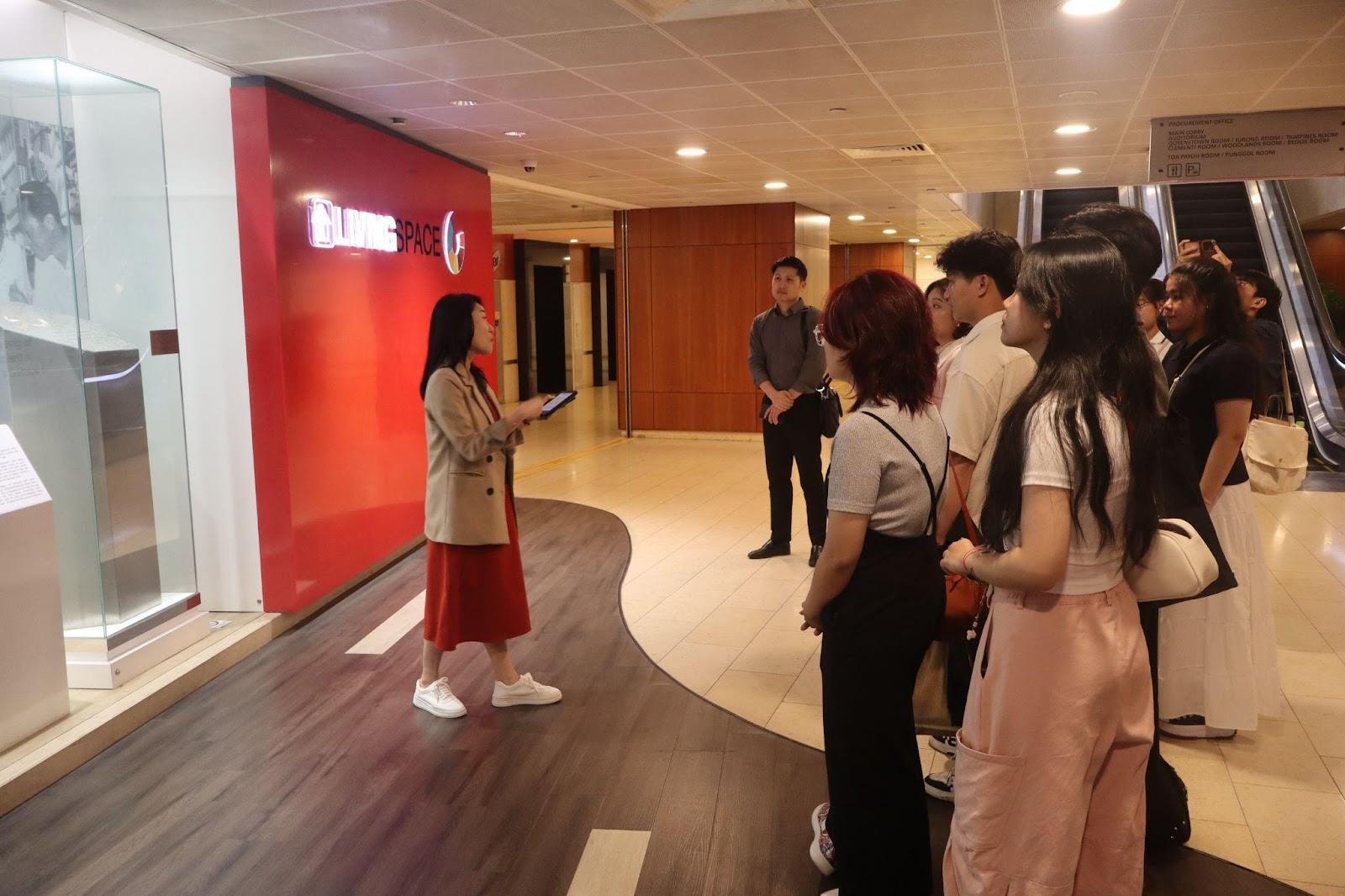
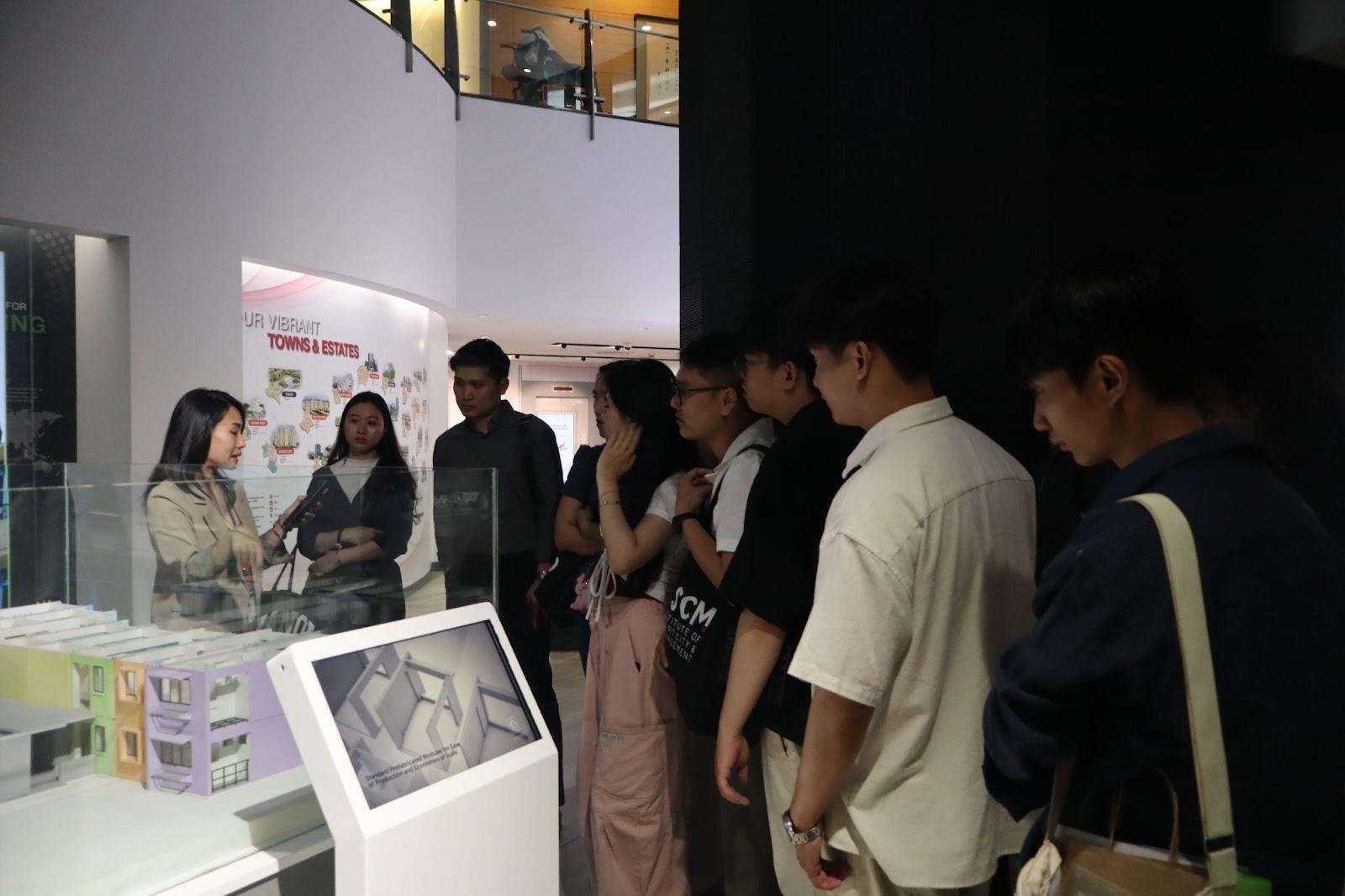
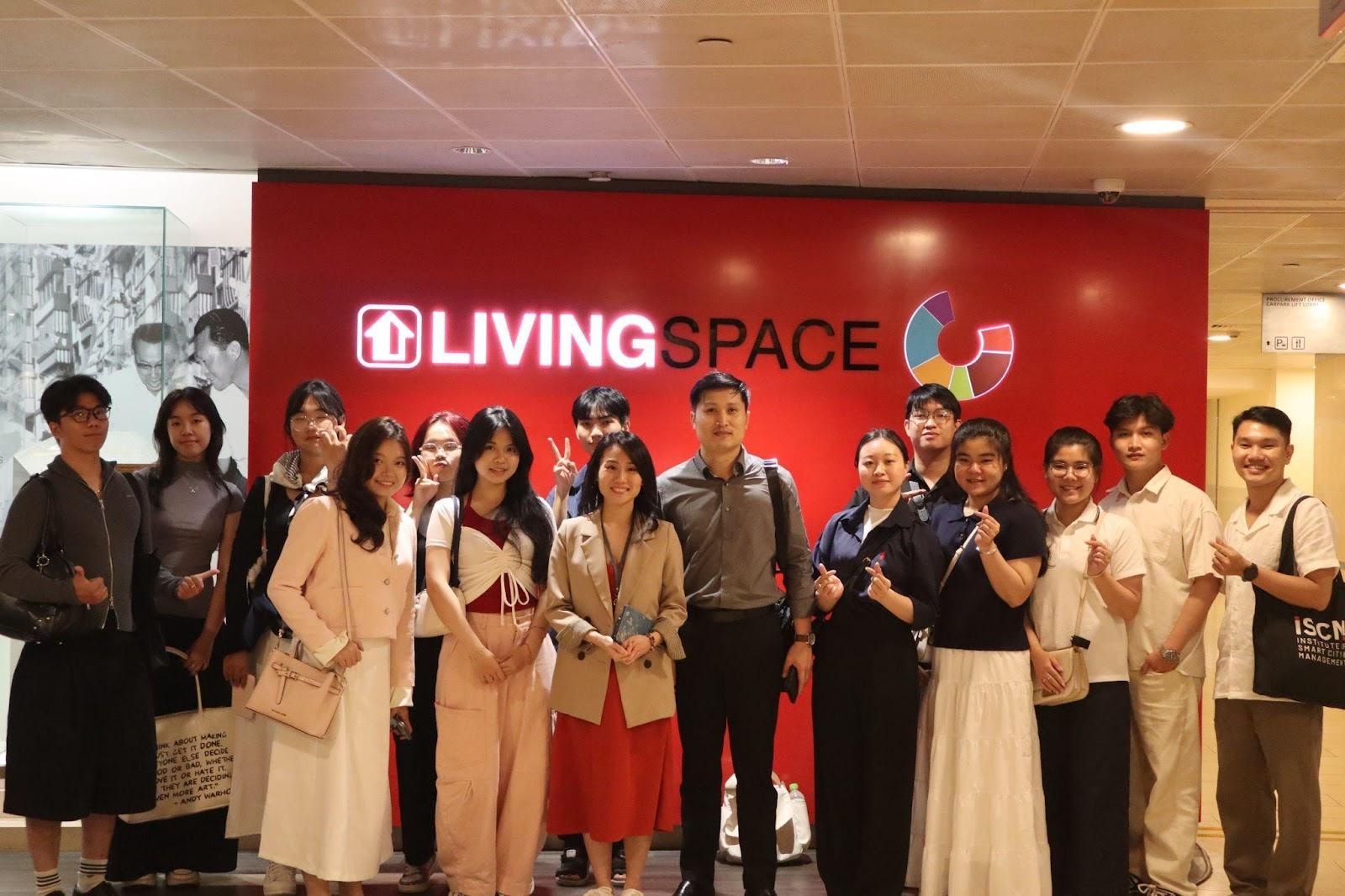
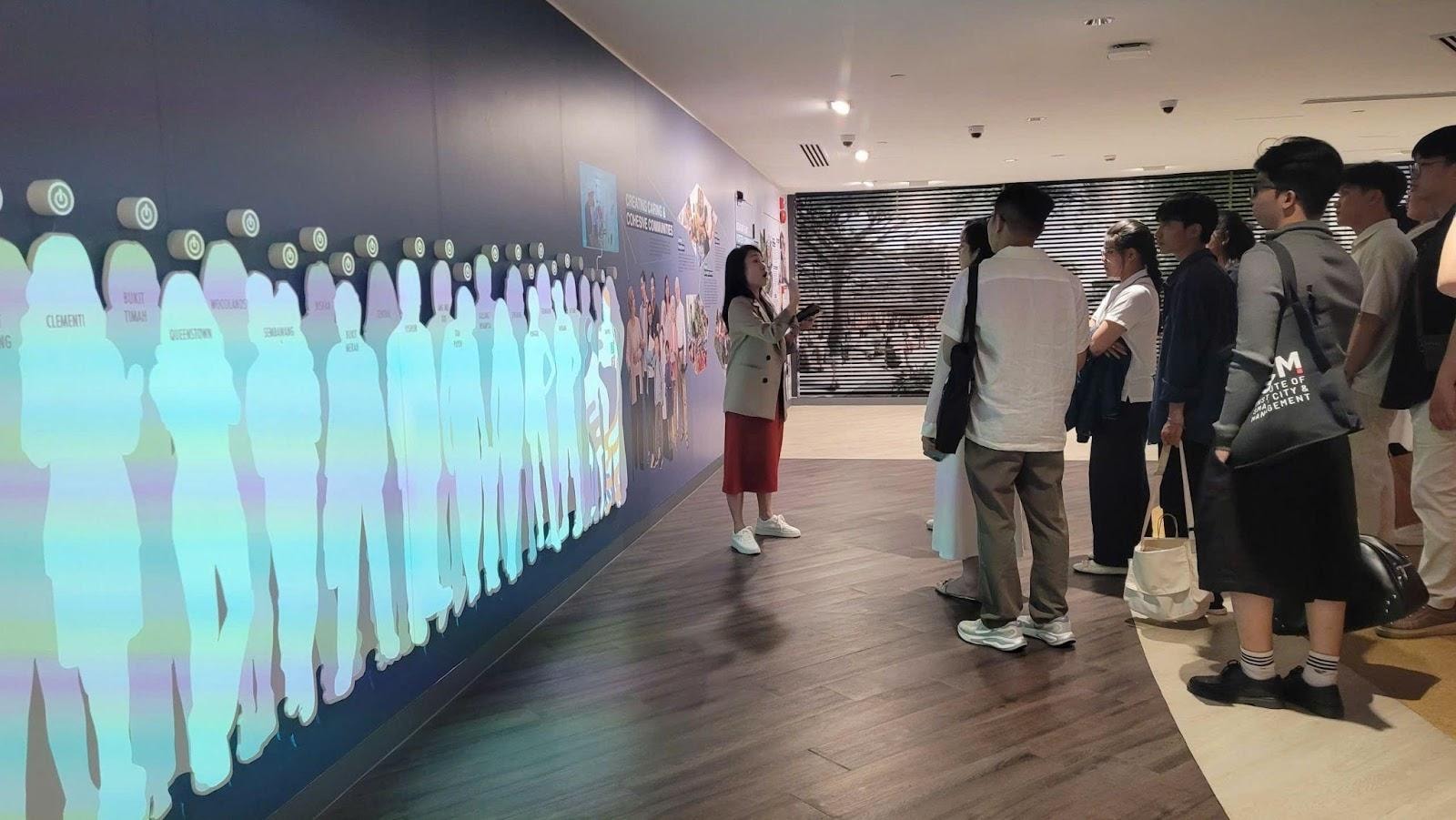
Visit to HDB Living Space Gallery
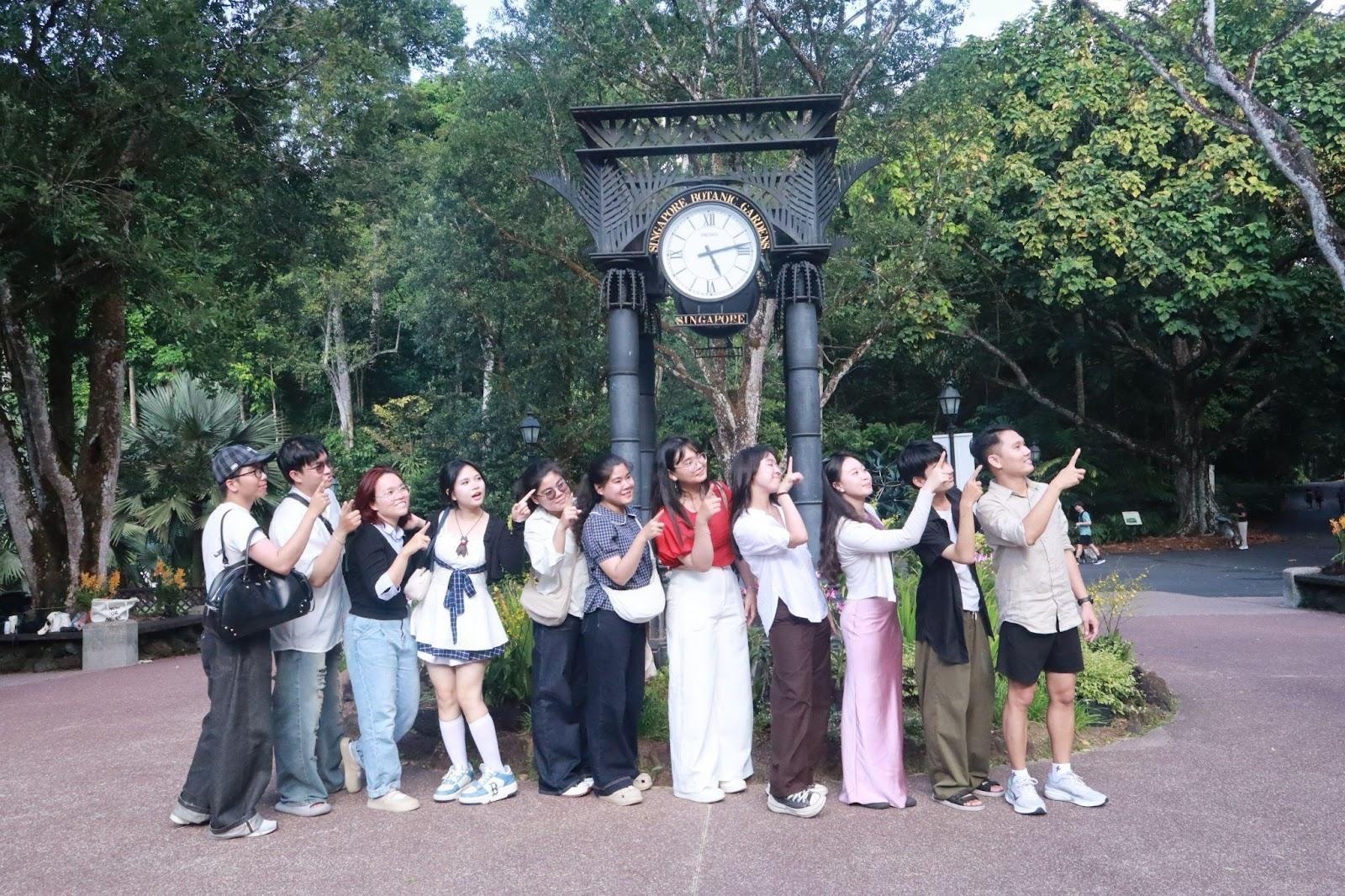
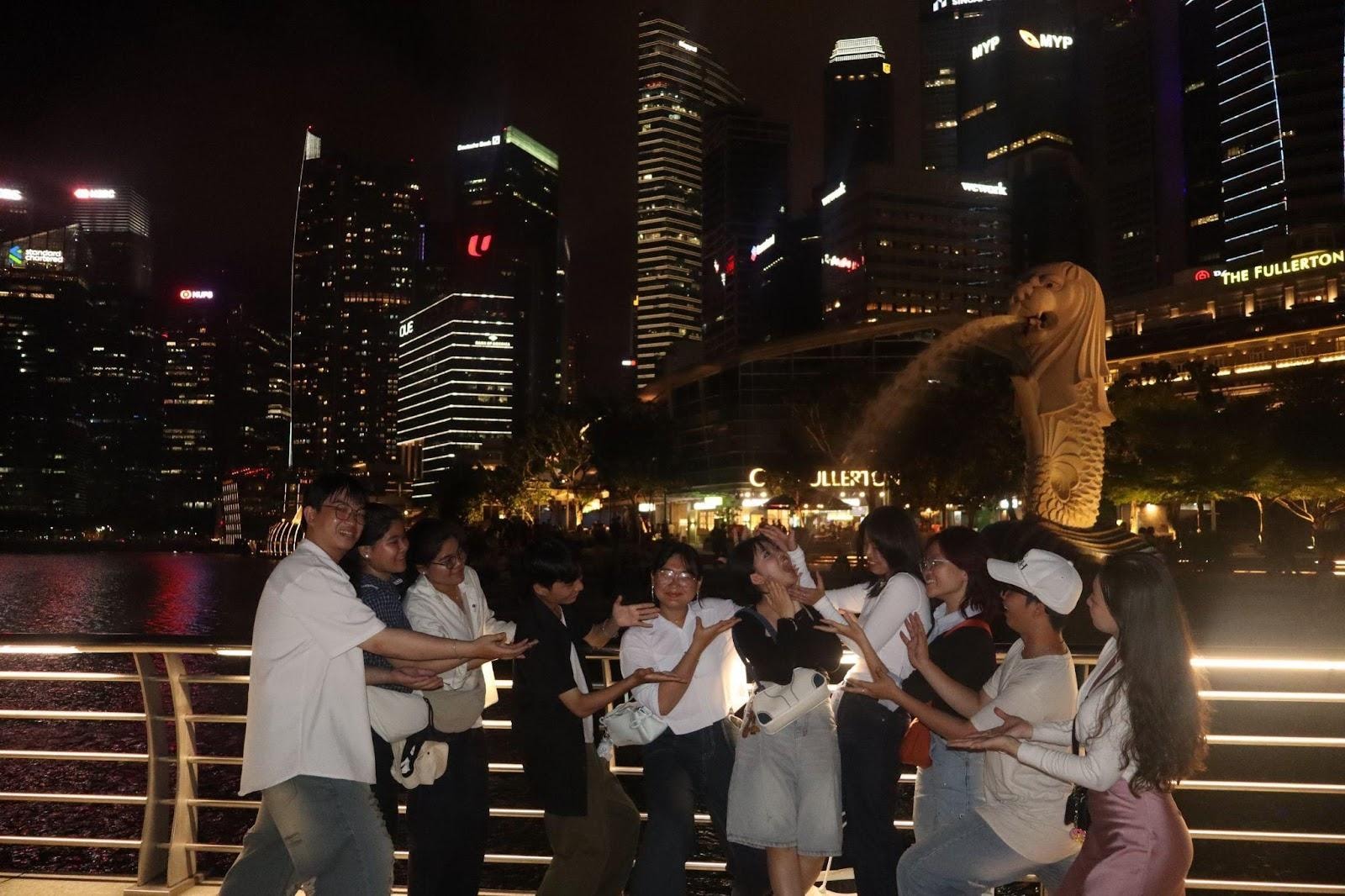
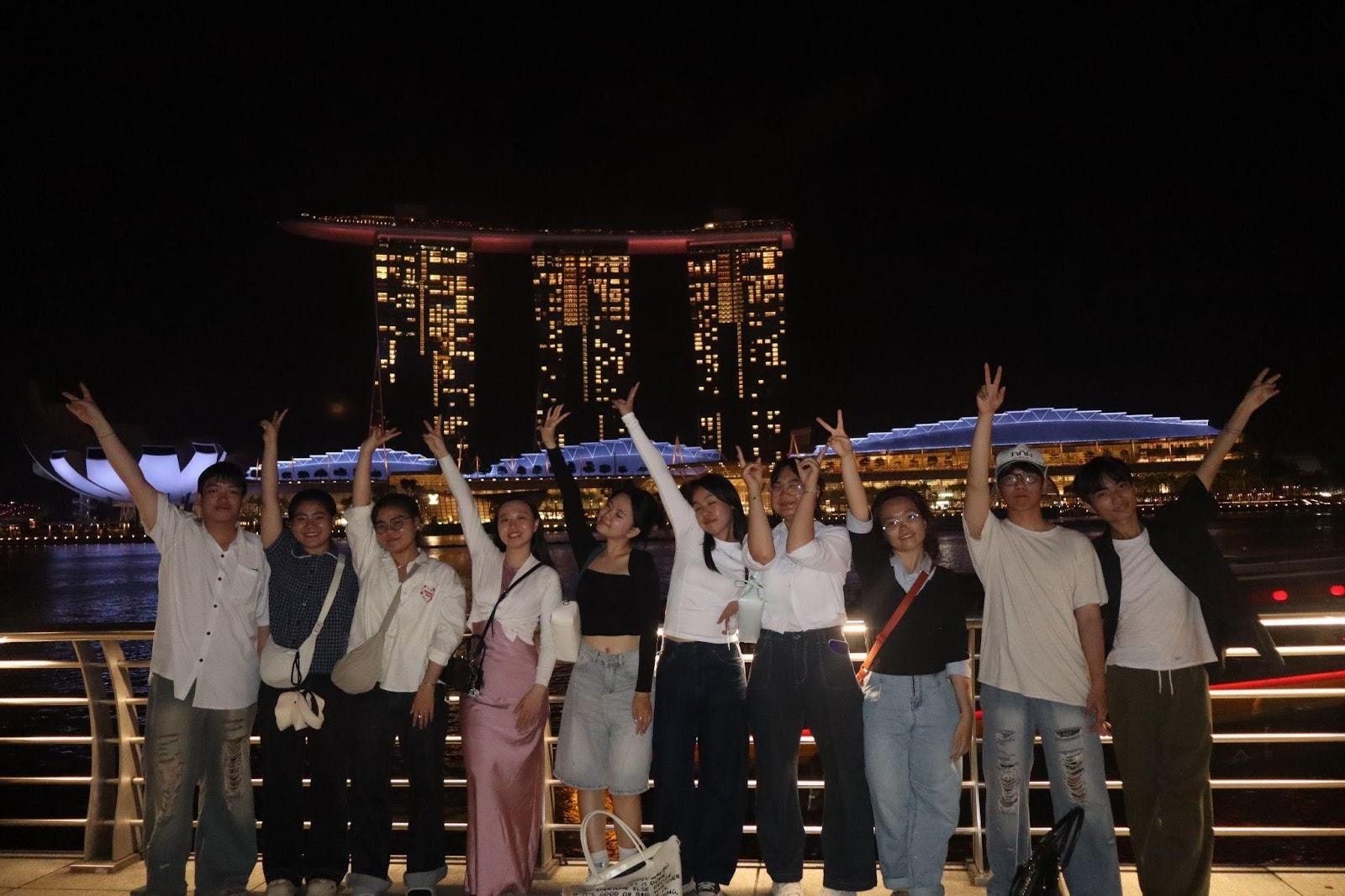
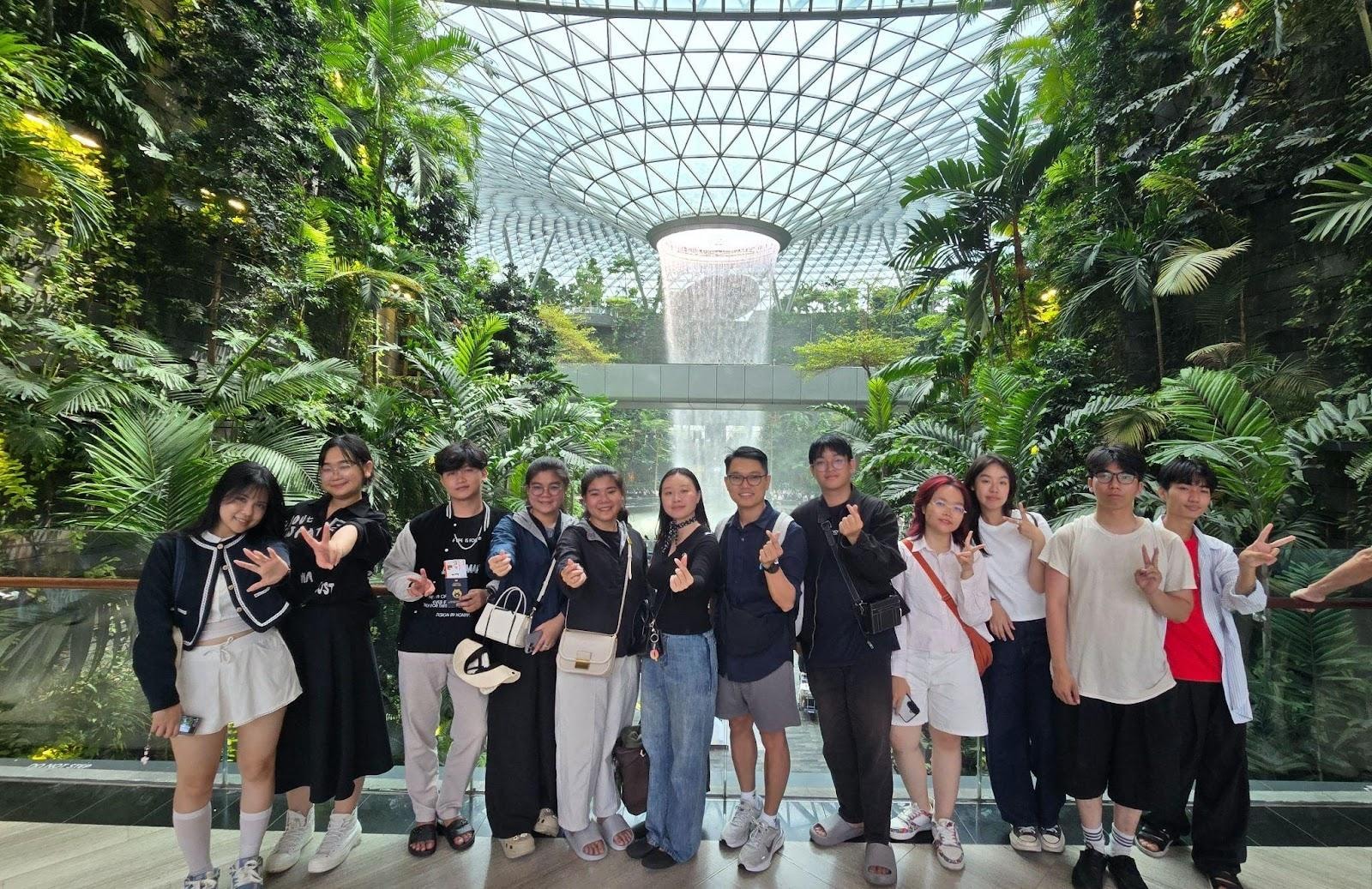
Experiences at Singapore Botanic Gardens and Marina One
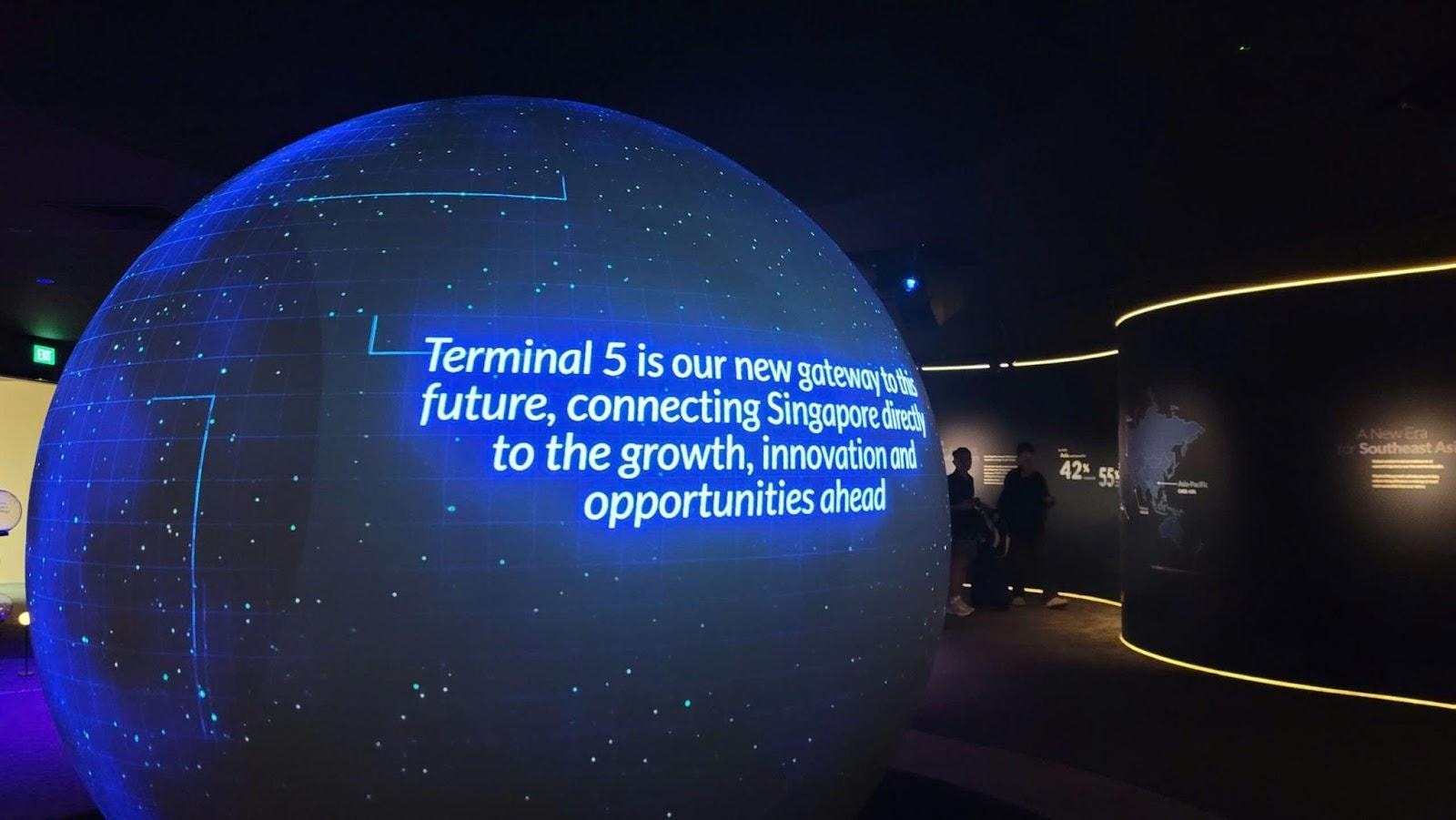
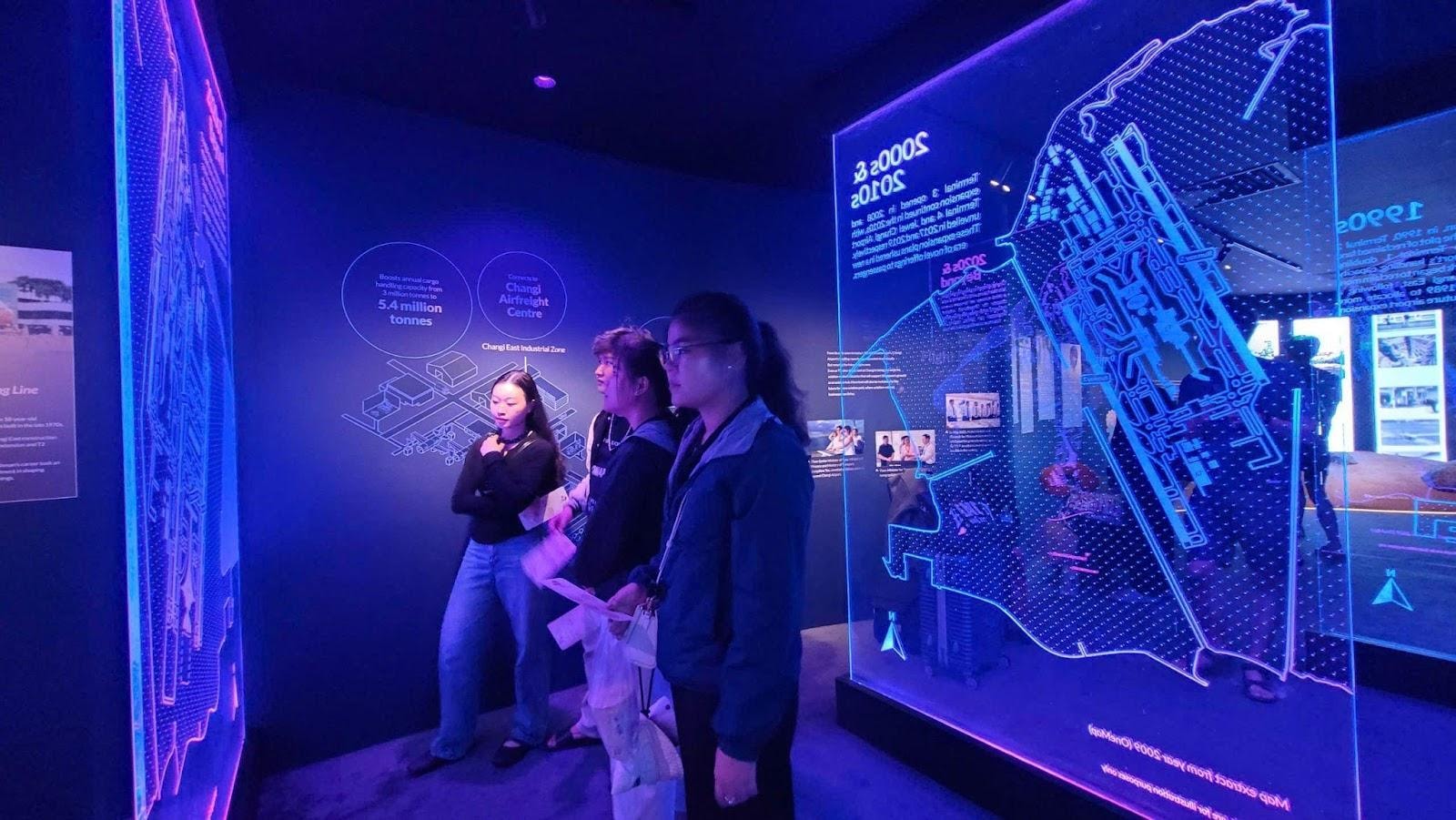
Exploration of the Terminal 5 exhibition
News and photos: Institute of Smart City and Management (ISCM) and participating students