
Strategic Vision for Smart Urban Logistics


Logistics as a necessary component in the integral part of the smart city ecosystem
On the morning of July 8, 2026, as part of the 2026 Logistics Training Series, Department of Industry and Trade of Ho Chi Minh City, in collaboration with Institute for Regional Development Research and Consulting from University of Economics Ho Chi Minh City (UEH), organized a professional training program entitled "Enhancing Quality in Smart Urban Supply Chain and Logistics Management."
Representing the Institute of Smart City and Management (ISCM), Assoc. Prof. Trinh Tu Anh, Director of ISCM, and Dr. Hoai Nguyen Pham, Program Director of the Bachelor of Smart Operations and Mobility Management (BMOM), delivered a training session on "Strategic Vision and Digital Supply Chains in Smart Cities." Rather than approaching logistics solely from the perspective of transportation or conventional supply chain management, the session positioned logistics within the broader context of the smart city ecosystem, where data, infrastructure, governance, and people work together to co-create value for society.
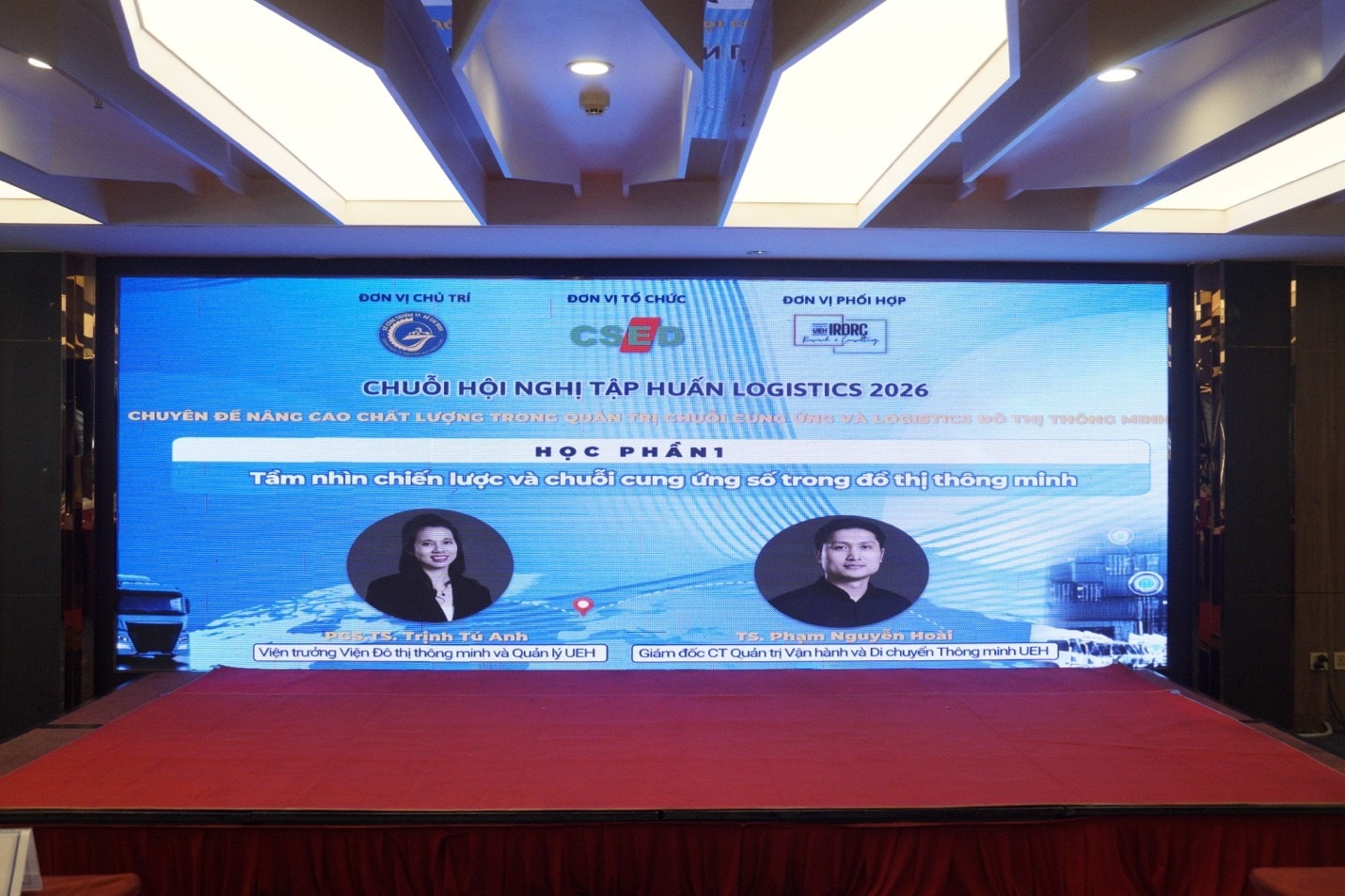
Figure 1. The session on "Strategic Vision and Digital Supply Chains in Smart Cities"
Smart cities do not start from technology, but urban problems
The session opened by examining the rapid pace of global urbanization, which has generated significant opportunities for economic growth, employment, and innovation while simultaneously creating a wide range of urban challenges, including traffic congestion, environmental pollution, resource depletion, unequal access to public services, and increasing pressure on urban infrastructure. These challenges have driven the emergence of various urban development paradigms, including green cities, eco-cities, sustainable cities, and ultimately smart cities.
The speakers emphasized that a smart city should not be viewed merely as a city equipped with advanced technologies. Rather, the central message throughout the session was that smartness lies not in devices or software, but in the ability to transform data into knowledge, support evidence-based decision-making, and enhance urban governance. Technology is therefore an enabling tool, while the ultimate objective remains sustainable development across the three dimensions of economic prosperity, social well-being, and environmental sustainability.
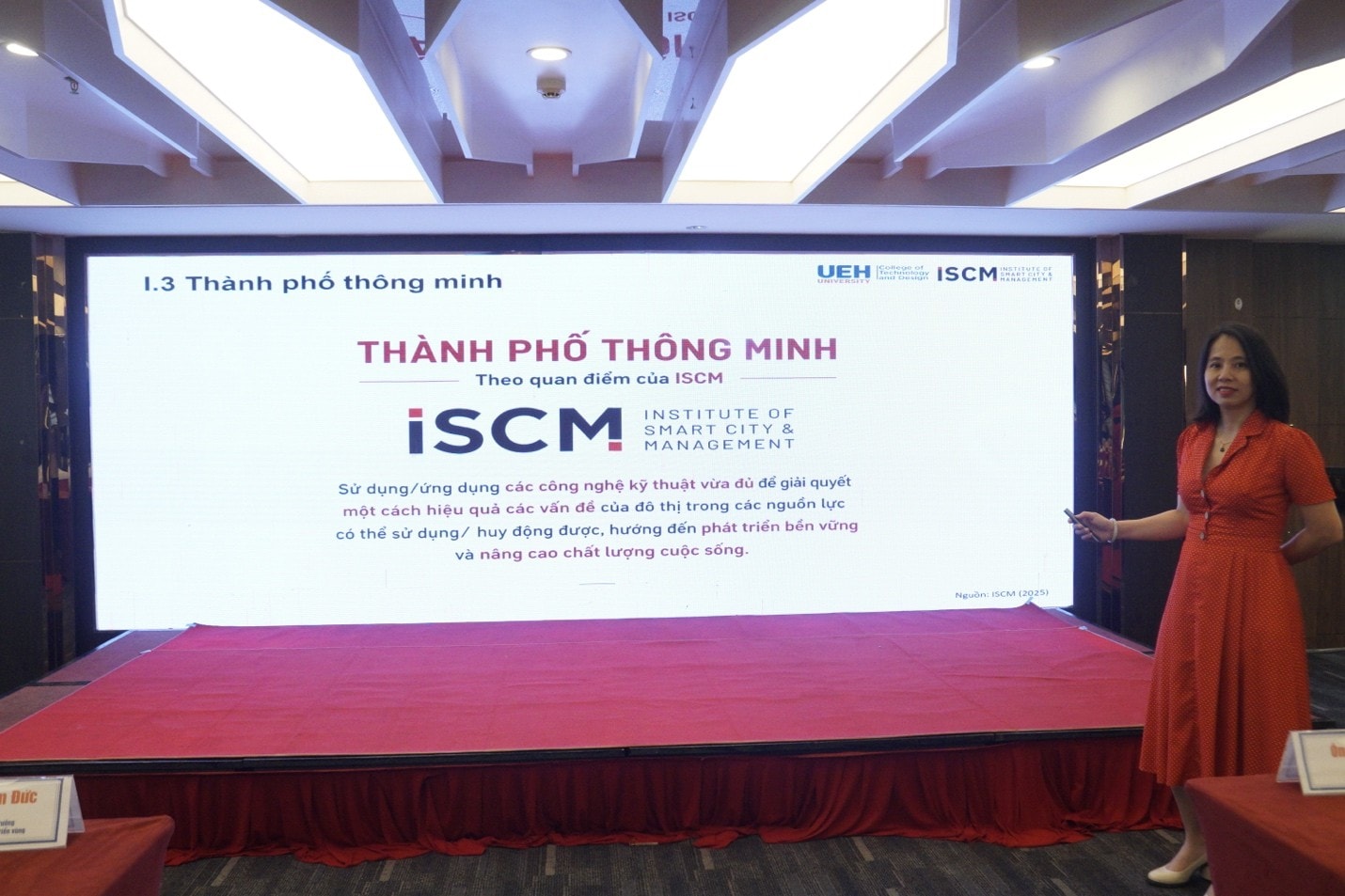
Figure 2. The Smart City Concept from the Perspective of the Institute of Smart City and Management (ISCM)
Smart mobility: from transportation to mobility thinking
One of the key highlights of the session was the distinction between transportation and mobility, particularly the concept of Smart Mobility. According to the speakers, whereas conventional transportation planning primarily focuses on infrastructure development and traffic management, Smart Mobility seeks to integrate infrastructure, transport modes, mobility services, data, and governance to deliver efficient, sustainable, and people-centered mobility solutions.
Within this ecosystem, logistics is no longer regarded as an isolated business activity but as an essential component of the smart mobility system, where freight flows are managed in coordination with passenger mobility, land-use planning, and transportation infrastructure. Optimizing logistics therefore contributes not only to reducing transportation costs but also to alleviating congestion, lowering carbon emissions, and improving the operational efficiency of the entire urban system.
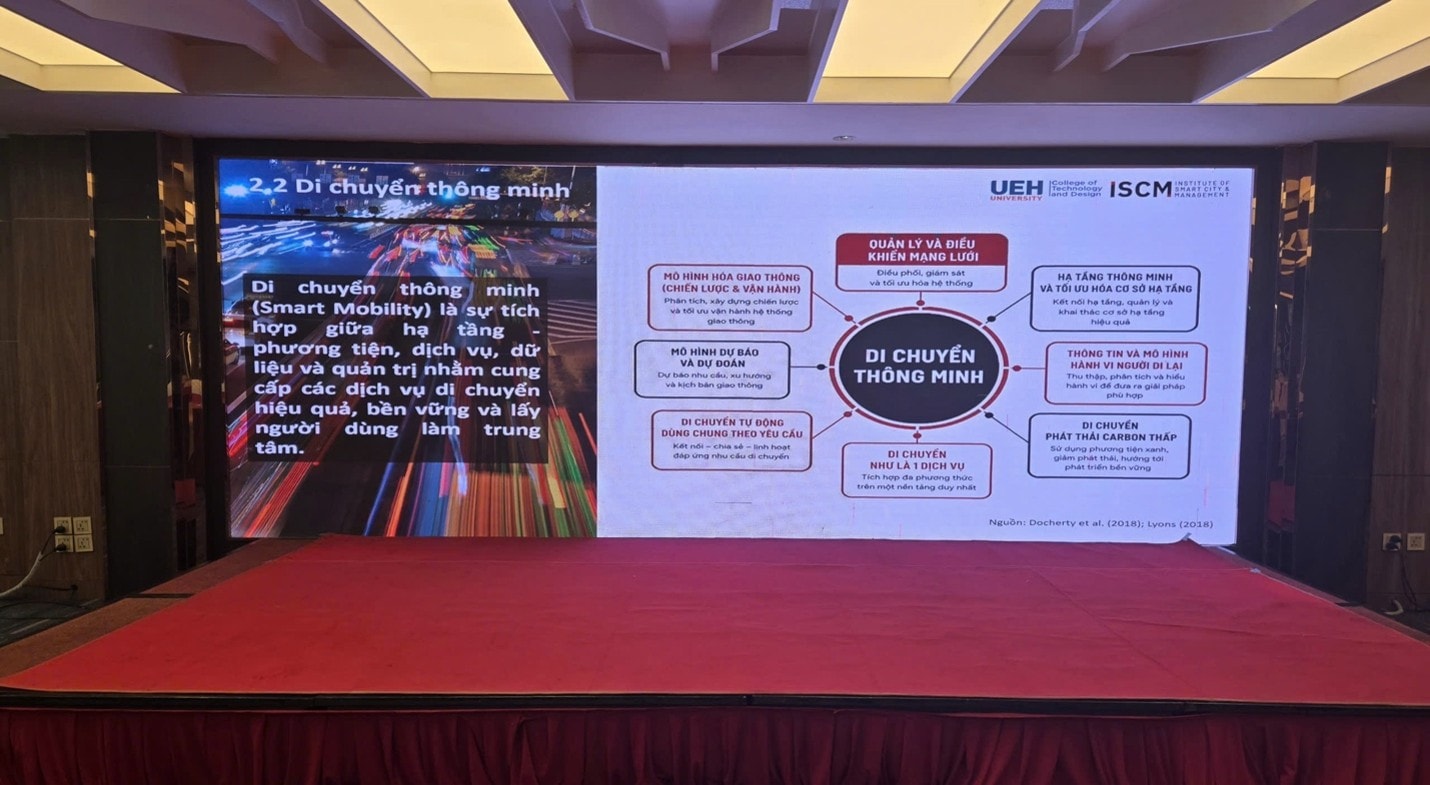
Figure 3. Components of the Smart Mobility Ecosystem
Smart urban logistics is an ecosystem challenge, not merely a technology challenge
Another important perspective presented during the session was that Smart Urban Logistics should not simply be understood as the application of technologies such as Artificial Intelligence (AI), the Internet of Things (IoT), or Blockchain in logistics operations. Instead, the speakers argued that Smart Urban Logistics fundamentally depends on the integration of physical infrastructure, digital infrastructure, freight flows, information flows, and the diverse stakeholders within the urban ecosystem.
Technology can only create meaningful value when these components are effectively connected and coordinated. In other words, a city cannot become truly smart if government agencies, logistics service providers, technology companies, and local communities continue to operate independently, each maintaining separate data systems without effective mechanisms for collaboration. Ecosystem thinking, rather than technology adoption alone, forms the foundation of Smart Urban Logistics.
Digital transformation is fundamentally a transformation of governance
The final part of the session focused on digital transformation in urban logistics, addressing several common misconceptions surrounding this topic. The speakers emphasized that digital transformation should not be equated with technology investment. AI, Big Data, IoT, and Digital Twin technologies are merely enabling tools.
The real determinant of successful digital transformation is the modernization of governance models. In this process, government authorities play a critical role in creating enabling institutions—through mechanisms such as regulatory sandboxes—coordinating the ecosystem, and promoting cross-sectoral data sharing among public agencies, businesses, and communities.
Two international case studies illustrated this perspective. The Cityporto initiative in Padua, Italy, demonstrated how coordinated urban consolidation centers, shared logistics infrastructure, and digital platforms can significantly reduce freight vehicle trips into city centers. Meanwhile, the Melbourne (Australia) case highlighted that inefficiencies in empty container logistics were not caused by a lack of vehicles or advanced technologies, but rather by fragmented governance and insufficient data sharing among stakeholders. These examples reinforce the notion that technology generates real value only when accompanied by institutional and governance innovation.
From knowledge sharing to human resource development for smart mobility
The topics presented during the session not only reflected the research orientation of the Institute of Smart City and Management (ISCM) but also embodied the Institute's educational philosophy of developing future-ready professionals for smart cities.
Subjects such as Smart Mobility, Smart Urban Logistics, urban data, digital transformation, ecosystem governance, and sustainable development constitute core components of the Bachelor of Smart Mobility and Operations Management (BMOM) program. Designed as an interdisciplinary degree, BMOM integrates knowledge from intelligent transportation systems, logistics, urban governance, big data analytics, Artificial Intelligence (AI), the Internet of Things (IoT), Geographic Information Systems (GIS), and digital transformation to prepare graduates capable of addressing complex challenges facing modern cities.
Through project-based and experiential learning, the program equips students not only with professional knowledge but also with opportunities to collaborate on real-world projects involving local governments, industry partners, and communities. This educational approach reflects the central message of the session: smart cities are not created by technology alone, but through the co-creation of value among governments, businesses, academia, and citizens.
A new perspective on smart urban logistics
The session concluded by providing participants with not only an update on emerging trends in logistics and digital supply chains but, more importantly, a new governance perspective. The key takeaway was that logistics becomes truly smart only when it is embedded within the broader smart city ecosystem, and digital transformation creates lasting value only when accompanied by governance innovation, data sharing, and effective collaboration among stakeholders. These principles provide a solid foundation for supporting Ho Chi Minh City's vision of becoming a smart, green, and sustainable city.