
UBU 2026: Concluding a Journey of Experiential Learning, Opening New Pathways for Co-Created Value


On July 24, 2026, the International Summer Camp “Urban Beyond the Urban” (UBU) 2026 concluded with student presentations of proposed solutions, a program review, and a certificate presentation ceremony. These activities marked the final stage of a multi-day journey of field research, community engagement, academic exchange, and interdisciplinary collaboration in Van Thang Agarwood Village.
Under the theme “Co-Creating Place Identity: From Local Heritage to Sustainable Futures,” UBU 2026 provided a platform connecting universities, experts, students, and the local community. Through this collaborative environment, students engaged directly with real-world local challenges and, under the guidance of Vietnamese and international lecturers, applied their disciplinary knowledge to develop solutions aimed at preserving local identity, enhancing visitor experiences, and unlocking the value of the traditional craft village.
Connecting International Knowledge with the Local Community
UBU 2026 brought together students from Vietnamese and universities, including the University of Economics Ho Chi Minh City (UEH), National University of Singapore (NUS), Handong Global University (HGU, South Korea), Hanoi Architectural University (HAU), and Ho Chi Minh City University of Technology and Education (HCMUTE).
Throughout the summer camp, students conducted field surveys of Van Thang Agarwood Village, met and discussed with local residents, and explored its traditional craft, indigenous knowledge, community life, and local development needs. The information and experiences gathered in the field provided a foundation for the teams to identify key issues and develop appropriate solutions.
The diversity of nationalities, educational backgrounds, and areas of expertise enabled students to approach Van Thang from multiple perspectives. By jointly conducting fieldwork, exchanging viewpoints, and developing ideas, team members were able to draw on the strengths of their respective disciplines while strengthening their capacity to work in interdisciplinary and intercultural environments.
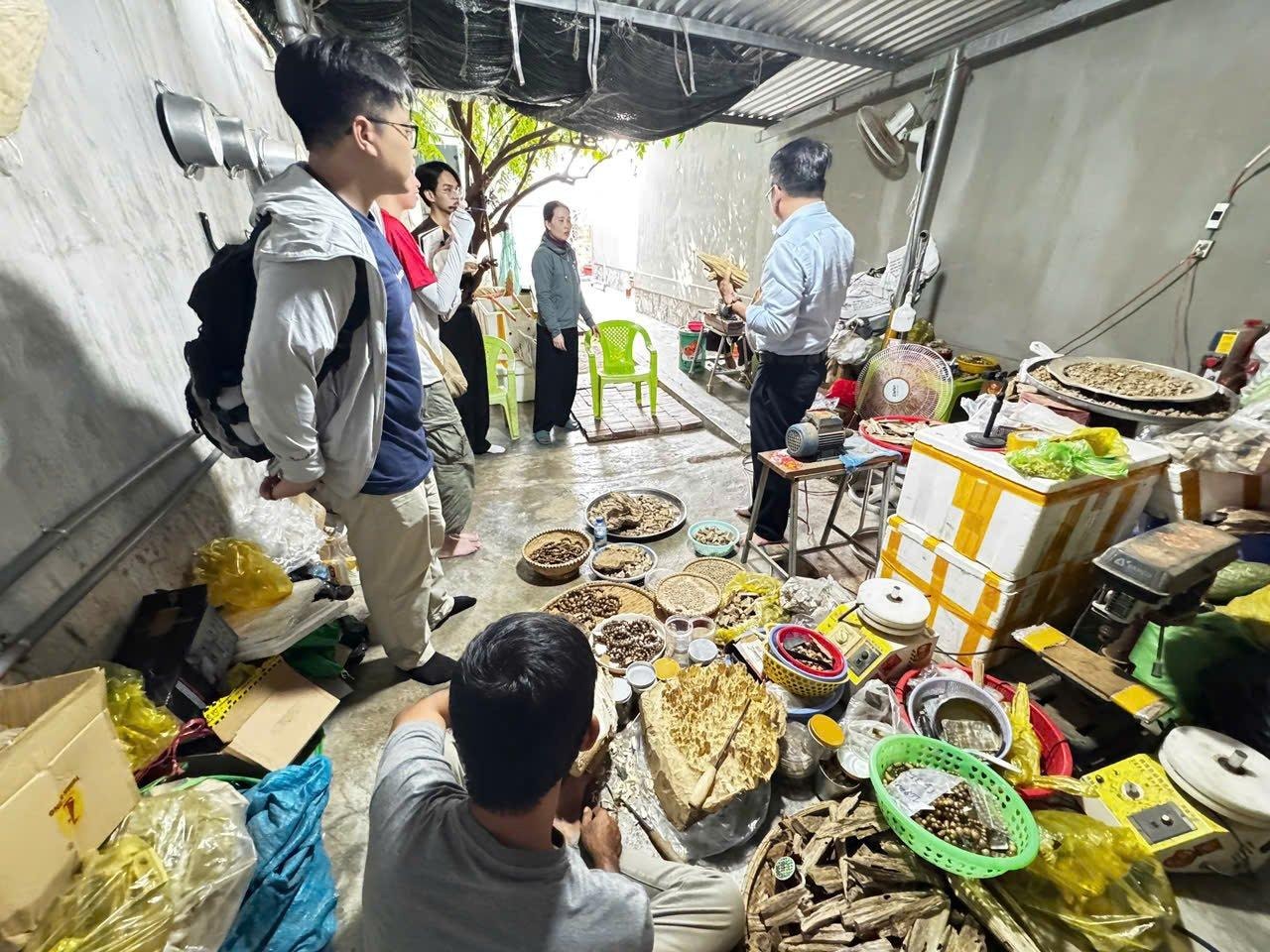
Students conducting field research, learning about the agarwood-making craft and community life in Van Thang Agarwood Village.
From Field Visit to Co-Created Solutions for Strengthening the Identity of Van Thang Agarwood Village
During the presentation session on July 24, the student teams presented the outcomes they had developed throughout the program. Their proposals focused on three main areas: spatial organization, stronger place identity and visibility, and the design of distinctive products that reflect qualities unique to Van Thang and set it apart from other agarwood villages.
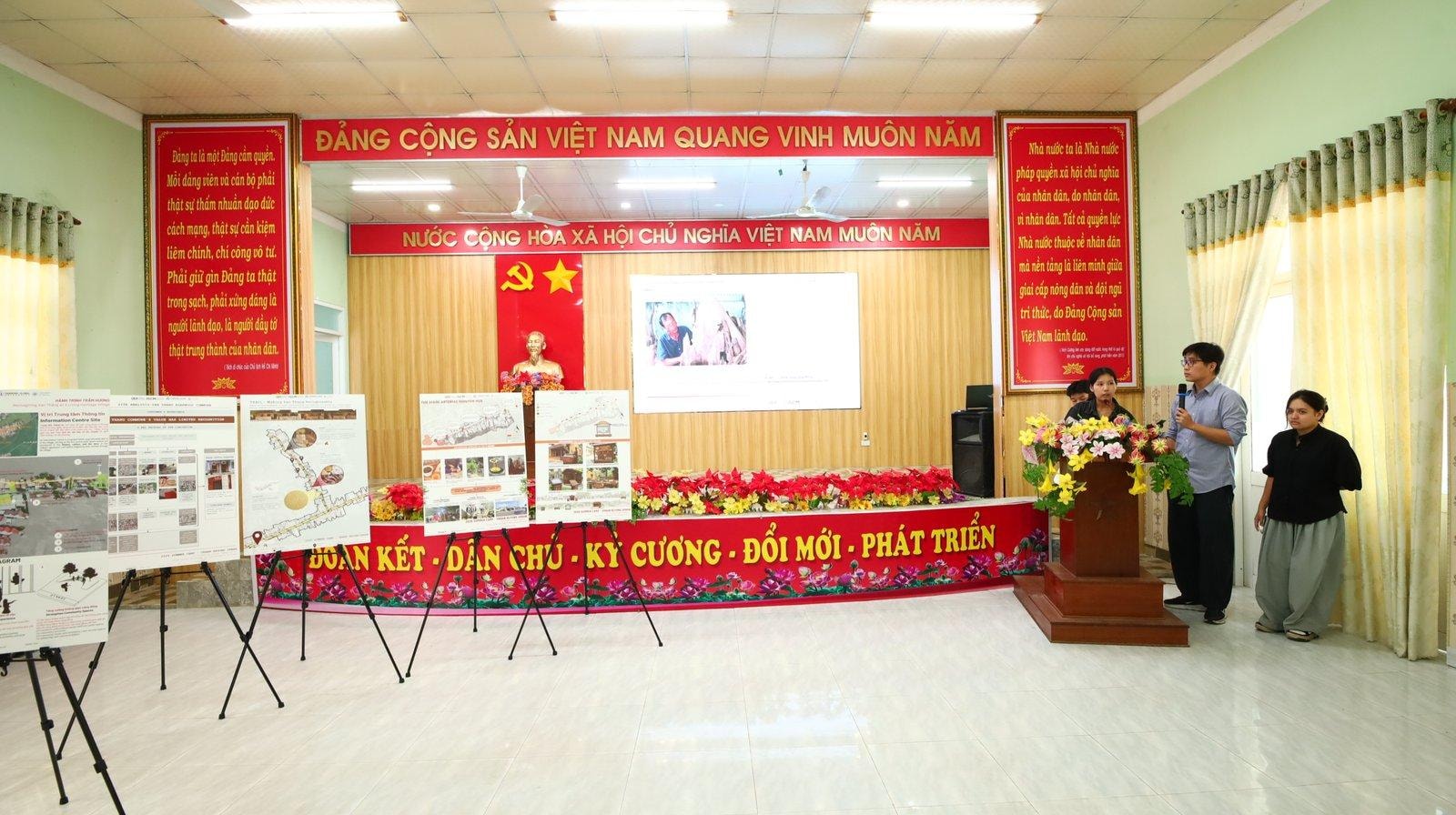
Student teams presenting their solutions on the program's concluding day.
The solutions were shaped not only by the students’ professional and disciplinary perspectives but also through a co-creation model. The process of identifying challenges and developing ideas brought together students, professors, and members of the local community. Field observations, residents’ stories, indigenous knowledge, and expert feedback were synthesized, evaluated, and transformed into proposals that responded more closely to the specific context of Van Thang. Within this model, the community was not merely the subject of research or the beneficiary of its outcomes, but an active participant in shaping the solutions. Listening to residents’ experiences, needs, and aspirations allowed the teams to better understand the values that should be preserved, the issues requiring priority, and the practical feasibility of implementing their proposals.
Regarding spatial planning, the teams analyzed existing conditions and proposed ways to arrange and connect key locations to highlight the relationships among the village’s physical environment, production activities, community life, and agarwood craft. The solutions sought to create a seamless experience for residents and visitors while respecting the village’s existing spatial structure, ways of life, and cultural values.
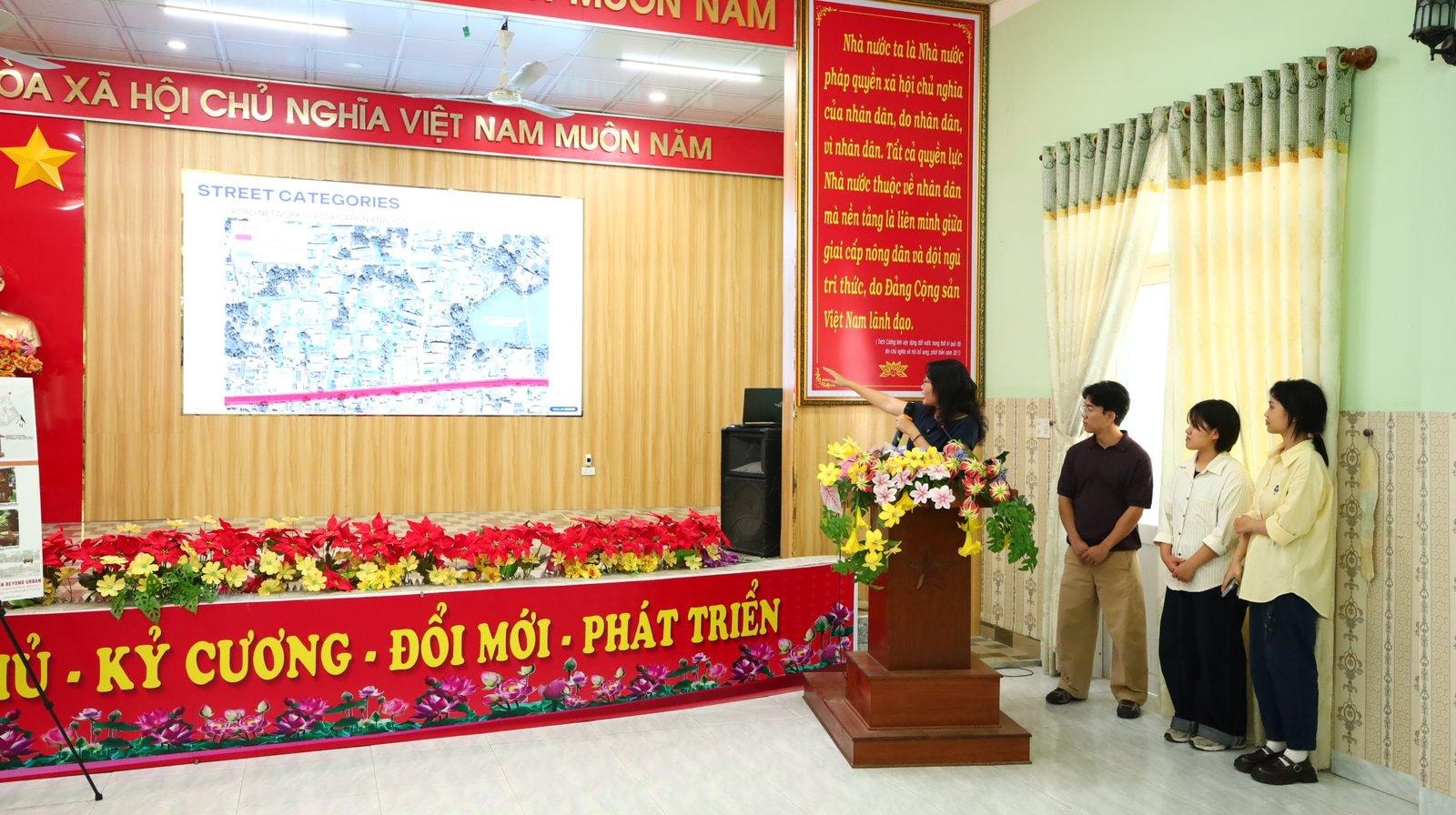
Student team presenting a solution for spatial organization and visitor route design for Van Thang Agarwood Village.
Following each presentation, participating professors, and students raised questions and offered feedback on the relevance of the proposals and their potential for further development. The discussion formed an integral part of the co-creation process, allowing the teams to examine their ideas from different perspectives—particularly the connections among spatial organization, place identity, visitor experience, and community participation.
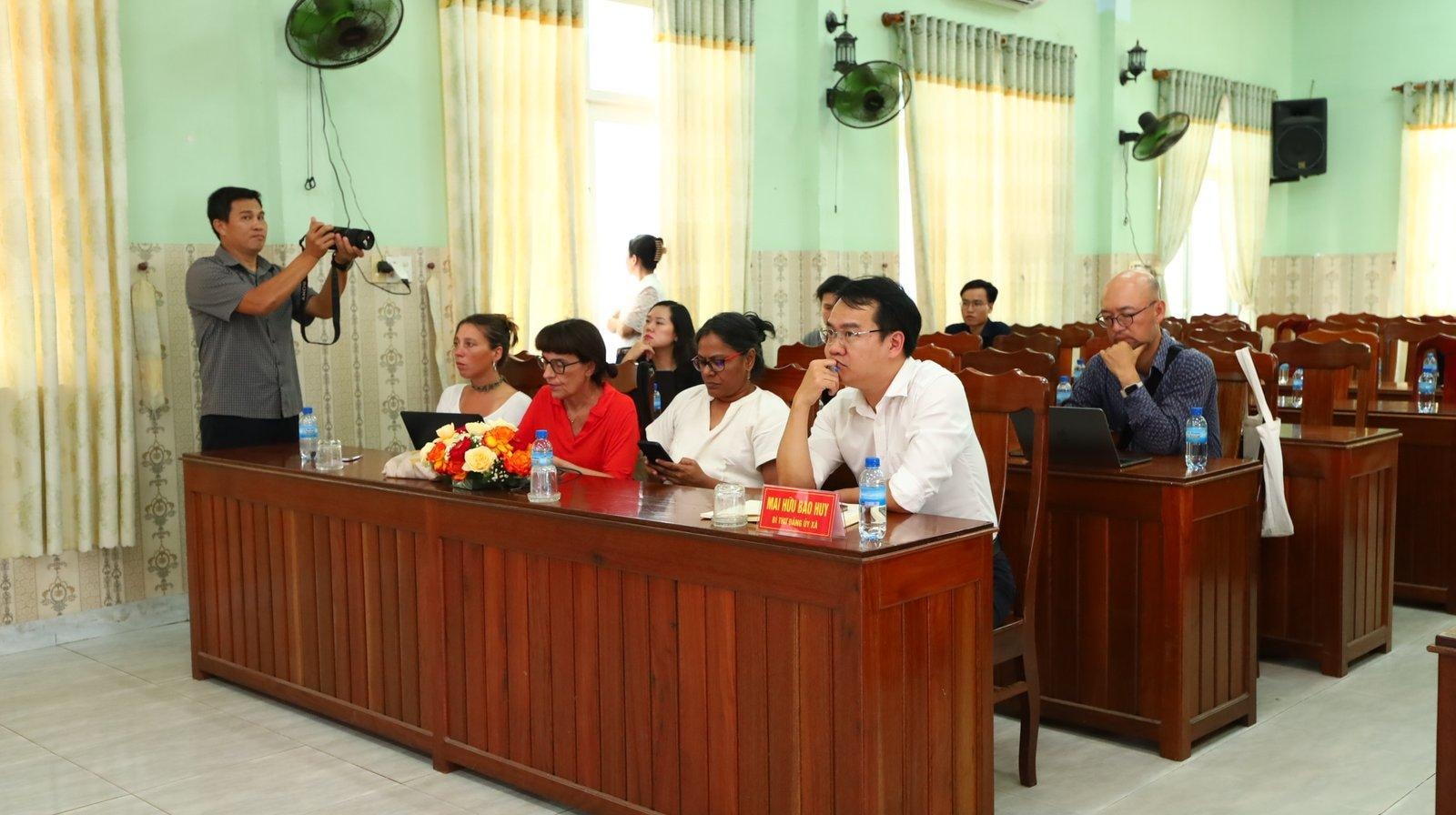
Professors and experts listening, discussing, and giving feedback to help the teams refine their solutions.
Recognizing the Students’ Journey of Learning and Co-Creation
As part of the closing session, the Organizing Committee presented certificates to the students who completed UBU 2026. The certificates recognized their commitment to learning, sense of responsibility, and contributions throughout the fieldwork, teamwork, and solution-development process.
Three awards were also presented to recognize the outstanding achievements of the student teams: Best Graphic Design, honoring excellence in visual communication and the effective presentation of local identity; Best Presentation, recognizing clarity, confidence, and persuasiveness in communicating the proposed solution; and Best Idea, celebrating the most creative, context-responsive, and promising proposal developed during the program.
The certificate and award presentation ceremony marked not only the completion of the students’ UBU 2026 journey but also celebrated the knowledge, experiences, and skills they had gained through practice-based learning. Through direct engagement with the local community, students strengthened their observation, critical-thinking, communication, and collaborative problem-solving skills while working in interdisciplinary and intercultural teams.
The support of professors, lecturers, local representatives, and partner organizations helped create an open learning environment in which students could exchange perspectives, test their ideas, and incorporate professional feedback to refine their proposals.
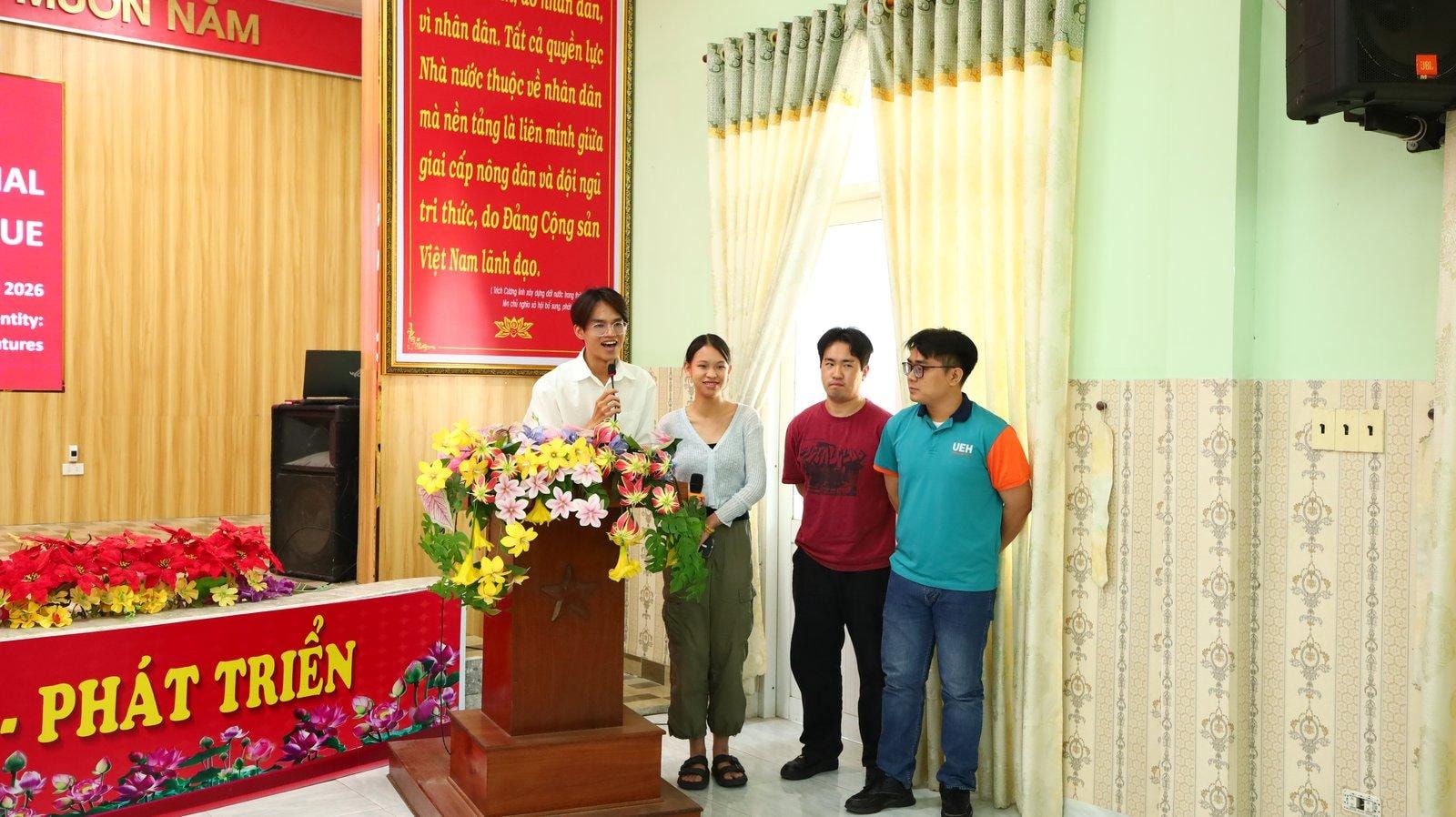
Student teams presenting their co-created ideas to the panel of experts and local representatives.
Program Reflections
In her closing remarks, Professor Elena Marchigiani, representing the professors participating in UBU 2026, commended the student teams for their dedication, collaborative spirit, and creativity. She noted that the program had transformed Van Thang into a Living Lab—a real-world environment where universities, experts, students, local authorities, and the community could jointly observe local realities, exchange knowledge, and co-create solutions.
The proposals relating to spatial organization, place identity, and visitor wayfinding demonstrated a combination of interdisciplinary thinking, innovation, and a deep understanding of the identity of the agarwood village. This process required students not only to observe the physical environment but also to listen to the community, understand local life, and respect the values that have developed over generations.
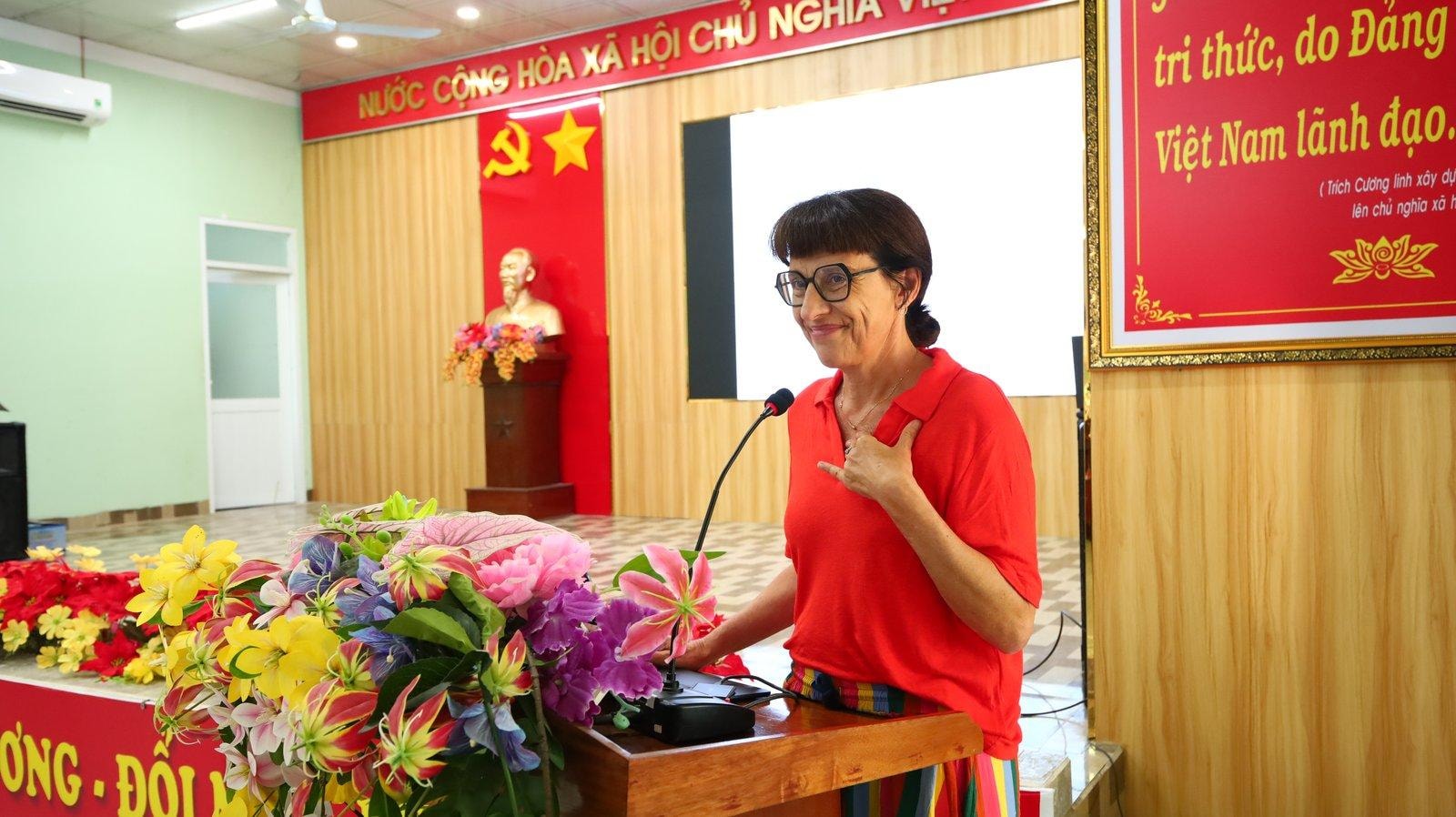
Professor Elena Marchigiani delivering closing remarks, commending the student teams' dedication and creativity.
According to Mr. Mai Huu Bao Huy, Secretary of the Commune Party Committee, and Mr. Nguyen Ngoc Y, Chairman of the Commune People’s Committee, the local authority will continue to review the proposals, assess their feasibility, and select suitable solutions for gradual testing, refinement, and practical implementation. This will provide a foundation for Van Thang to strengthen collaboration among local government, universities, businesses, and the community, thereby preserving its heritage values, enhancing visitor experiences, and advancing community-centered sustainable development.
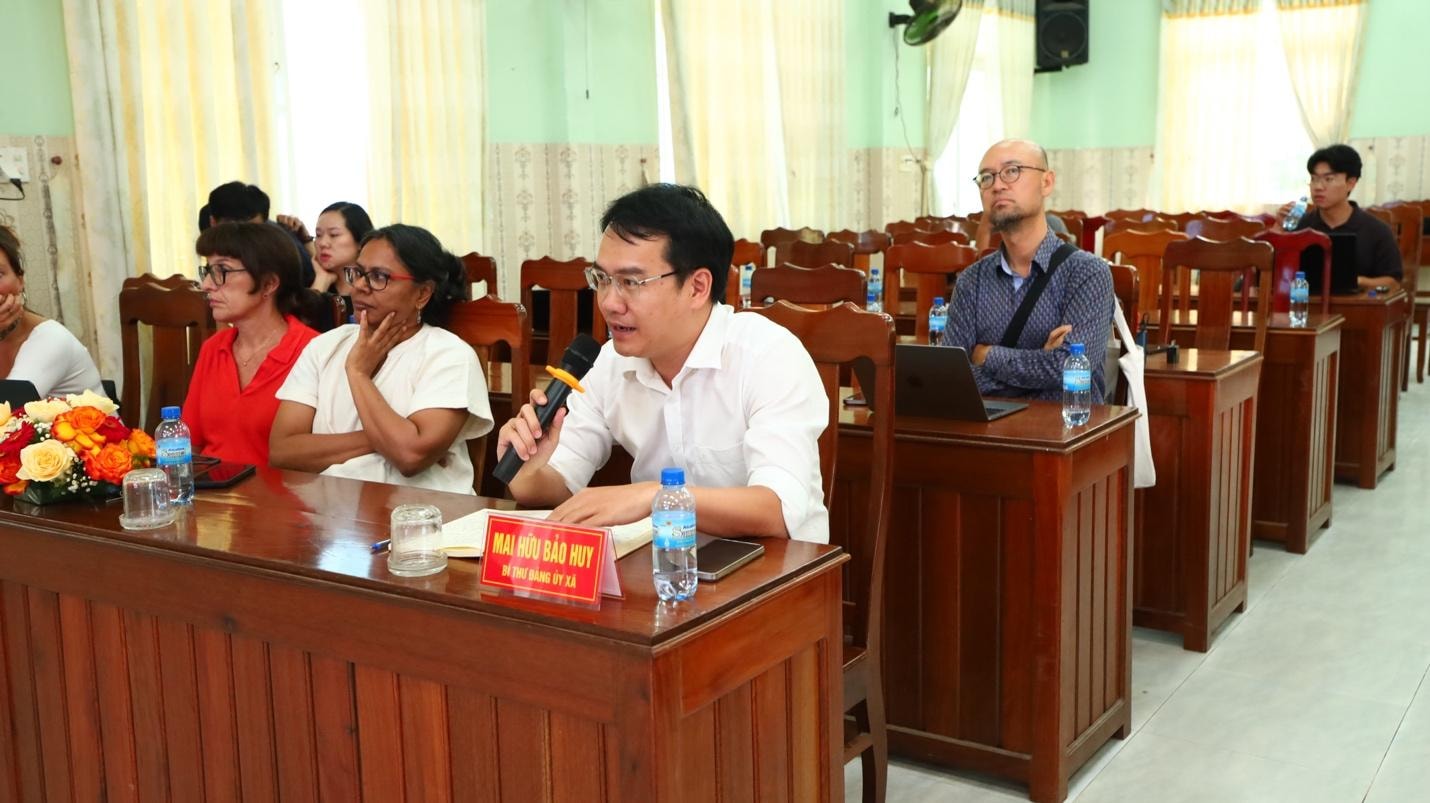
Mr. Mai Huu Bao Huy, Secretary of the Commune Party Committee, sharing his perspective on adopting and implementing the proposed solutions in practice.
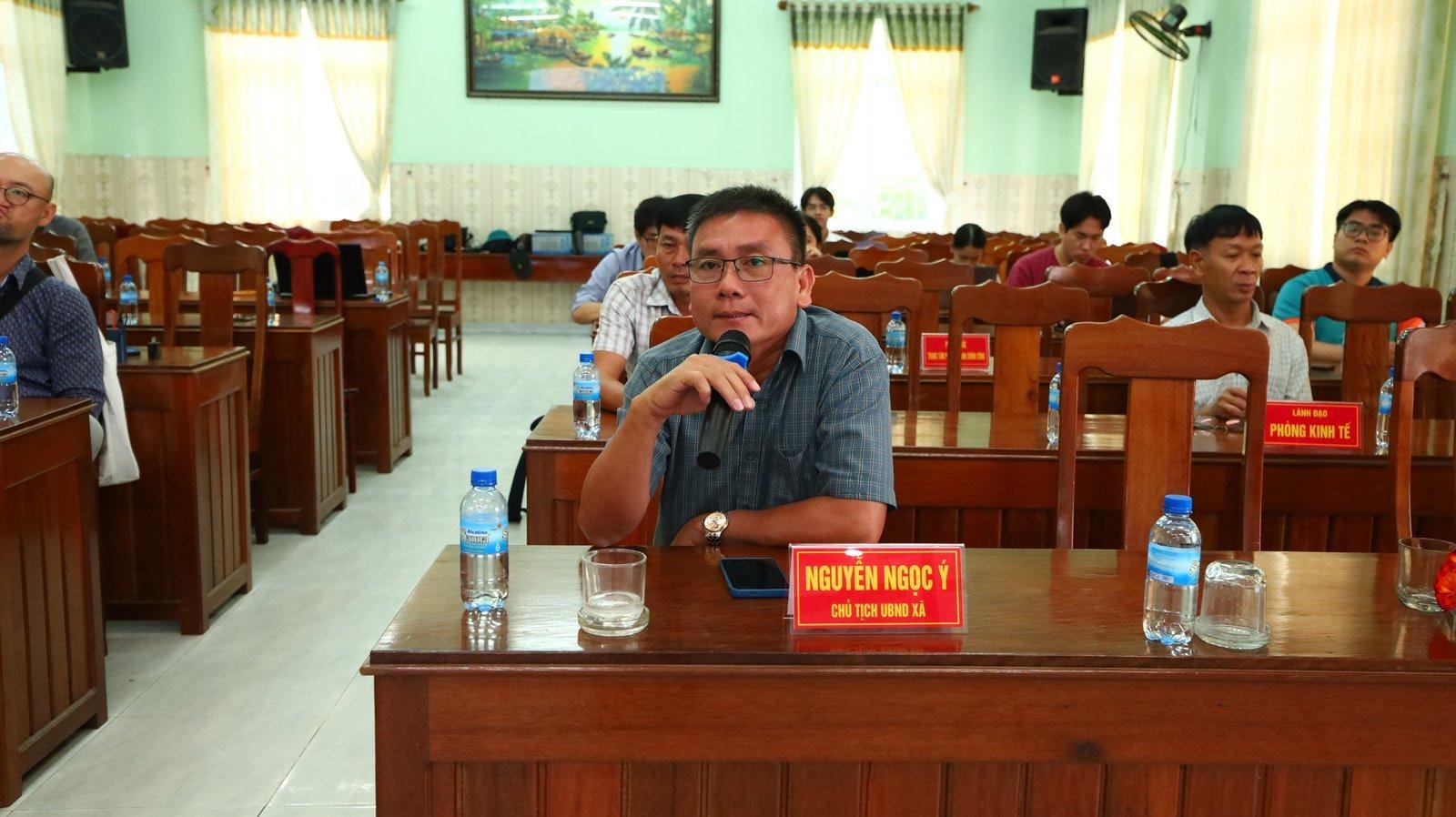
Mr. Nguyen Ngoc Y, Chairman of the Commune People's Committee, sharing his perspective on adopting and implementing the proposed solutions in practice.
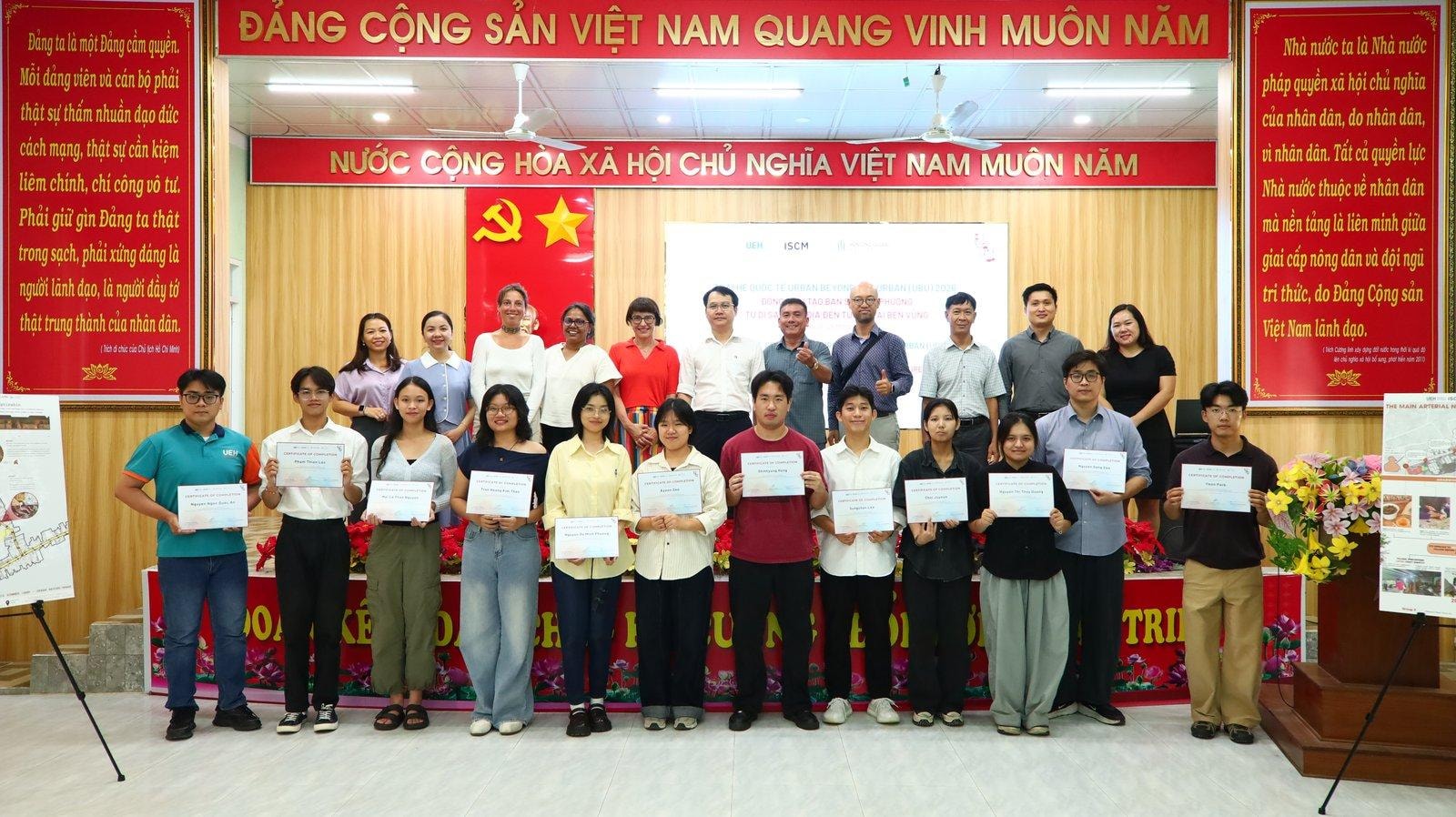
The Organizing Committee, professors, and students taking a commemorative photo with their certificates, marking the conclusion of the UBU 2026 journey.
As UBU 2026 concluded, the ideas, experiences, and relationships fostered throughout the program are expected to open new pathways for practical research and collaboration between Van Thang Commune and the University of Economics Ho Chi Minh City (UEH), contributing to the preservation of the traditional craft village and the sustainable development of Van Thang Agarwood Village.