
Sustainable Urban Living in Dalat: The Regeneration of Landscape Resilience


The Smart Landscape studio is a core course for second-year students in the Smart Architecture and Urban Design program, delivered by the Institute of Smart City and Management (ISCM) – UEH. The studio follows a learning-by-doing model in which students experience the full design workflow as in a real project: site survey, data collection and processing, contextual analysis, and the development of landscape–urban design solutions.
Studio theme 2026
“Sustainable Urban Living in Dalat: The Regeneration of Landscape Resilience”
The study context is Đà Lạt and its surrounding areas—a highland city simultaneously affected by climate change and rapid urbanization. The studio guides students to identify the ecological resilience of the urban landscape system, recognize existing challenges, and develop adaptive and sustainable landscape–urban design strategies.
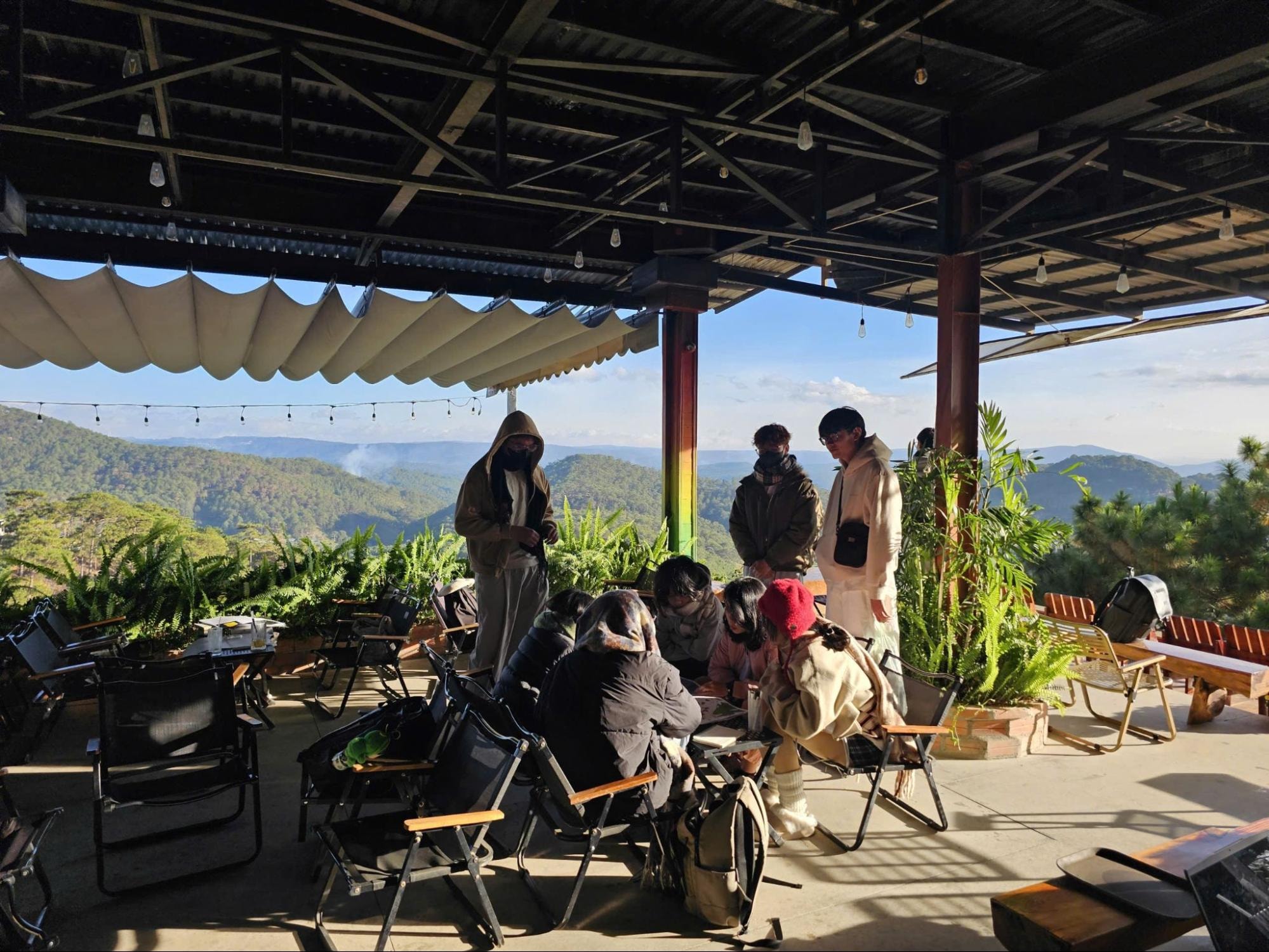
Figure 1. ISCM students conducting field surveys
Fieldwork is a mandatory component of the studio. According to the study plan, a group of 64 students and 4 lecturers conducted on-site research in Lang Biang, Lam Vien Square, Xuan Huong Lake, and adjacent areas.
Four-day fieldwork structure:
Day 1: Academic session at Đại học Yersin Đà Lạt on the historical formation and development of Dalat’s landscape.
Day 2: Preliminary surveys of the study areas; rapid desk review on-site with lecturers to frame key design issues.
Day 3: Detailed surveys, site mapping, resident interviews; group work with lecturers on data analysis and concept development.
Day 4: Independent observation to record spatial perception and patterns of landscape use.
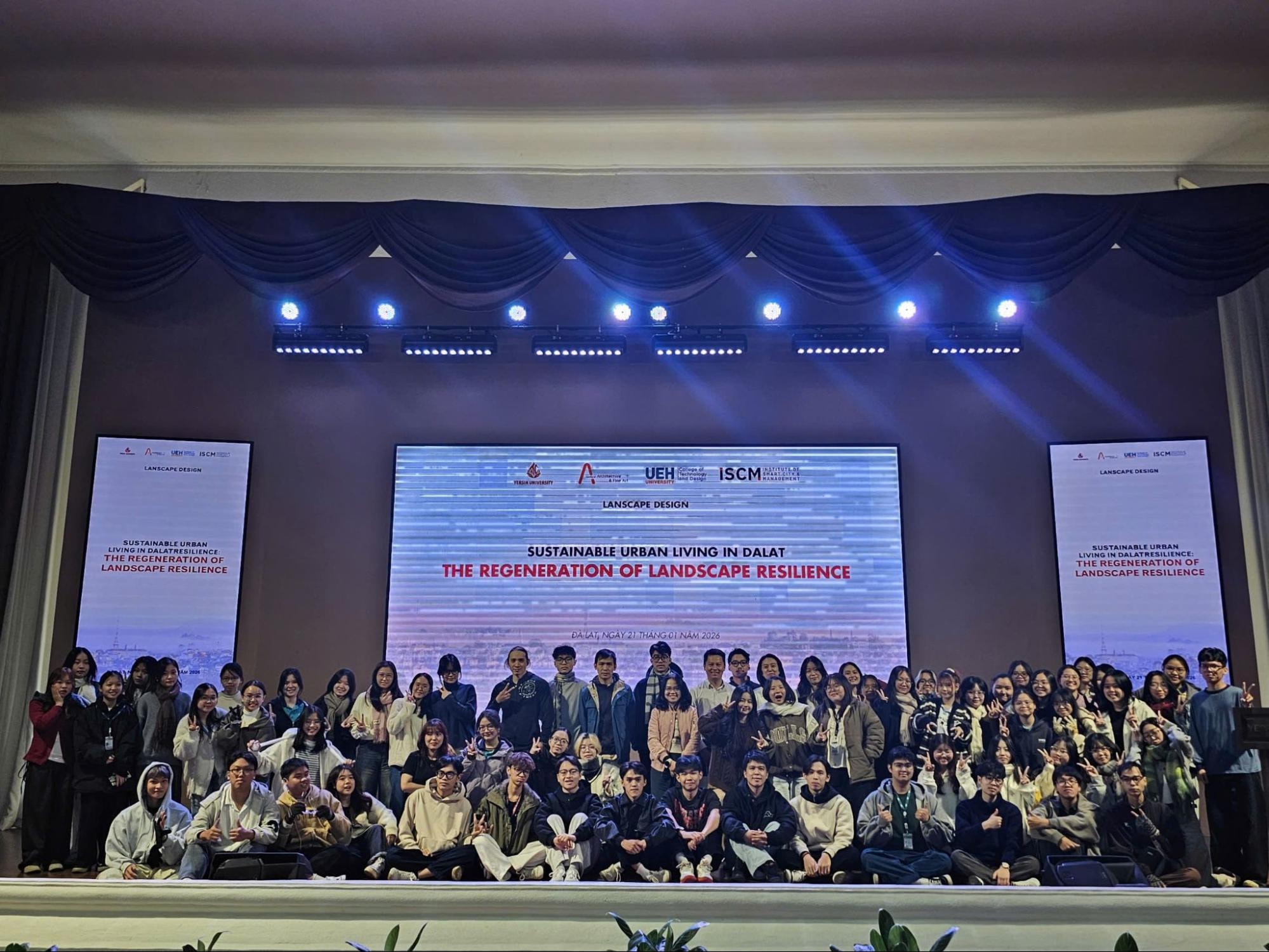
Figure 2. ISCM students and lecturers working at Yersin University
Fieldwork is not a study trip; it is a foundational step in shaping architectural and urban design thinking:
Understanding the real context: highland topography, pine forest structure, water surfaces, and the pressure of greenhouses and urbanization.
Collecting primary on-site data: mapping, movement patterns, space usage, and community narratives.
Developing a sense of place—a decisive factor in the quality of design solutions.
Practicing mapping, interviewing, and behavioral observation—core skills in urban design.
Linking ecological analysis to spatial form-making, rather than focusing on formal design alone.
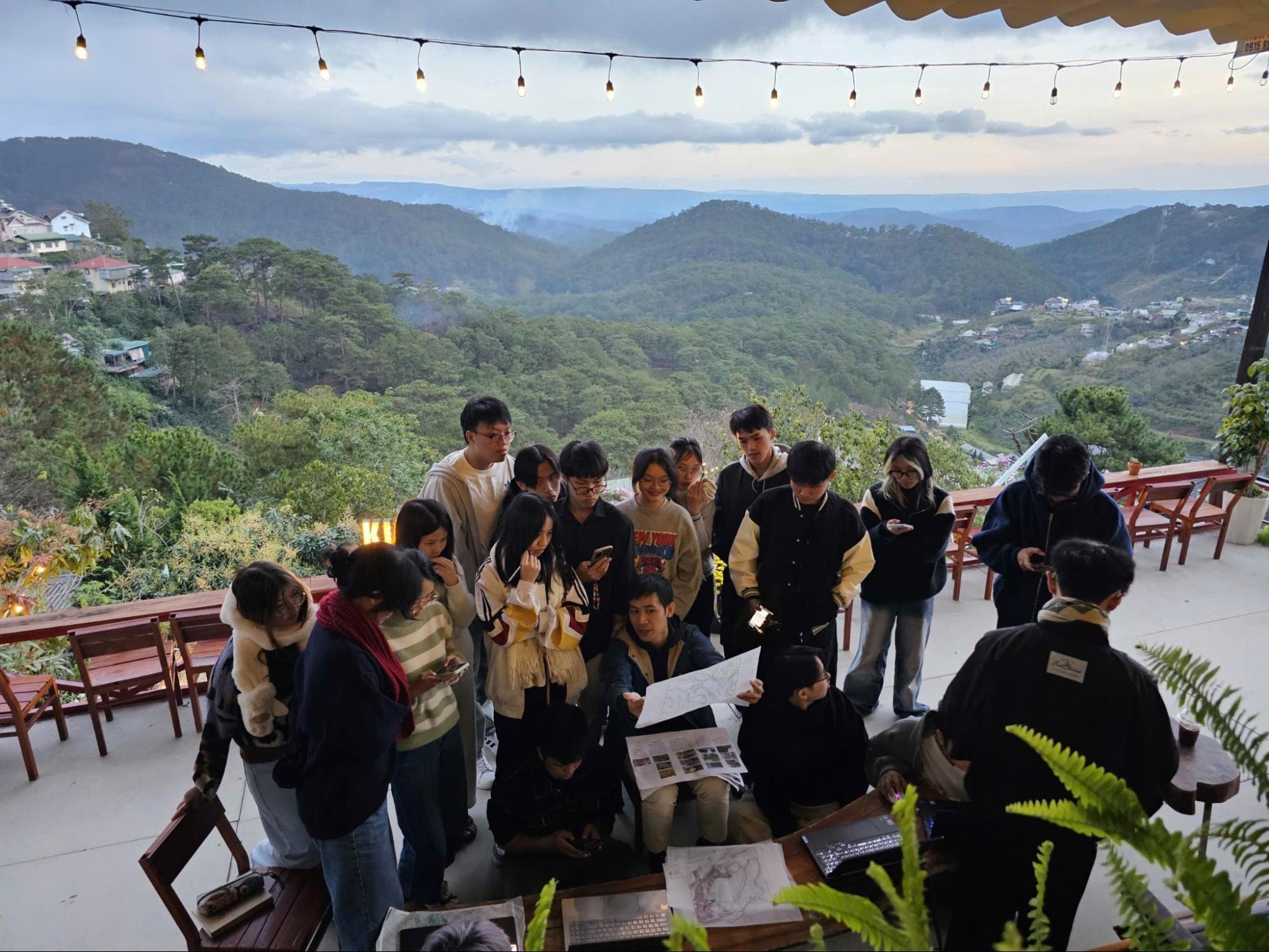
Figure 3. Lecturers providing on-site design critiques
For students in the Smart Architecture and Urban Design program at ISCM, field surveys are both a mandatory requirement and a distinct academic benefit of the curriculum. In most studio projects, students are organized to conduct research in different localities. This enables them to:
Approach projects within real contexts, not simulated data.
Learn how to transform field data into design strategies.
Develop evidence-based design thinking.
Strengthen teamwork, critique, and academic exchange directly on site.
The Dalat field trip, therefore, serves not only the studio project but also as a crucial step in building students’ capacity for practice-oriented landscape and urban design, aligned with the program’s educational orientation.
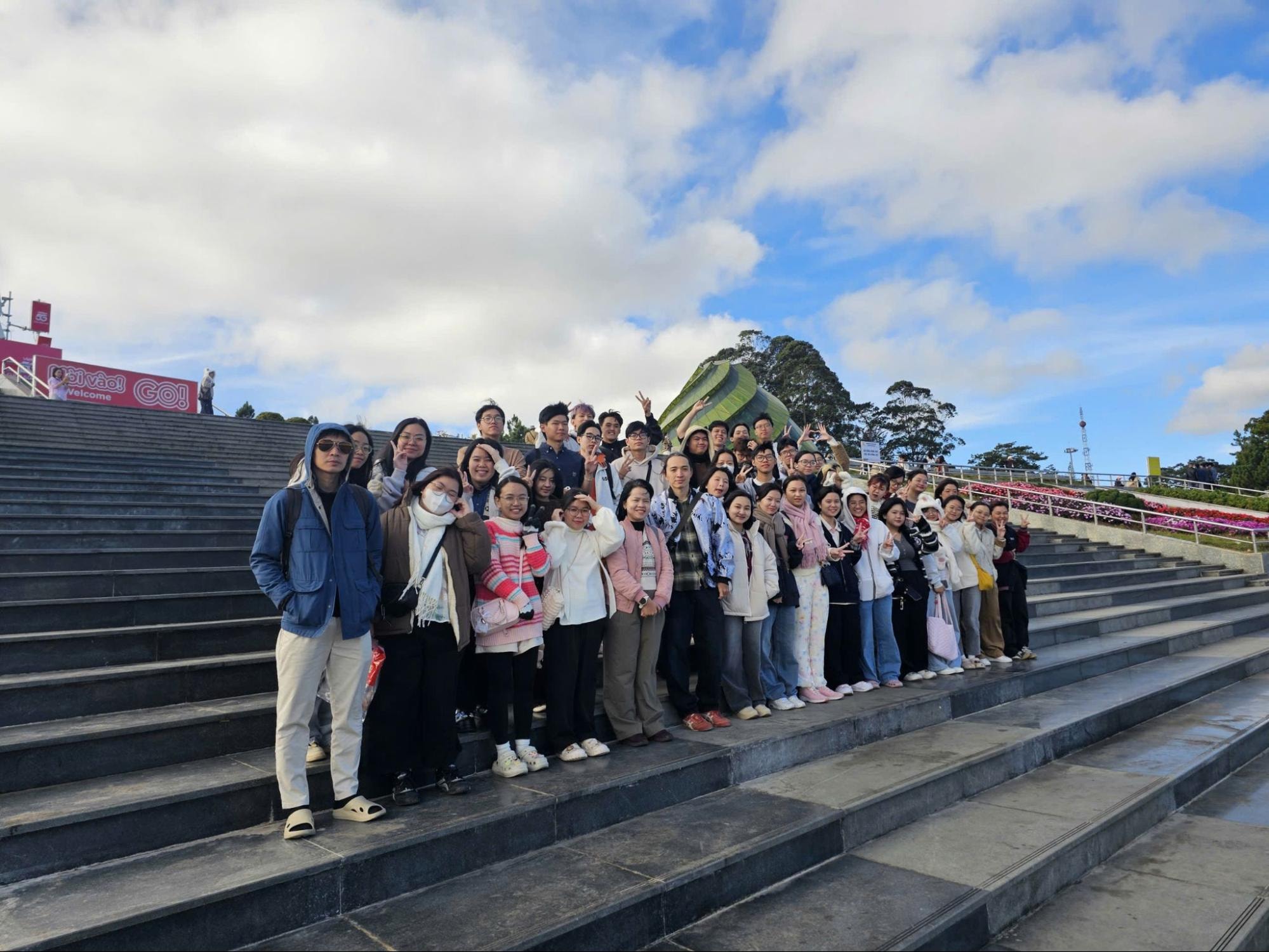
Figure 4. Students and lecturers conducting field surveys in Dalat