
LiveOut House by Dr. Arch. Huynh Van Khang (ISCM – UEH) Selected for Exhibition at the Work in Progress Symposium, Thailand


LiveOut House, designed by Dr. Arch. Huynh Van Khang, lecturer at the Institute for Smart City and Management (ISCM – UEH) and founder of Passive Design Laboratory (PDL), has been selected for exhibition in the guest of honor category at the Work in Progress Symposium, the 14th edition of this International Arts & Design Symposium, themed “Synthesis: Aesthetics” this year and organized by the College of Design, Rangsit University (Thailand). The project is featured in the symposium's online exhibition and e-book publication, alongside outstanding architecture and design works from around the world.
Work in Progress Symposium is an International Arts & Design Symposium and Exhibition held periodically by the College of Design, Rangsit University (Thailand). The theme of its 14th edition, “Synthesis: Aesthetics”, explores the integration of diverse artistic, cultural, and intellectual approaches to generate new forms of meaning, expression, and experience. The theme holds that aesthetic value is not confined to any single tradition or discipline, but instead emerges from the dialogue between art, design, technology, and society, where creativity flourishes most at the intersections of different fields, materials, techniques, and perspectives.
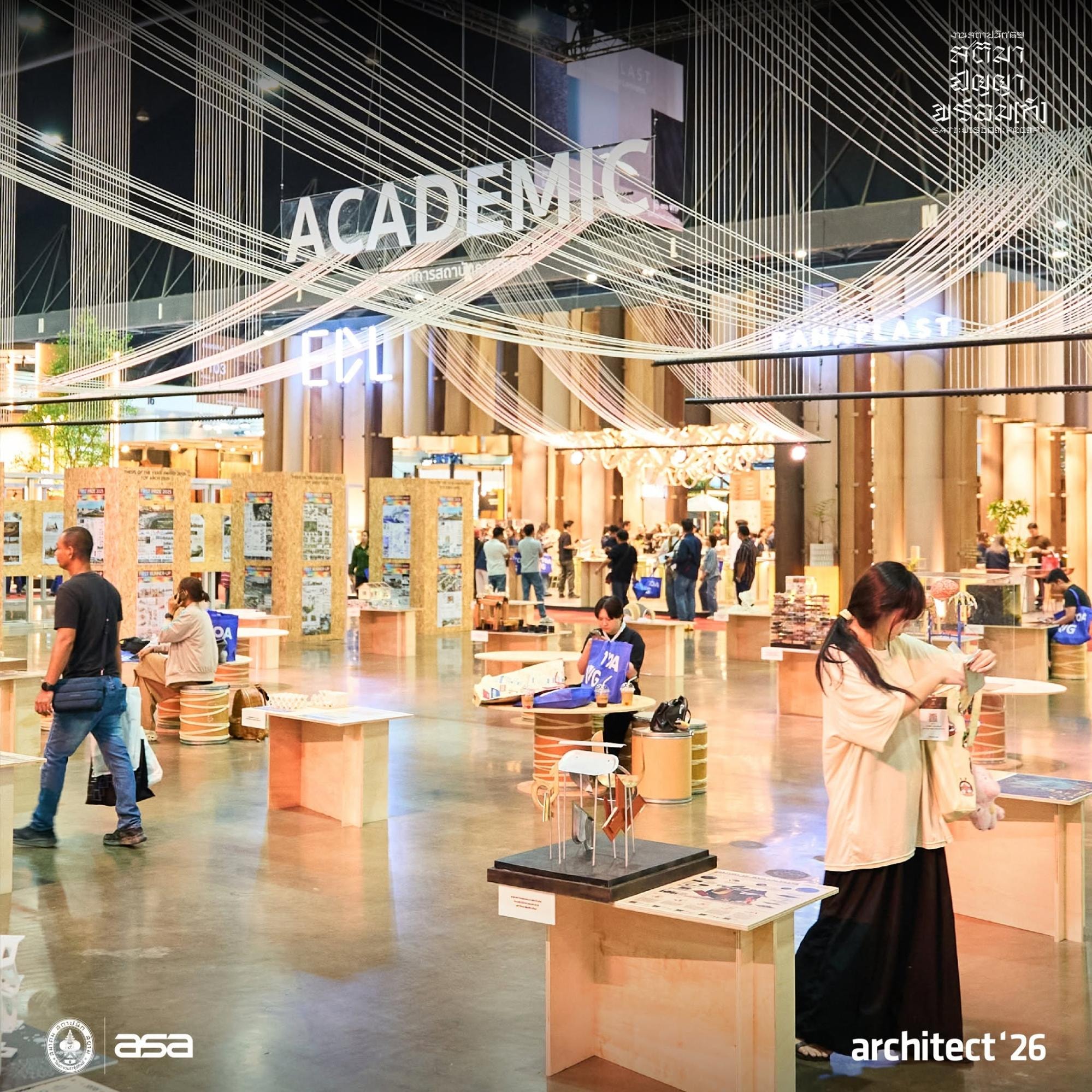
Figure 1. Exhibition space at the Work in Progress International Arts & Design Symposium (Source: ASA Architect Expo 2026).
The symposium's jury brings together a number of distinguished figures with significant standing in international architecture, art, and design, including Asae Sukhyanga, President of the Association of Siamese Architects under Royal Patronage (ASA); Prof. Antonello Alici, Ph.D., of Marche Polytechnic University (Ancona, Italy); Prof. Kemas Ridwan Kurniawan, Ph.D., Dean of the Faculty of Engineering, University of Indonesia; Sakarin Krue-on, an artist honored with the Silpathorn Award, one of Thailand's most prestigious national art accolades; and Yoshitaka Miyagawa, President and Representative Director of Miyagawa Koki Co., Ltd. (Japan). The participation of this multinational jury underscores the symposium's professional rigor and international standing, and adds further weight to LiveOut House's selection this year.
The design responds to the reality that roughly 85% of Ho Chi Minh City's population lives in narrow alleys, where indoor microclimatic conditions are often constrained. LiveOut House itself sits within a small dead-end alley with poor air circulation, high thermal radiation, unstable natural daylight, and limited privacy. With a two-storey footprint, optimizing ventilation and daylight became a significant design challenge. Against this backdrop, the project was developed as an architectural experiment to improve living quality for this common type of urban housing in the hot-humid tropics.
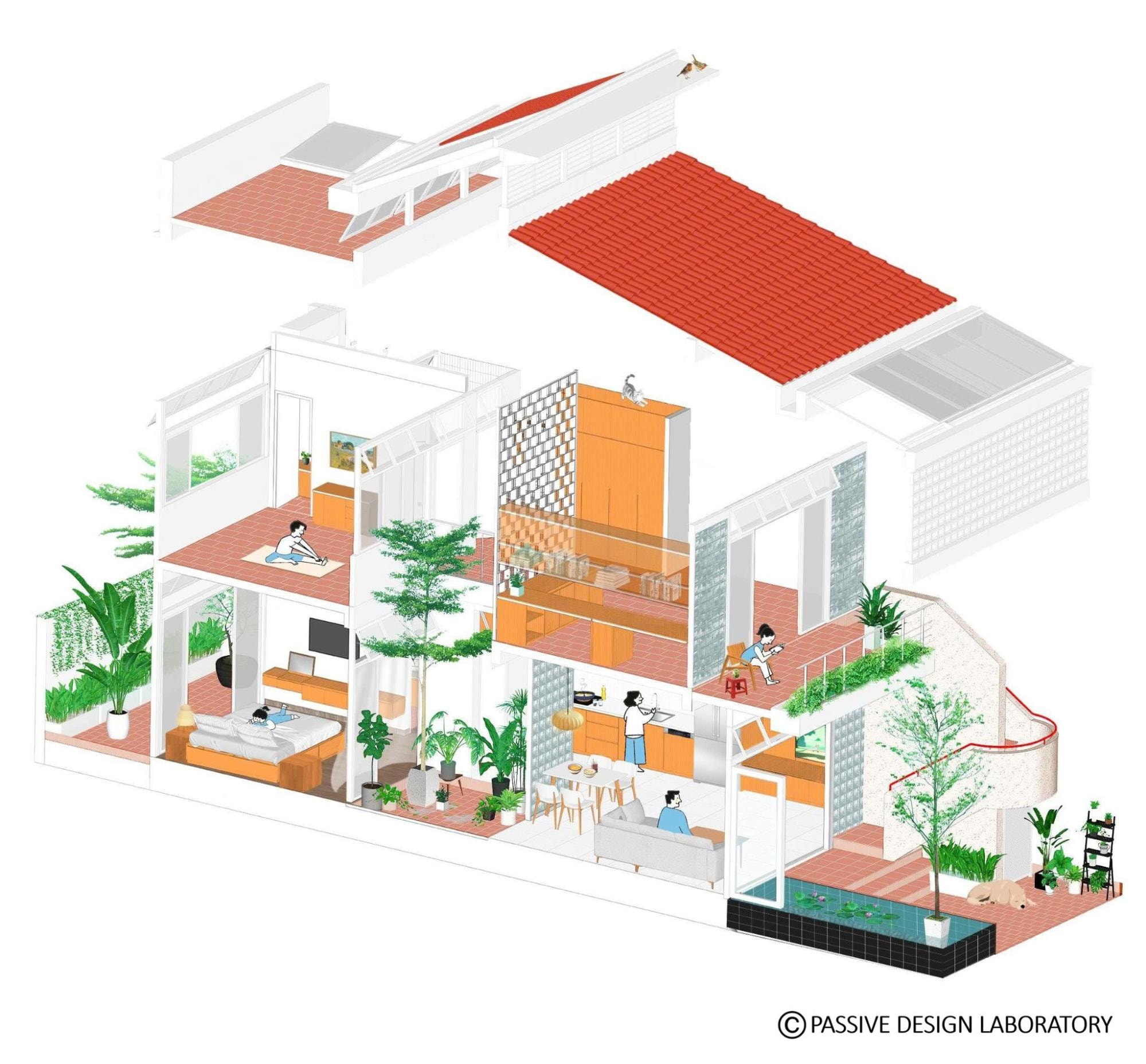
Figure 2. Overall spatial layout of LiveOut House.
Rather than treating the house as a sealed “box” that strictly separates interior space from nature, LiveOut House takes the opposite approach: an “open-living house” where light, breeze, and greenery permeate the living space throughout. The boundary between inside and outside is softened through an outdoor staircase, a courtyard, buffer verandas, and a sequence of interconnected spaces, creating a continuous “indoor–outdoor” living experience rooted in tropical architectural tradition. Here, occupants can constantly sense the movement of sunlight and cooling breeze passing through.
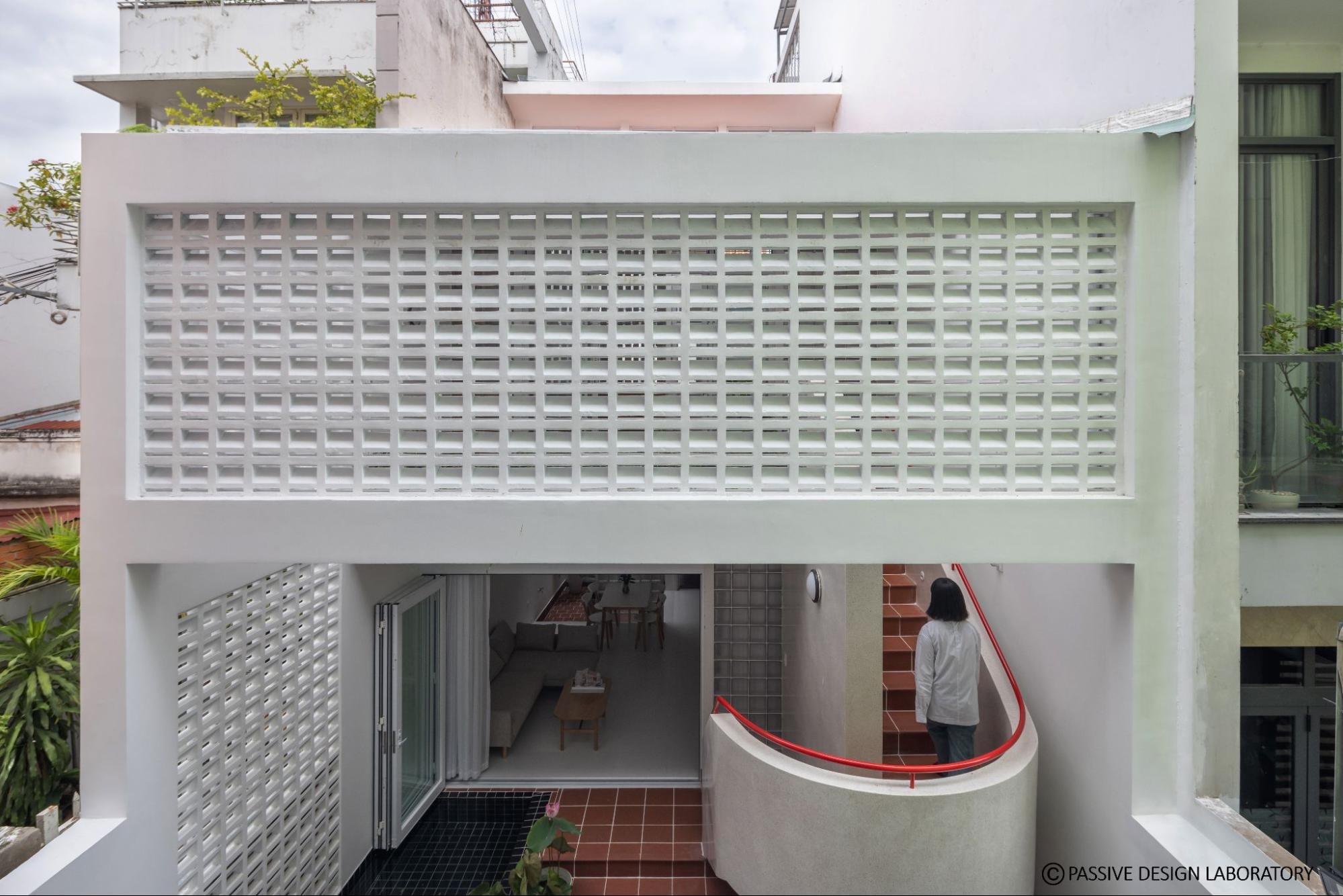
Figure 3. The breathable yet discreet building envelope.
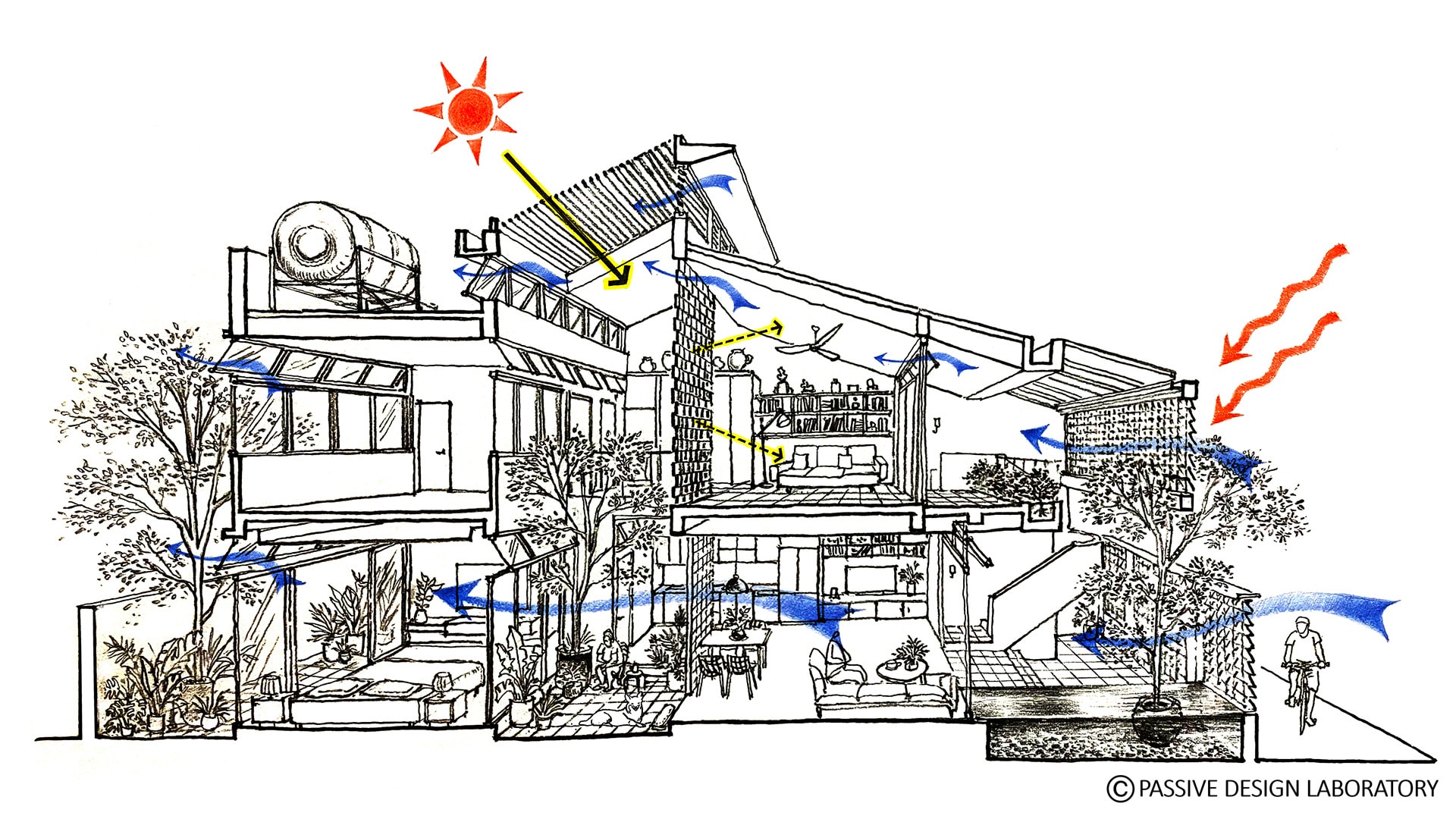
Figure 4. Design diagram of radiation-blocking, ventilation, and daylighting strategies.
The building's form is adapted to the narrow-alley site while optimizing microclimatic performance. Unlike the typical Vietnamese “tube house” model, which separates each floor into isolated spaces, LiveOut House is organized as an open, unified system that allows wind, light, and sightlines to flow continuously through the building. Voids are deliberately positioned throughout — from the front yard and courtyard to the skylight and rooftop opening — forming “wind corridors” that sustain both horizontal and vertical natural ventilation even within the constraints of a dead-end alley.
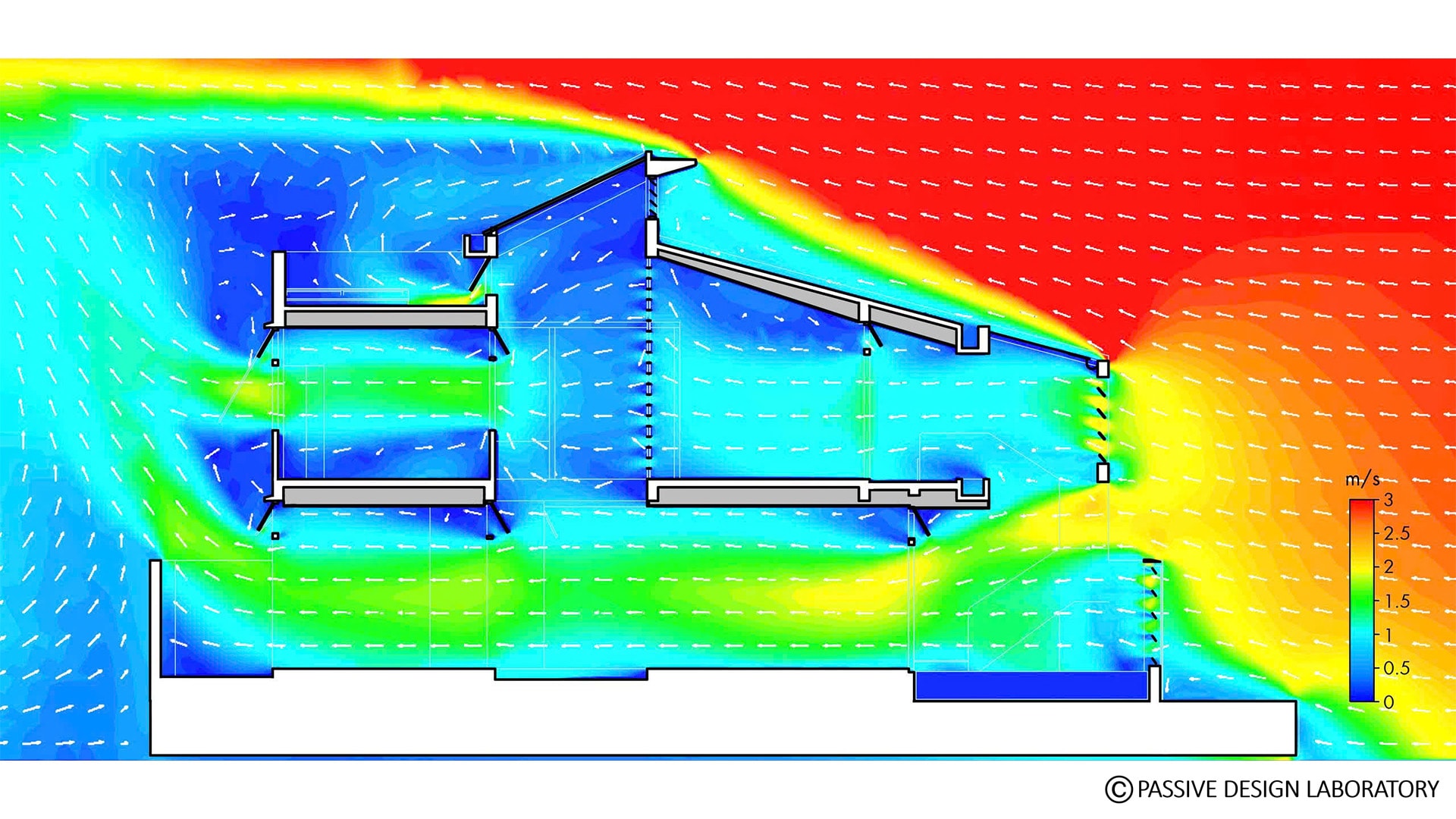
Figure 5. CFD simulation results showing natural airflow within the building.
Doors and openings are positioned based on CFD ventilation simulations and daylight analysis, reducing heat absorption, improving cross-ventilation, and maintaining soft, stable lighting throughout the day. Greenery, sun-shading louvers, and a semi-translucent building envelope act as “microclimatic filters,” providing both shade and privacy. White is used throughout the project not only for its visually calming effect that expands the sense of space, but also for its high thermal reflectivity, which reduces radiation absorption and supports the building's passive cooling strategy.
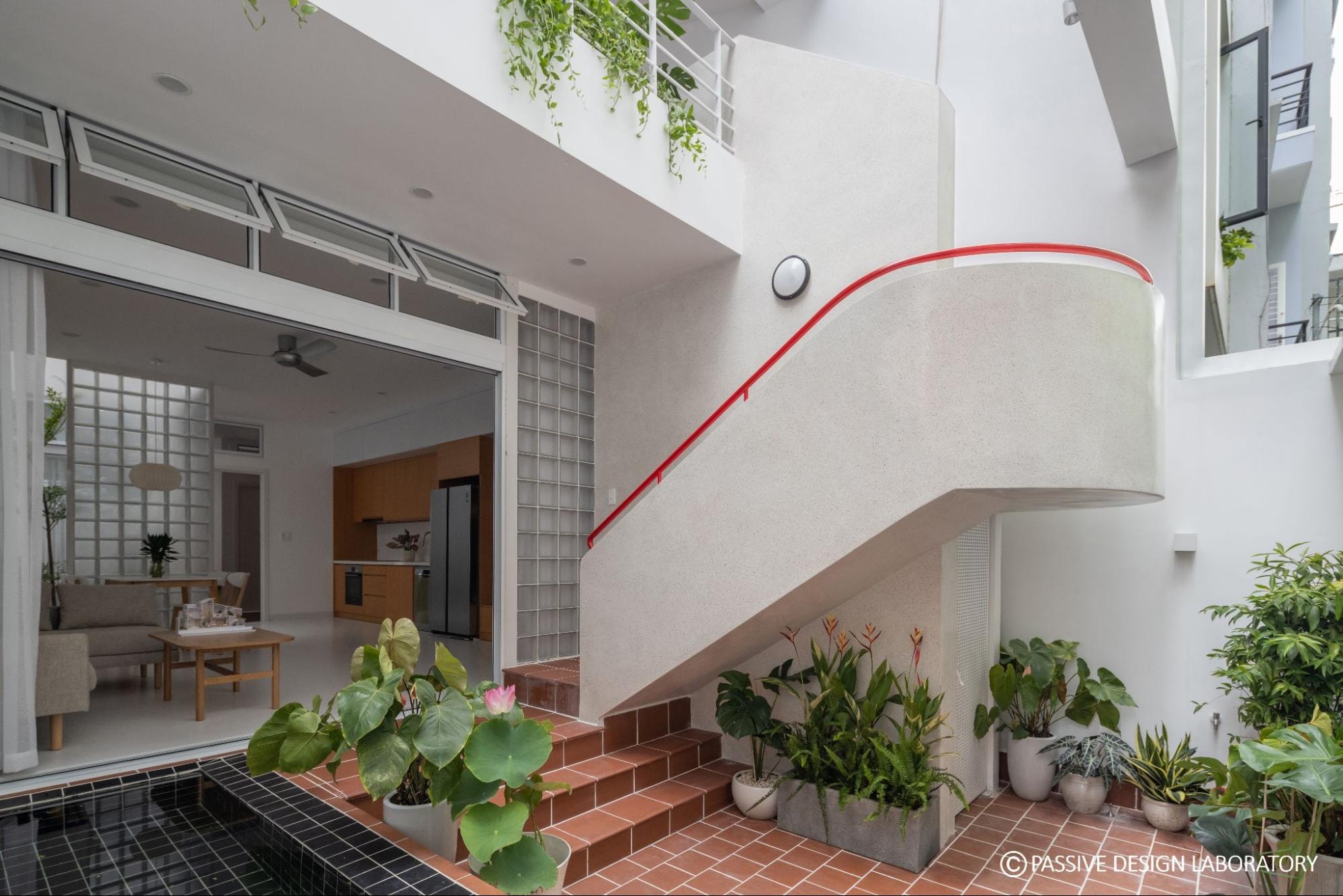
Figure 6. Interconnected multi-functional spaces and the outdoor staircase.
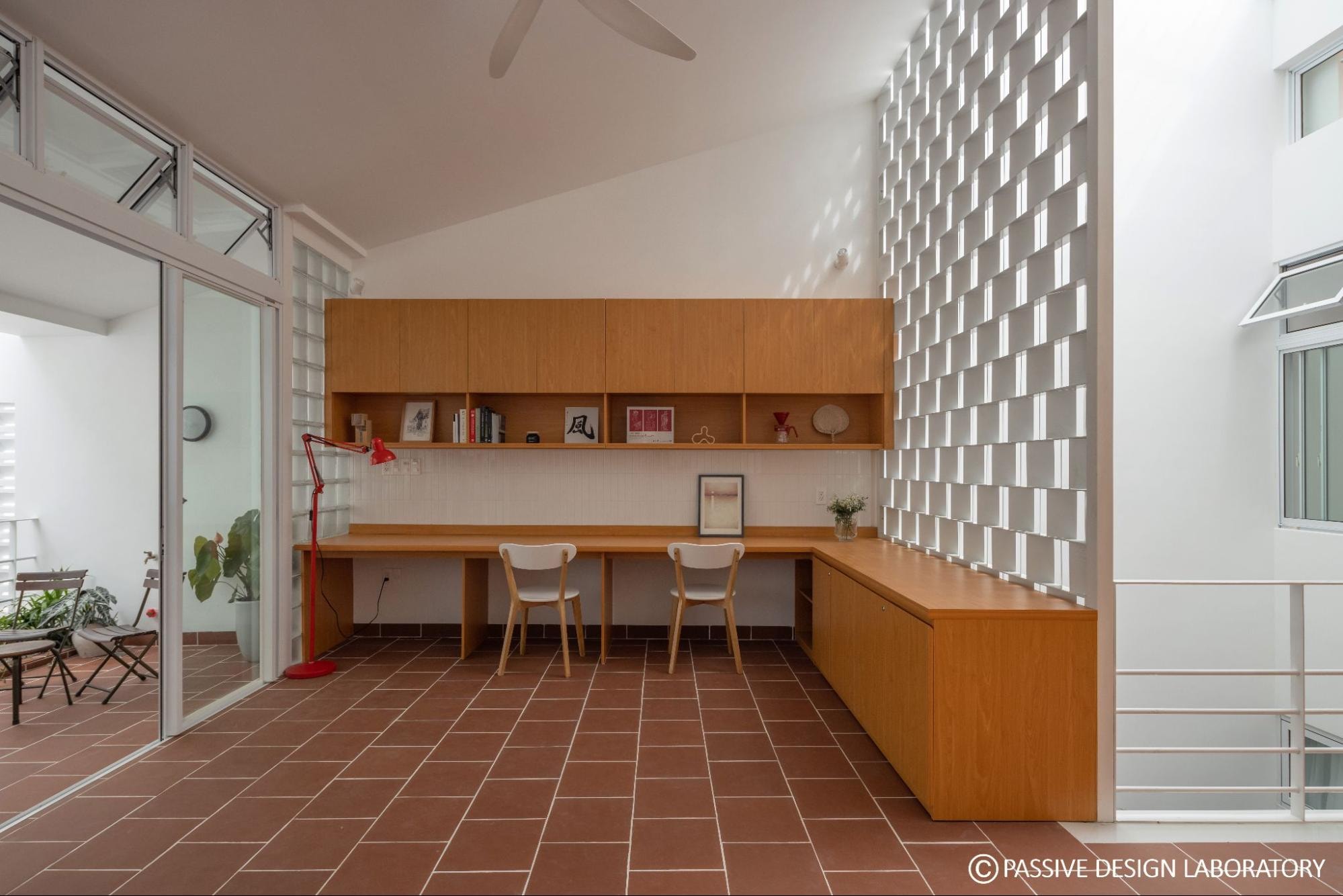
Figure 7. Multi-functional veranda spaces and the sun-shading, ventilating louver system on the second floor.
Beyond their microclimatic performance, the spaces within LiveOut House are also designed to be multi-functional, flexibly accommodating a range of uses, from daily living, study, and work to family gatherings and small events, reflecting the evolving lifestyle of urban Vietnamese households. The outdoor staircase and vertically interconnected spaces serve not only circulation but also encourage occupants to move and stay active within their own home, supporting a more dynamic lifestyle closely connected to nature.
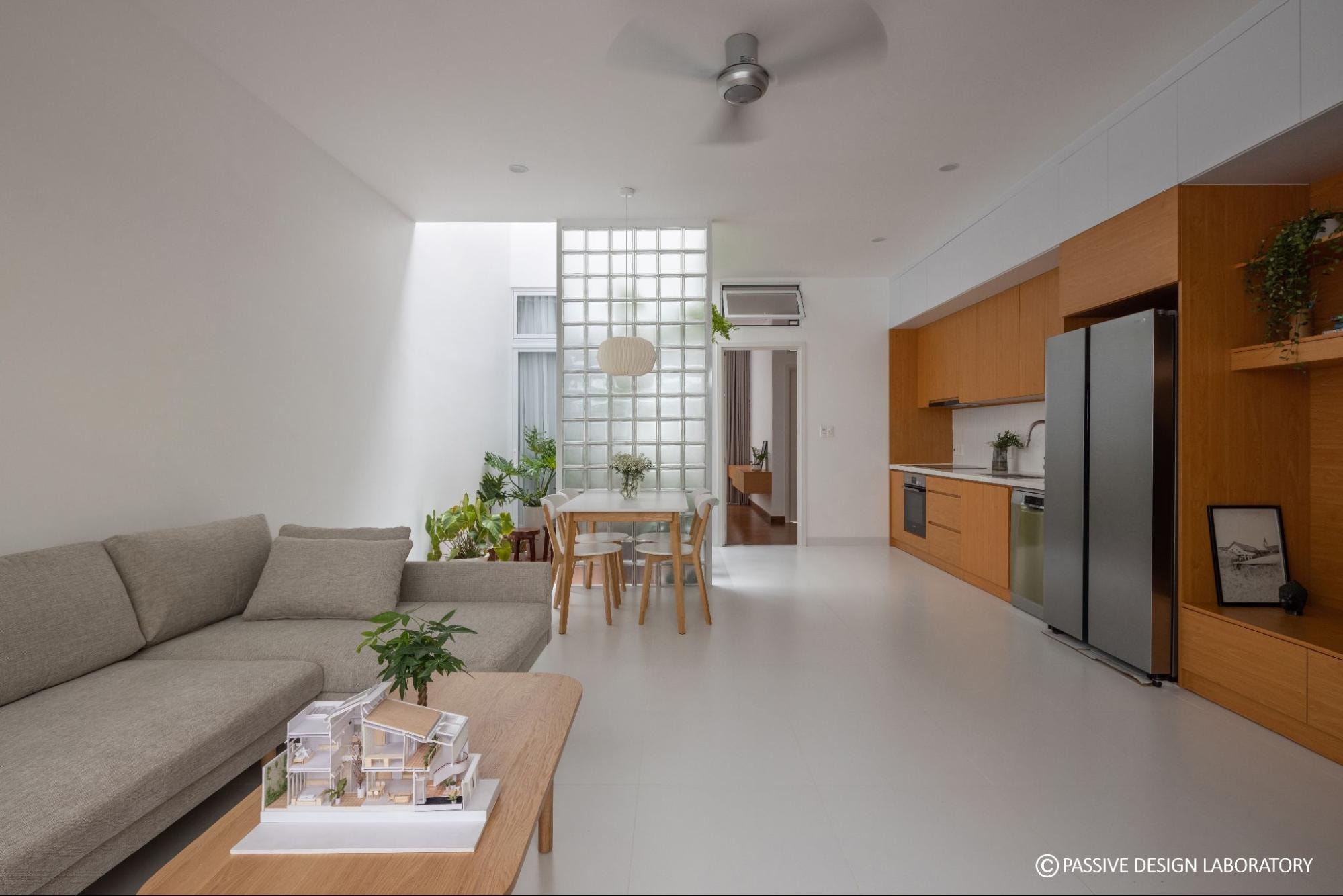
Figure 8. The living room and connected kitchen-dining space, designed to feel spacious and well-ventilated.
LiveOut House seeks to create a new “breathing space” for residents living amid an increasingly dense tropical urban context. Despite its small footprint, the house still feels open and spacious, thanks to its interconnected spatial layout and continuous integration with nature. Its selection for exhibition at the Work in Progress Symposium stands as international recognition of Passive Design Laboratory's research and practice in climate-responsive tropical architecture, while also affirming ISCM – UEH's role in advancing sustainable design solutions grounded in the real living conditions of Vietnamese cities.
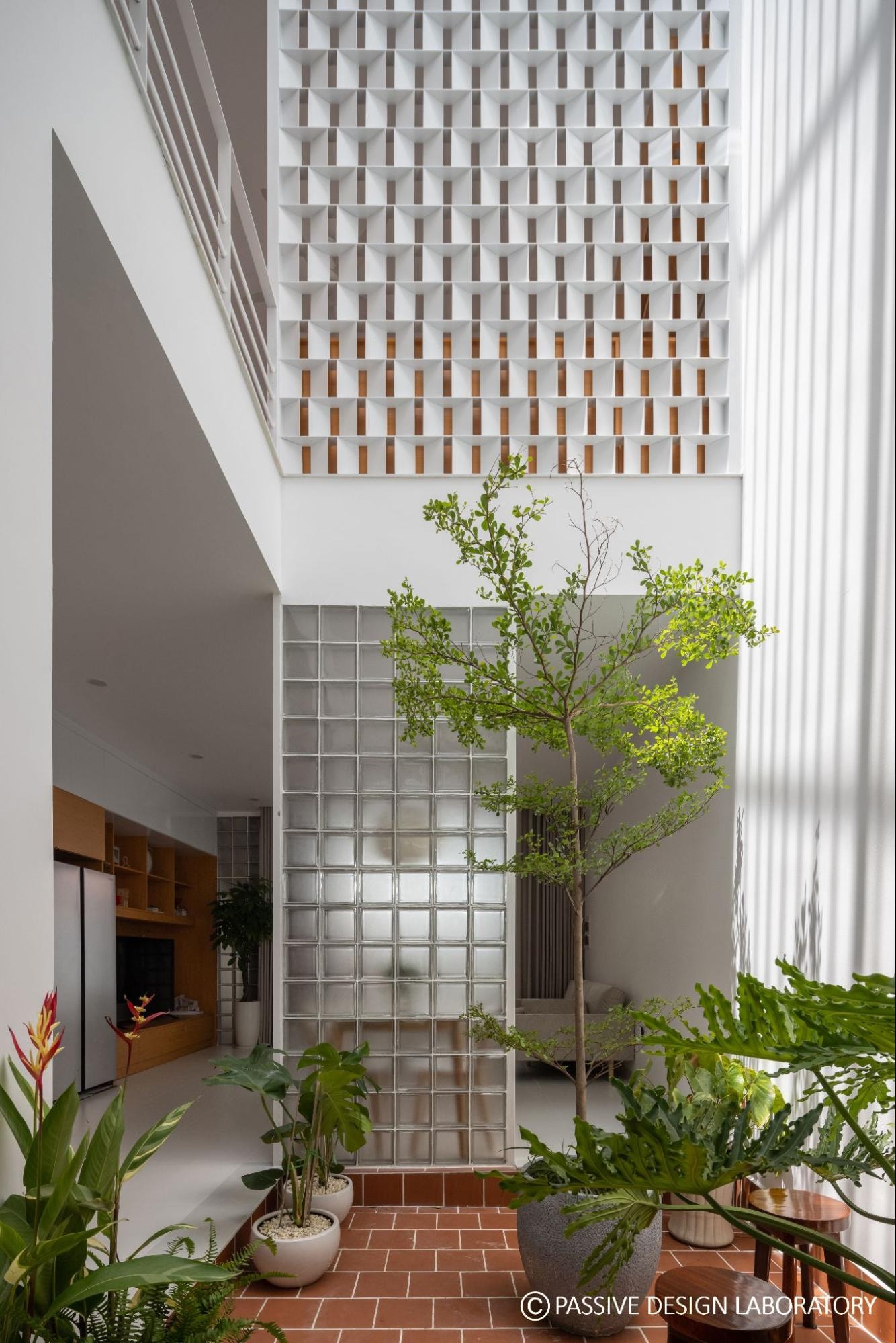
Figure 9. The courtyard, bringing sunlight and breeze into the house and evoking the feel of a lush green garden.
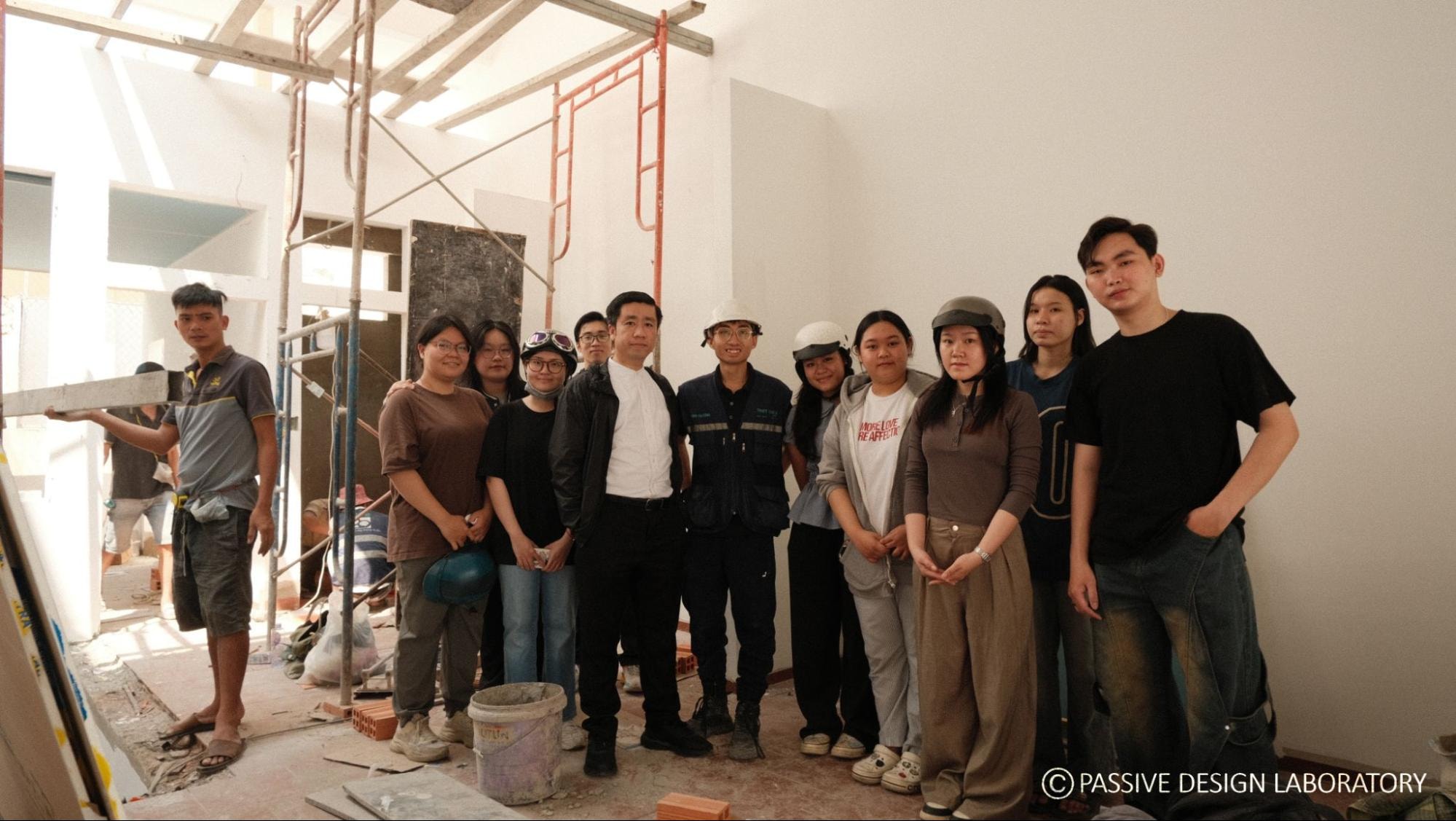
Figure 10. Dr. Arch. Huynh Van Khang together with students and interns during an on-site supervision visit.
Throughout the year-long design and construction process, ISCM students and interns were involved at every stage alongside the Passive Design Laboratory team. This collaboration carries meaningful value in bridging theoretical education and hands-on practice, helping students deepen their classroom learning through real, on-site lessons from the project.
ISCM warmly congratulates Dr. Arch. Huynh Van Khang and Passive Design Laboratory on this proud achievement, and looks forward to continuing to support climate-responsive architectural research and practice that carries a distinctly Vietnamese voice onto international platforms.
Learn more at the symposium's official page: https://workinprogress-symposium.design/guest/