
ISCM–UEH PRESENTS WISE TOWN LIVING LAB RESEARCH AT THE 2026 HANDONG GLOBAL UNIVERSITY CONFERENCE IN SOUTH KOREA


On November 10, 2026, in Pohang, South Korea, Assoc. Prof. Dr. Trinh Tu Anh, Director of the Institute of Smart City and Management (ISCM), University of Economics Ho Chi Minh City (UEH), participated as an international guest speaker at the 2026 Handong Global University Glocal University Project Results Sharing Conference, an event organized as part of Handong Global University's Glocal University Project.
The conference brought together representatives from universities, local governments, businesses, and communities to share key achievements of the Glocal University Project and explore opportunities for collaboration in regional development, innovation, and international engagement.
At the conference, Assoc. Prof. Dr. Trinh Tu Anh presented a research paper entitled “Beyond Smart Cities: Co-Creating a Wise Town Living Lab in Van Thang.” The presentation reflected ISCM–UEH's research orientation toward integrating academic knowledge, technology, local identity, and community participation to develop sustainable development models tailored to local contexts and practical needs.
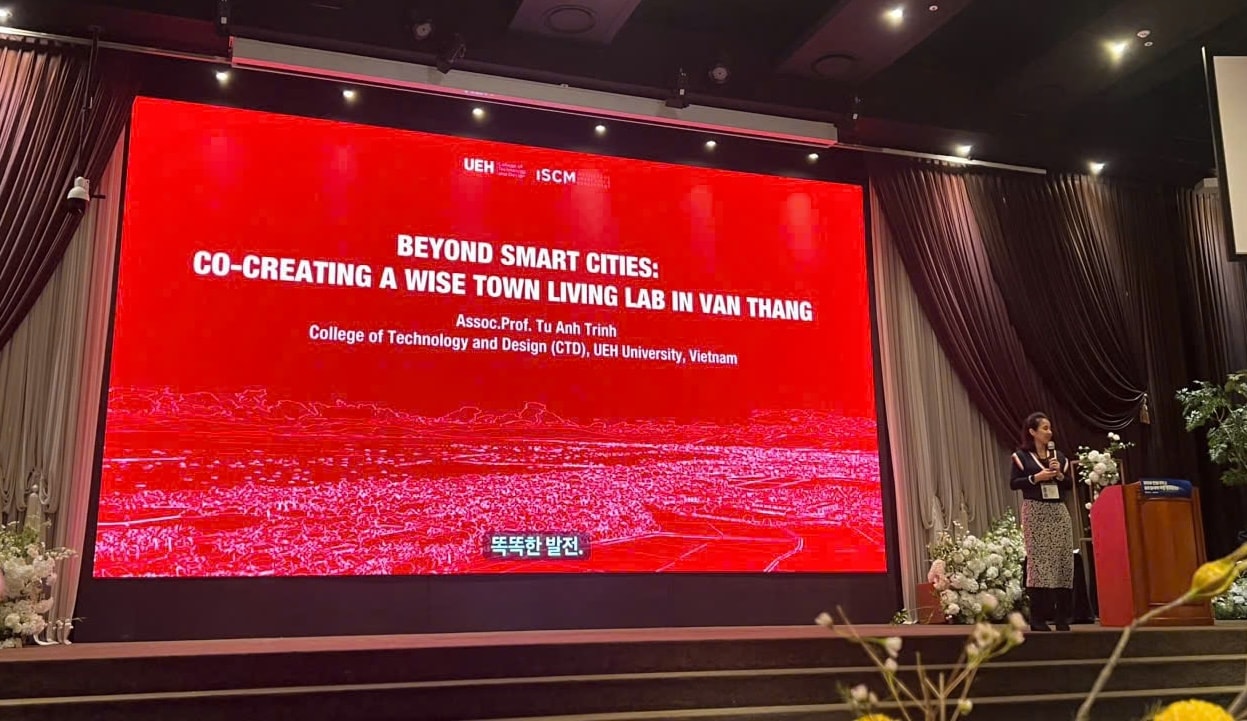
Figure 1. Assoc. Prof. Dr. Trinh Tu Anh presenting her research at the conference.
From Smart City to Wise Town: Bringing Research into Communities' Everyday Environments
In her presentation, Assoc. Prof. Dr. Trinh Tu Anh raised a critical question concerning smart city development: Why do many localities continue to face difficulties in implementing smart city solutions despite having established strategies and invested in technology?
According to the research team, one of the underlying causes is the gap between planning and practical implementation. When solutions are developed primarily through a technology-driven approach, with limited stakeholder participation and insufficient testing in real-world environments, localities may encounter high adaptation costs, low levels of user acceptance, and challenges in implementation coordination.
Against this backdrop, the presentation introduced the Wise Town approach, a development model that prioritizes local relevance and community value rather than treating technology as an end in itself. The model is built upon four interconnected pillars: Local Wisdom, Appropriate Innovation, Stakeholder Partnership, and Sustainable Value, with local identity serving as its underlying foundation.
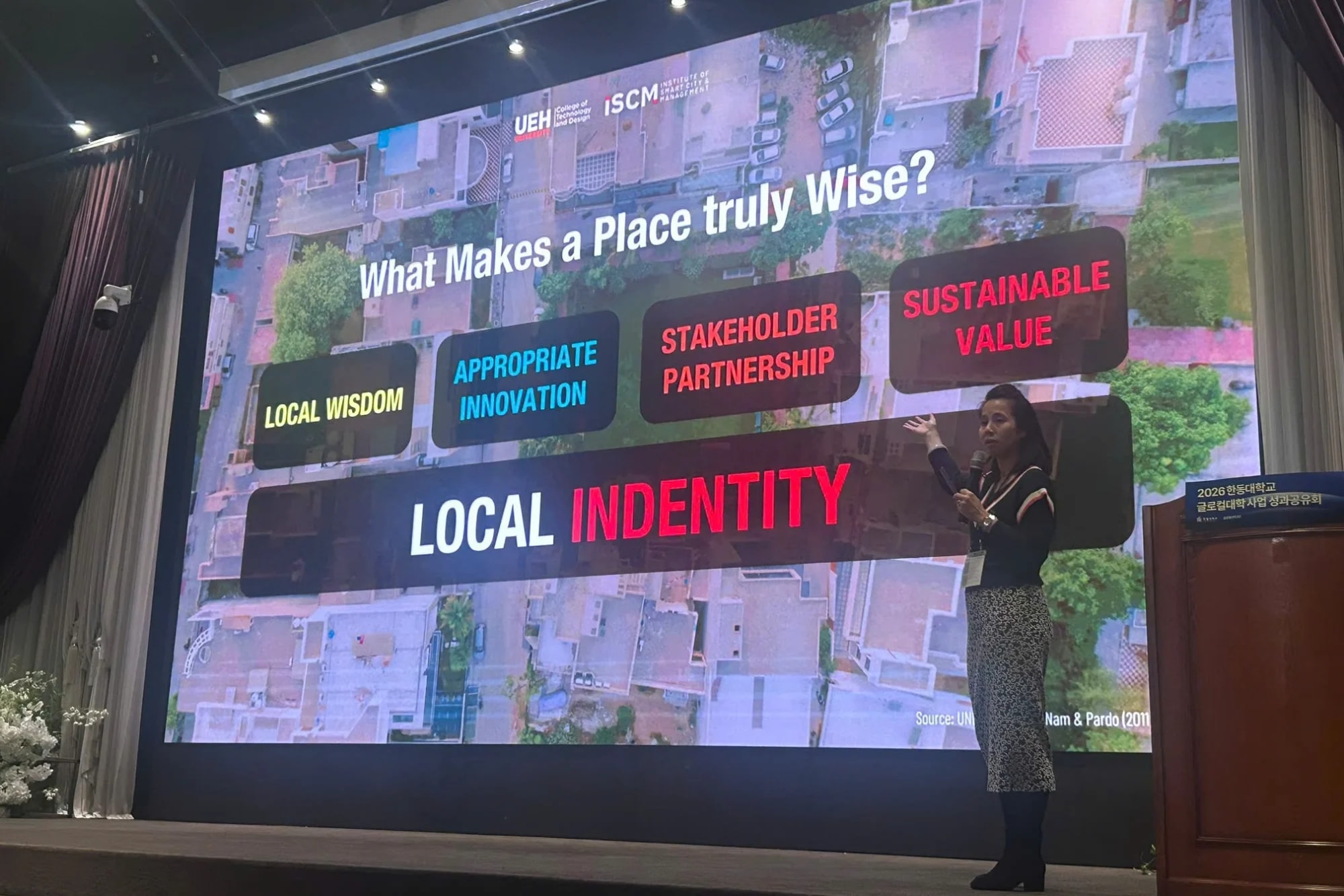
Figure 2. The four pillars of the Wise Town model: Local Wisdom, Appropriate Innovation, Stakeholder Partnership, and Sustainable Value.
To illustrate the practical application of this approach, Assoc. Prof. Dr. Trinh Tu Anh introduced the proposed Wise Town Living Lab in Van Thang, centered on Vietnam's traditional agarwood craft village ecosystem.
Van Thang was selected as a case study because of its distinctive agarwood craftsmanship, knowledge passed down through generations, and potential for product development and cultural tourism experiences. Nevertheless, the locality also faces challenges related to heritage preservation, market connectivity, stakeholder coordination, and enhancing economic value for local communities.
Rather than replacing traditional craftsmanship with technology, the research proposes using technological innovation to enhance the value of cultural heritage through digital storytelling documenting artisans' experiences, product traceability, the design of cultural visitor experiences, and improved market accessibility.
Importantly, the Living Lab approach enables local governments, universities, businesses, artisans, and communities to jointly identify challenges, co-design solutions, conduct experiments, and evaluate their effectiveness in real-world settings before considering wider implementation.
Another significant component of the research is a strategy for repositioning the local brand and the agarwood product ecosystem. Through the Integrated Implementation City Branding Framework (IICBF), the research team proposes integrating the craft village's place brand with its product brand, with the aim of developing a premium agarwood ecosystem built around scent, memory, and living heritage.
This strategic direction represents a transition from handcrafted products to cultural experiences, from individual production activities to an integrated value ecosystem, and from traditional competitive advantages to sustainable competitiveness.
Strengthening International Research Collaboration and the University as a Co-Creation Platform
Presenting the research at the conference in South Korea provided an opportunity to bring ISCM–UEH's experiences and applied research perspectives into international discussions on the role of universities in regional development.
As universities are increasingly expected not only to generate knowledge but also to contribute actively to addressing societal challenges, the Wise Town Living Lab model demonstrates the potential to connect scientific research, innovation, cultural heritage preservation, and community-based economic development.
For ISCM–UEH, participation in the conference helped showcase its interdisciplinary research capabilities and Living Lab approach, while opening up opportunities for academic exchange, comparative research, and collaborative experimentation with international partners on locally grounded development models.
In particular, the presentation emphasized the role of universities as co-creation platforms, bringing together resources from research, technology, public policy, businesses, and communities to generate shared value.
ISCM's continued participation in international academic forums further reflects its commitment to connecting research with real-world applications, advancing internationalization, and contributing to sustainable development.
News and photos by: ISCM–UEH