
Southeast Asian Youth Co-creating a Sustainable Future at the International Workshop 2026


From 8–12 June 2026, 59 students from Singapore Polytechnic (Singapore), the University of Economics Ho Chi Minh City (UEH, Vietnam), and Thammasat University (Thailand) participated in an International Workshop on Design and Sustainable Development hosted by Singapore Polytechnic.
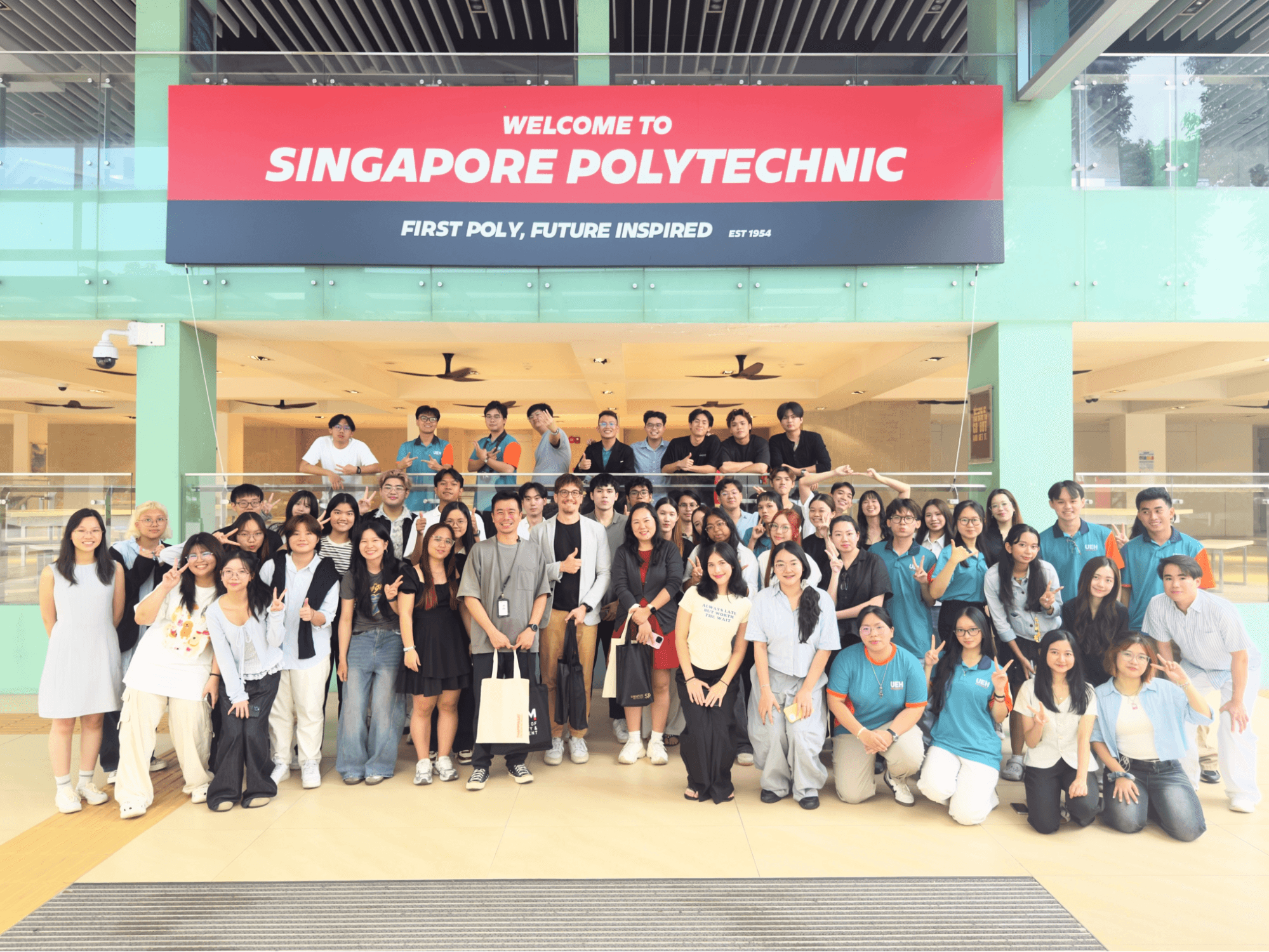
The workshop brought together students from a wide range of disciplines, including Architecture and Urban Design, Landscape Architecture, Interior Design, International Business, and Business Management. Through an interdisciplinary and multicultural learning environment, participants were challenged to address a real-world problem by combining design thinking, user research, and sustainable innovation.
Guiding the students throughout the programme was an international team of faculty members, including Mr. Dillon Lin and Mr. Muhd Najdi from Singapore Polytechnic, Dr. Federico Puggioni and Dr. Sidhar Ryalie from Thammasat University, and Ms. Tran Thi Quynh Mai from the Institute of Smart City and Management (ISCM), University of Economics Ho Chi Minh City (UEH).
Moberly – A Living Laboratory for Sustainable Ideas
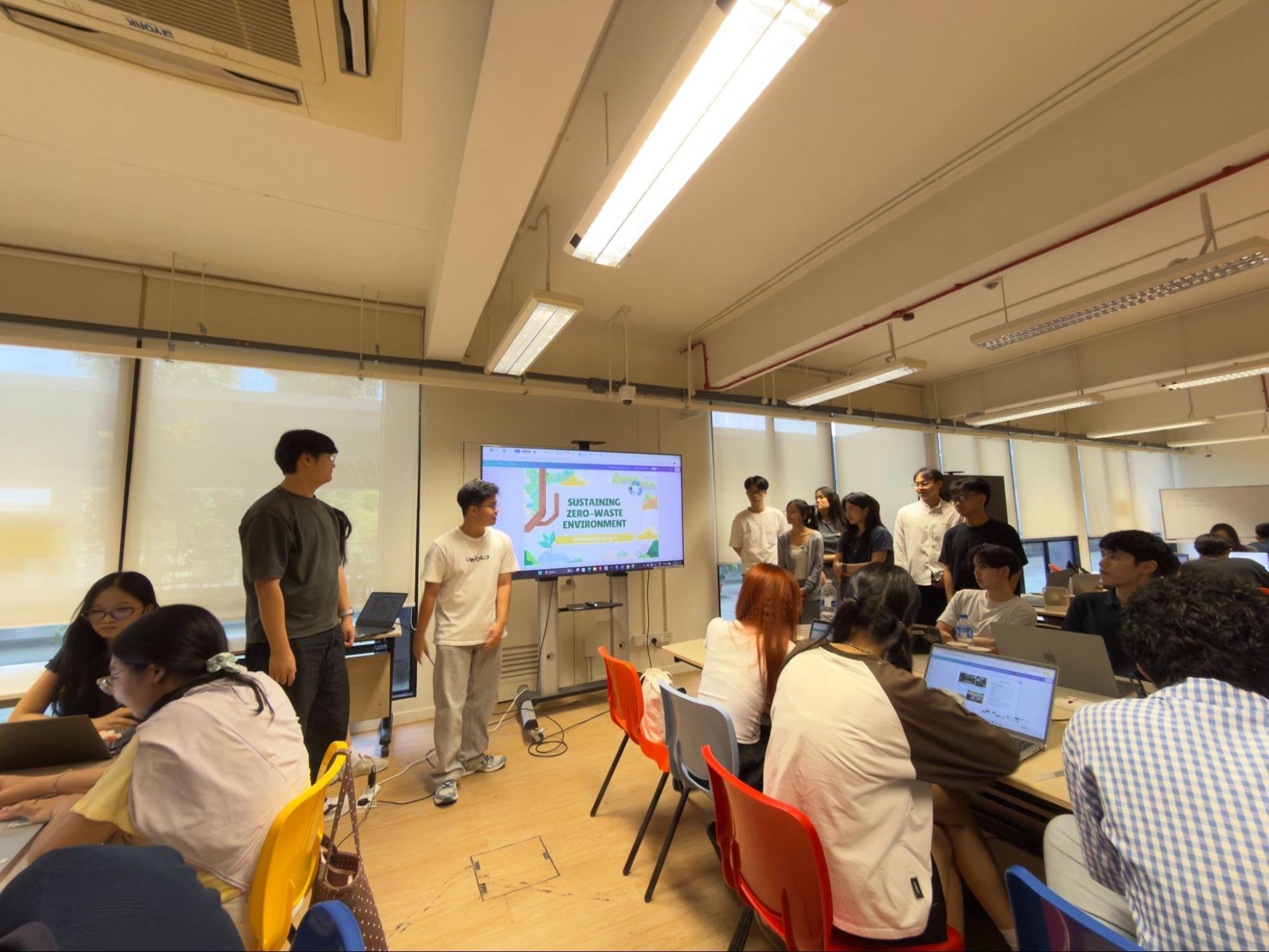
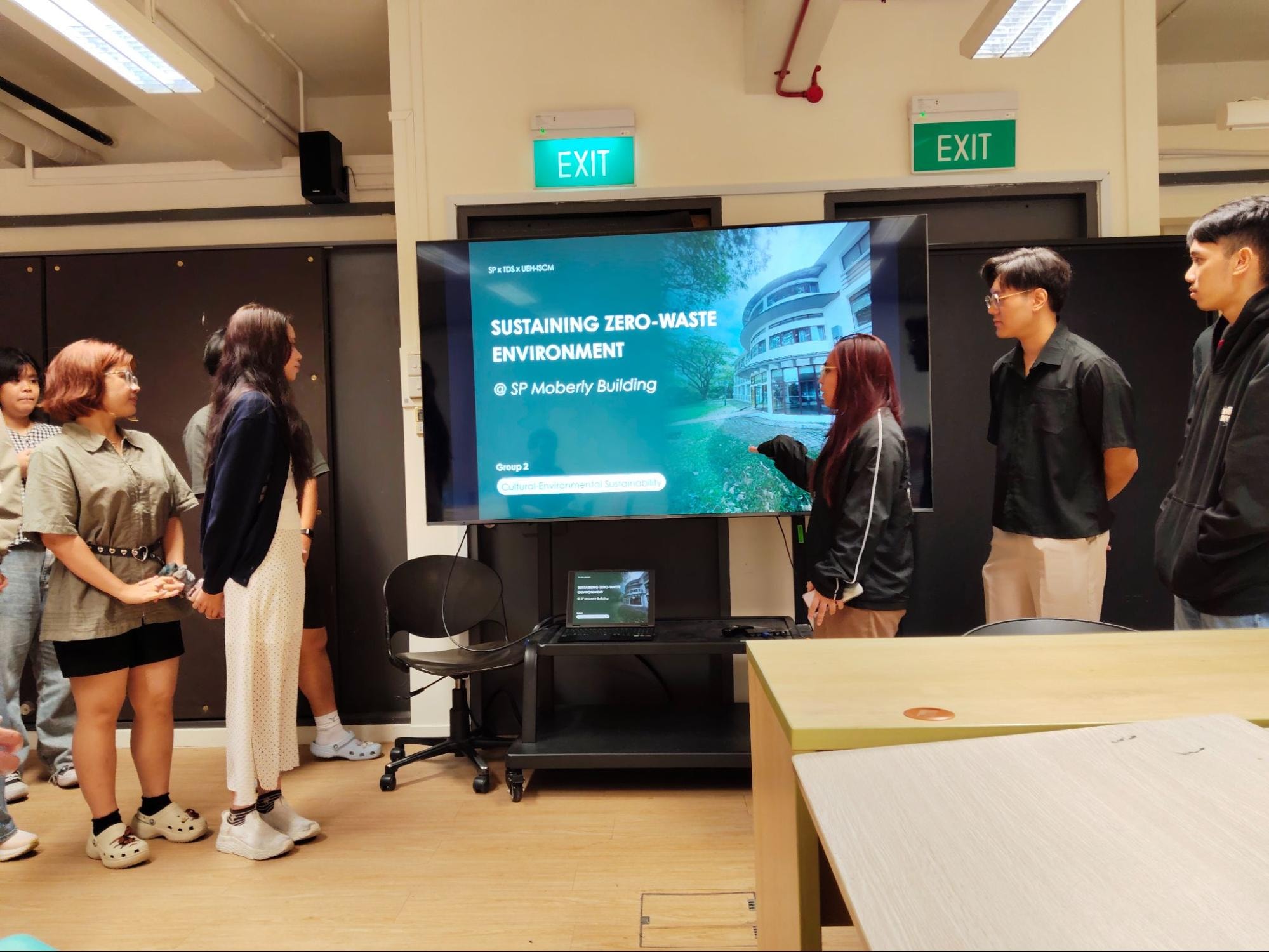
This year’s workshop was built around the theme “Sustaining a Zero-Waste Environment,” encouraging students to explore and redefine sustainability from multiple perspectives, including environmental, social, cultural, economic, technological, and urban dimensions.
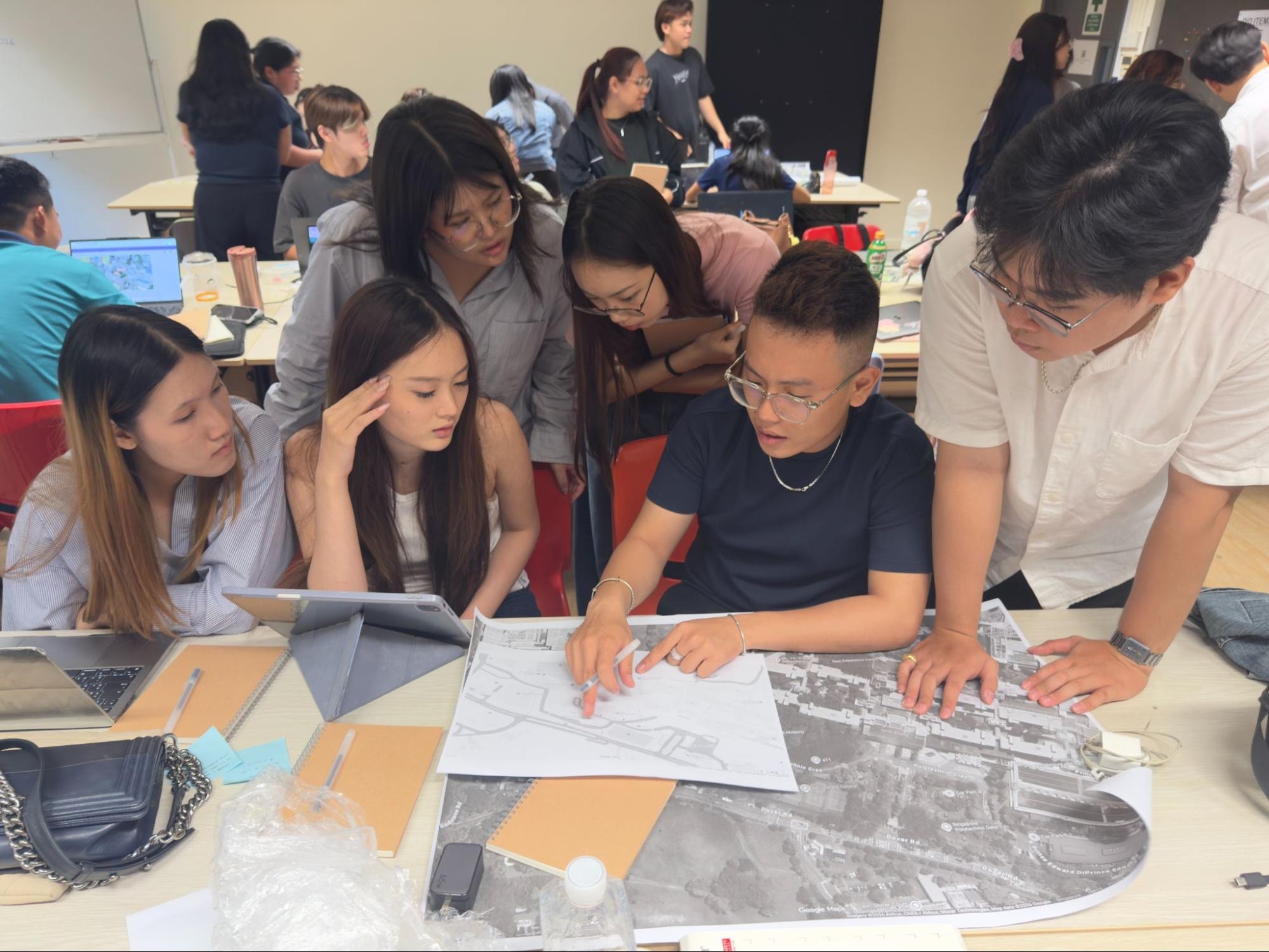
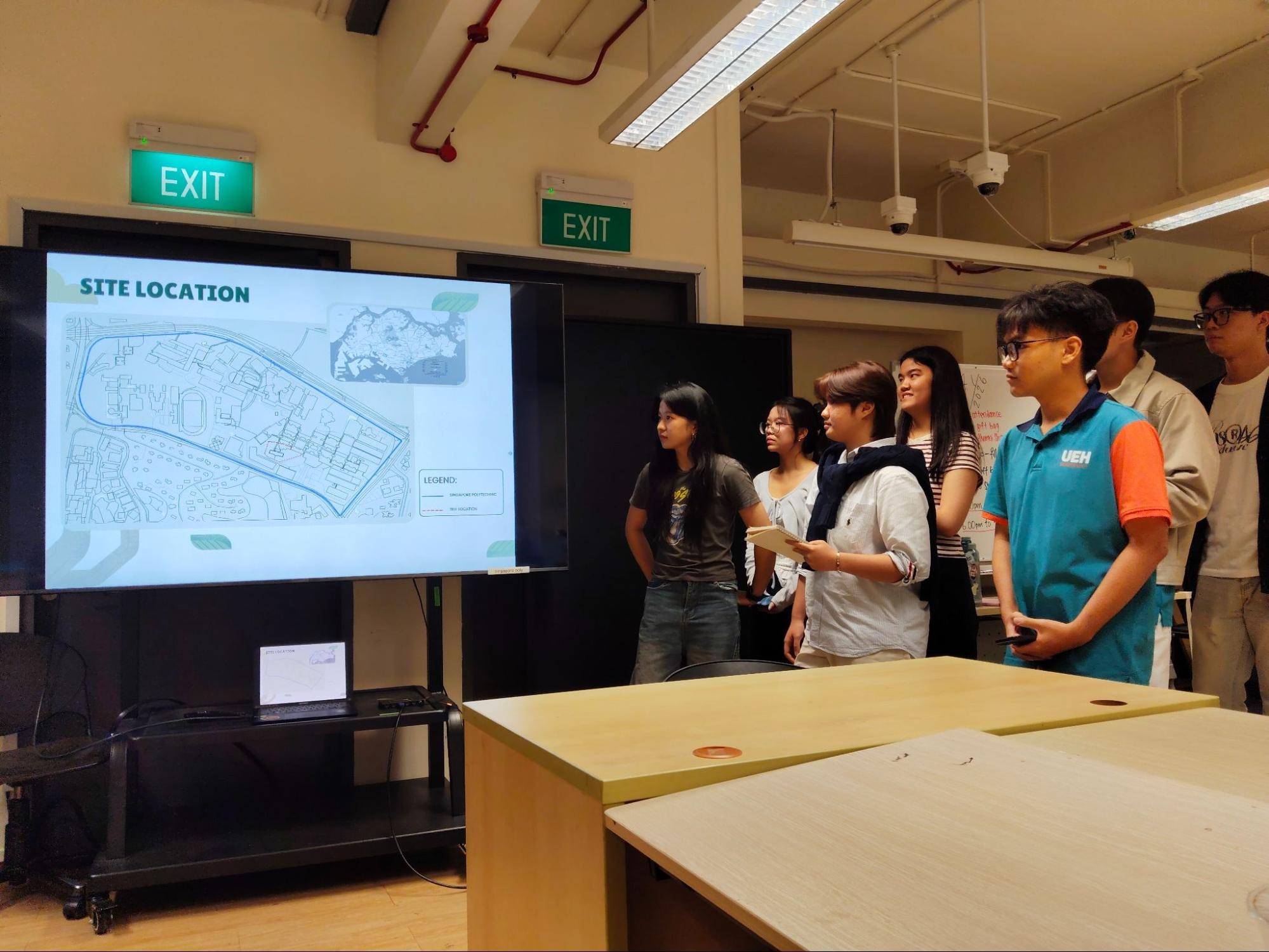
The project site was the historic Moberly Building within the Singapore Polytechnic campus. Rich in cultural and historical significance, the building is currently underutilized despite its considerable potential. Against this backdrop, students were challenged with a key question:
How might Moberly be better connected to students, the wider campus community, and society beyond, while becoming a future-oriented model for learning and social engagement?
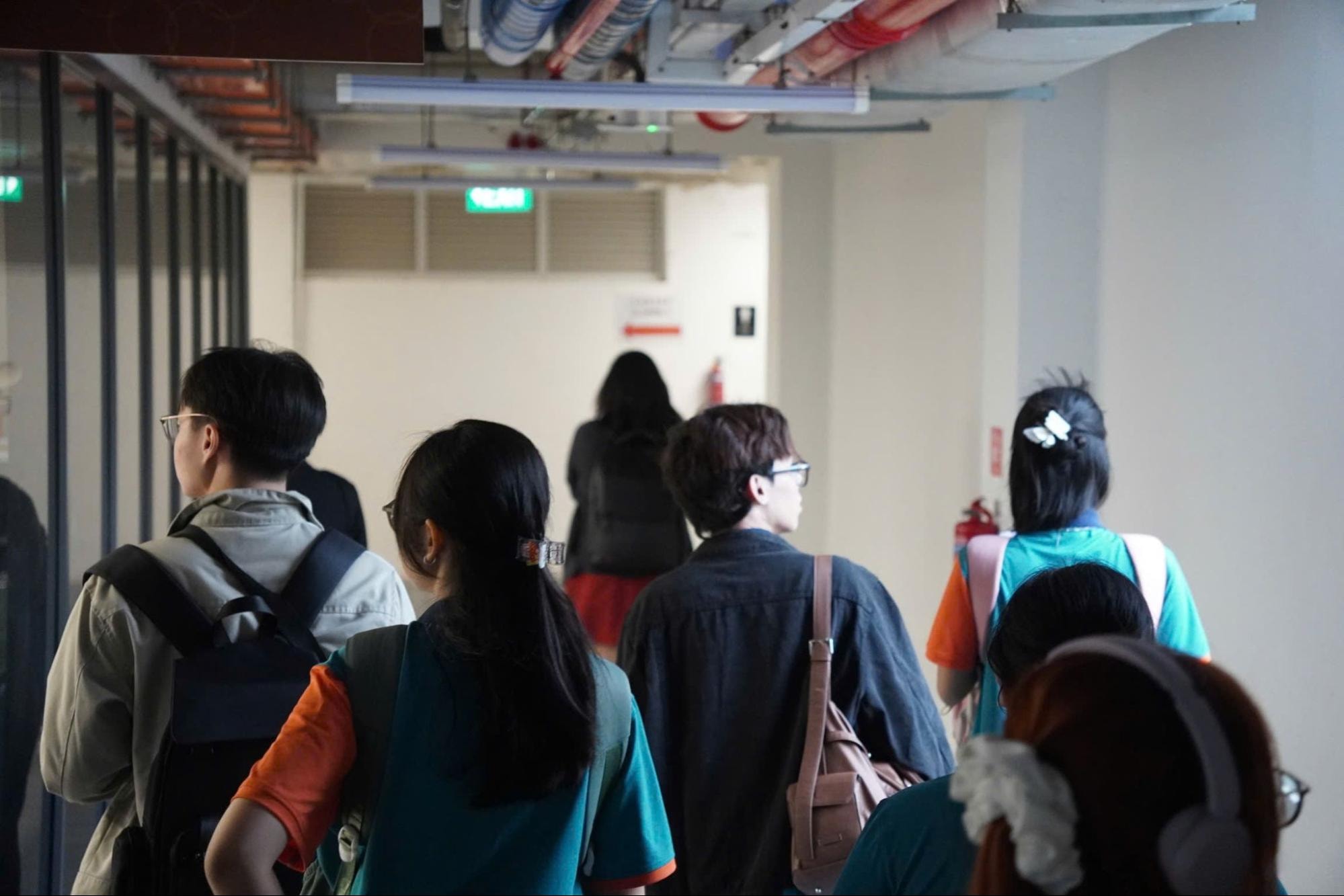
Over four intensive days, student teams conducted site surveys, user research, stakeholder analysis, and collaborative design explorations to develop human-centered and sustainable strategies for revitalizing the Moberly precinct.
Interdisciplinary Collaboration Across Borders
One of the defining features of the workshop was its interdisciplinary approach. Students from architecture, landscape, and design-related disciplines worked alongside peers from business and management backgrounds, allowing teams to approach the challenge from multiple perspectives. This diversity of expertise enabled participants to combine spatial thinking, development strategies, user experience considerations, and implementation feasibility into their proposals. At the same time, the workshop provided valuable opportunities for students to strengthen their international teamwork, cross-cultural communication, and problem-solving skills in a real-world context.
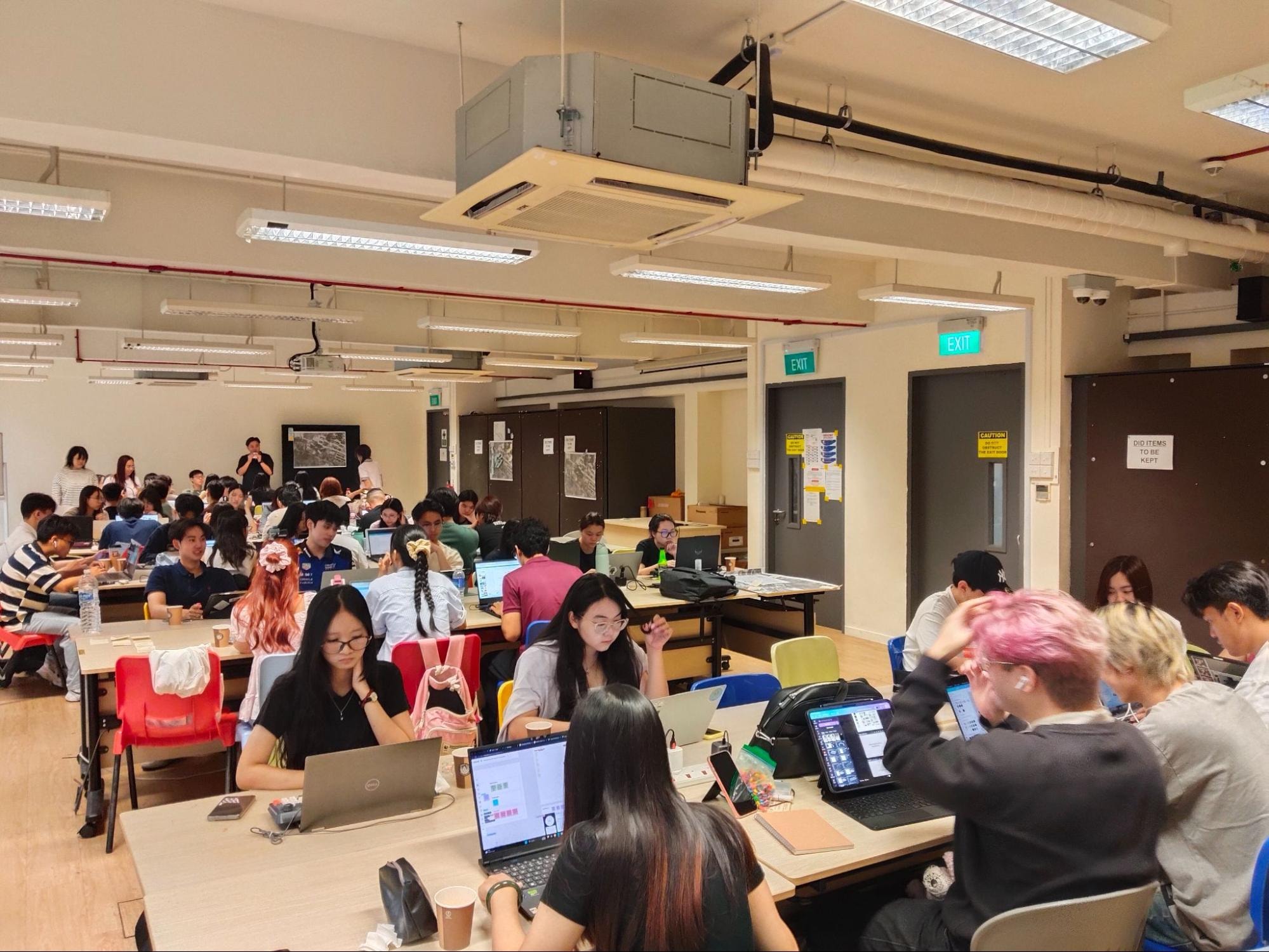
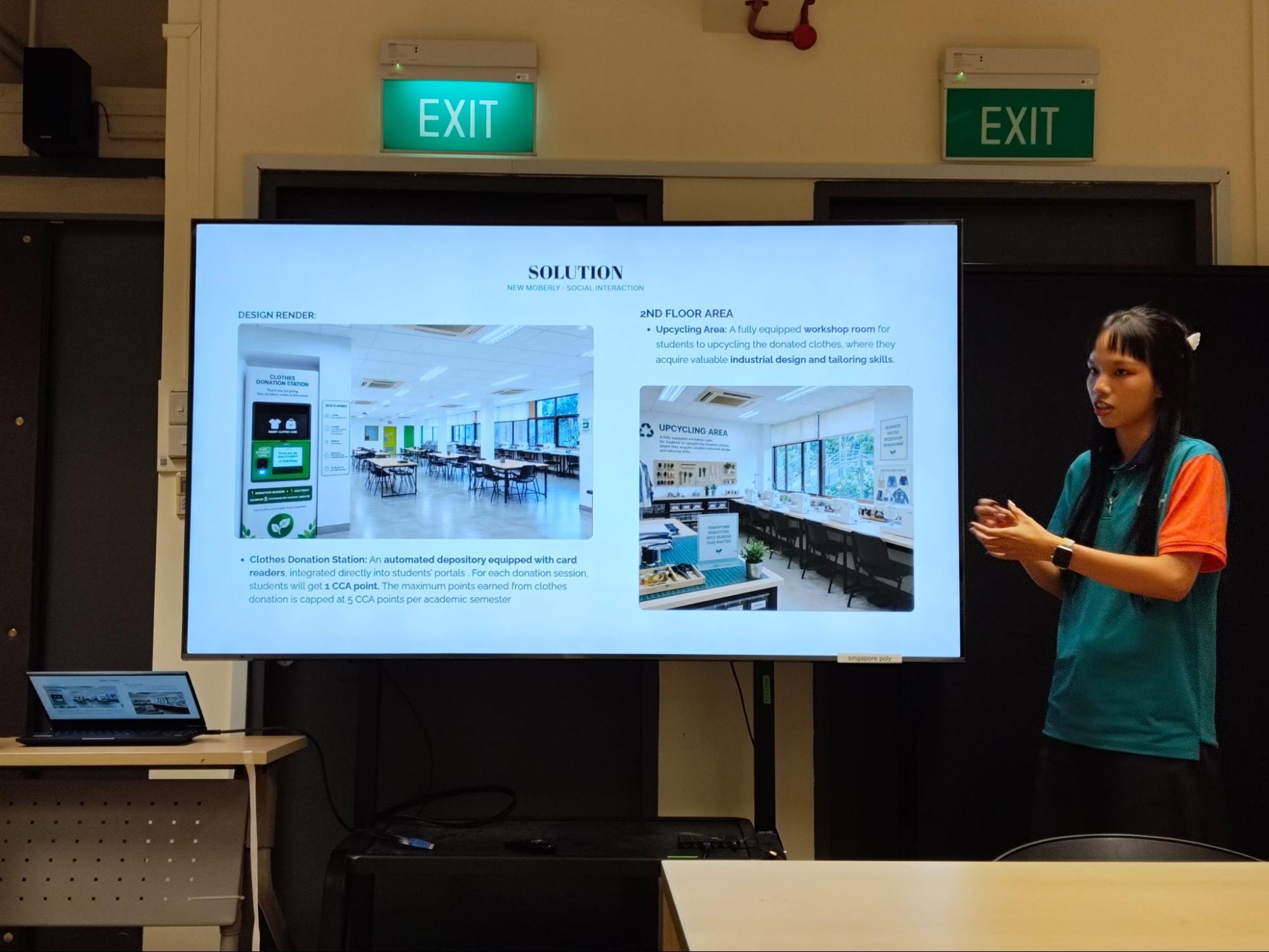
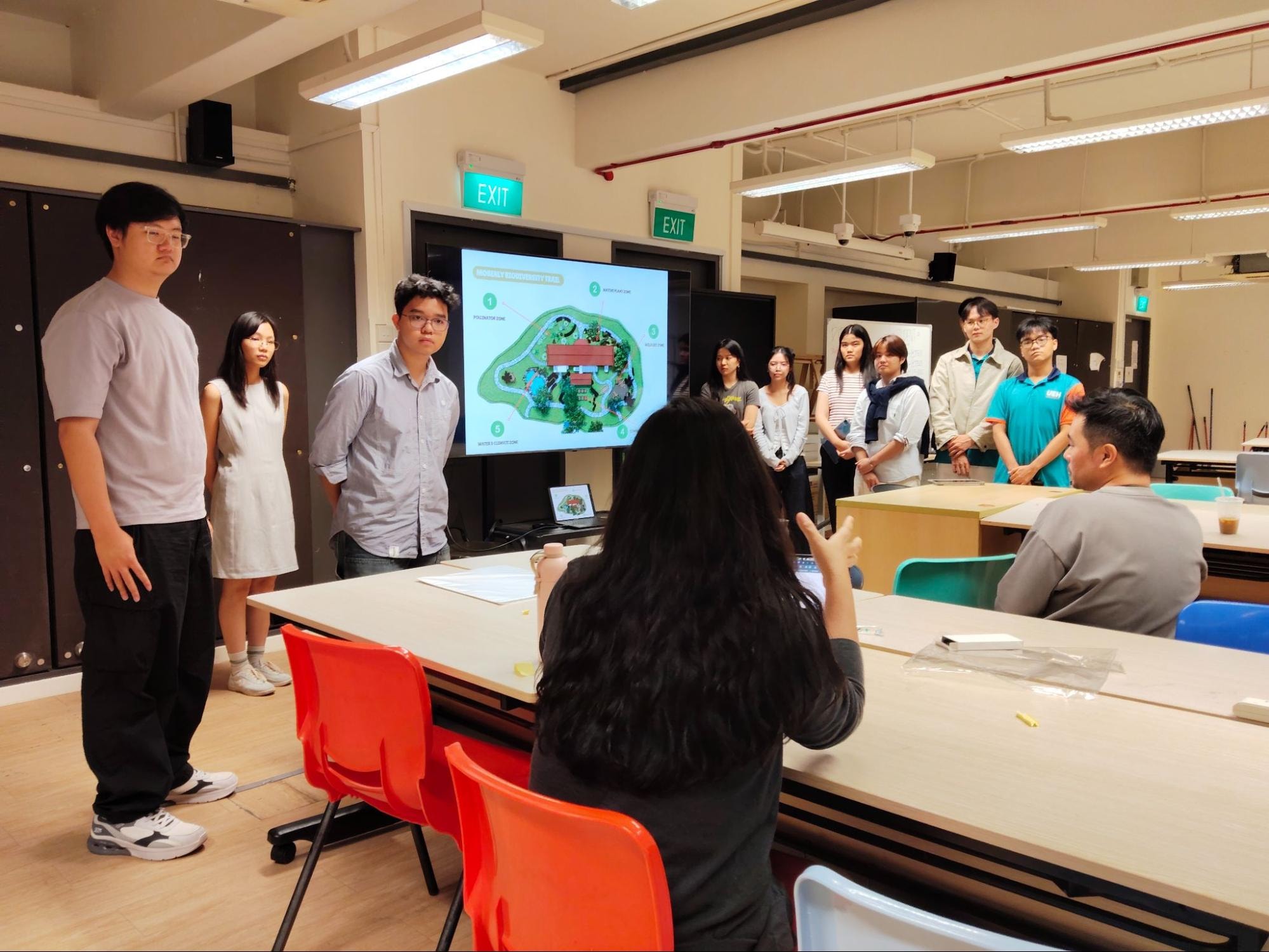
The final outcomes of the workshop demonstrated the diversity and creativity of students’ interpretations of sustainability. Drawing inspiration from themes such as culture, lifestyle, environment, community, architecture, and technology, the teams proposed a wide range of innovative ideas aimed at revitalizing the Moberly Building and transforming it into a more vibrant destination for students and the wider community. Many proposals focused on creating spaces for cultural exchange, community activities, open learning environments, and creative programmes for young people. Other teams explored ecological approaches, including biodiversity enhancement, green infrastructure, and environmental improvement strategies. Several groups investigated the potential of circular economy models, sustainable lifestyles, and technological solutions to enrich user experiences and encourage more sustainable behaviors.
Despite their different approaches, all proposals shared a common ambition: to preserve and celebrate the cultural and historical value of Moberly while adapting the space to the evolving needs, lifestyles, and aspirations of future generations.
Advancing International Collaboration for Sustainable Development
Beyond its academic outcomes, the workshop served as a platform for students from Vietnam, Singapore, and Thailand to learn from one another, exchange ideas, and jointly develop responses to contemporary urban challenges.
Through this hands-on experience, participants not only enhanced their professional knowledge and skills but also developed interdisciplinary thinking, international collaboration competencies, and a deeper understanding of the role of design in shaping a more sustainable future.
The success of the workshop has further strengthened the partnership between Singapore Polytechnic, Thammasat University, and UEH, while opening new opportunities for future collaboration in education, research, and student exchange programmes.
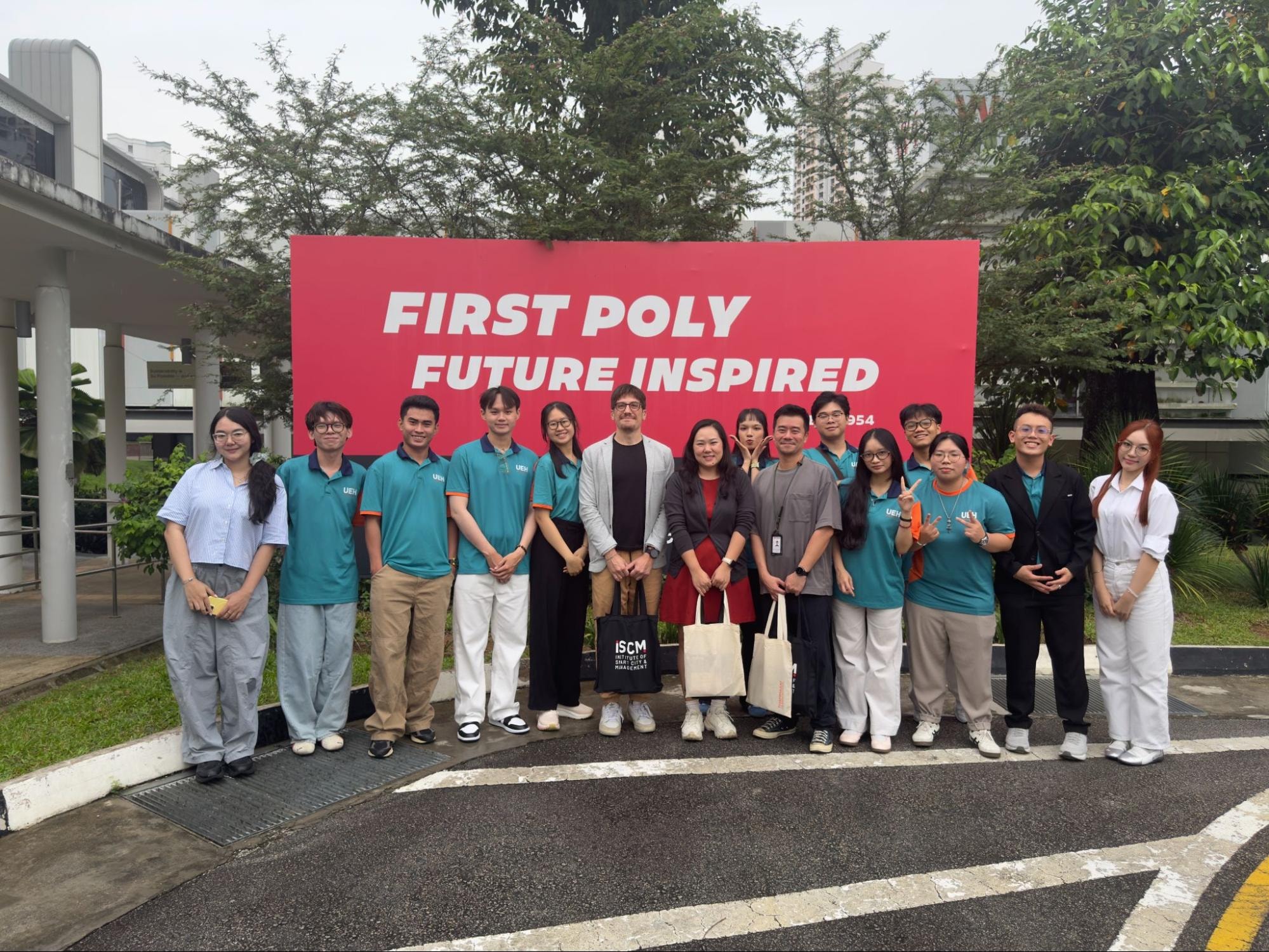
With a spirit of co-creation and cross-border learning, the workshop demonstrates the growing importance of international collaboration in nurturing globally minded citizens capable of creating more sustainable, inclusive, and livable cities for future generations.
News and photos: Institute of Smart City and Management (ISCM)