
SEOUL - AN OPEN URBAN CLASSROOM FOR ISCM MASTER’S STUDENTS


From October 28 to November 1, 2026, the Institute of Smart City and Management (ISCM), University of Economics Ho Chi Minh City (UEH), organized an experiential study trip to Seoul, South Korea, for students of the Master of Smart City and Innovation Management (MSCIM) programme. Beyond exploring one of Asia’s leading metropolitan cities, the trip offered an immersive learning environment where students could observe, analyse, and critically reflect on smart and sustainable urban development practices and their relevance to Vietnam.
The programme brought together 13 master’s students, accompanied by Ms. Tran Thi Quynh Mai, PhD Candidate and Deputy Director of ISCM, and Dr. Do Le Phuc Tam, Director of the Bachelor’s Programme in Architecture and Smart Urban Design.
Organized as part of the Seminar Smart City Experiment and StudioLab Smart and Livable Cities courses, the study trip focused on four interconnected themes: Smart City, Public Space, Residential Development, and Night-time Economy.
FROM SMART MOBILITY TO DATA-DRIVEN URBAN GOVERNANCE
One of the key learning experiences involved exploring Seoul’s integrated public transportation system and urban management practices.
Through first-hand experiences with buses, metro services, and autonomous shuttle buses, students examined how transport connectivity, emerging technologies, and service integration contribute to more efficient and accessible urban mobility. A particularly valuable visit was to the Seoul Transport Operation and Information Service (TOPIS), where students explored how traffic data, monitoring systems, and real-time information are integrated to support transport operations, incident management, and public services. Visits to the Smart City Seoul exhibition and the Seoul Hall of Urbanism & Architecture further provided insights into the city's transformation, highlighting the relationship between urban planning, infrastructure development, and technological innovation.
These experiences reinforced an essential principle: a smart city is defined not simply by its adoption of advanced technologies, but by its ability to use technology and data to address real urban challenges, strengthen governance, and improve quality of life.
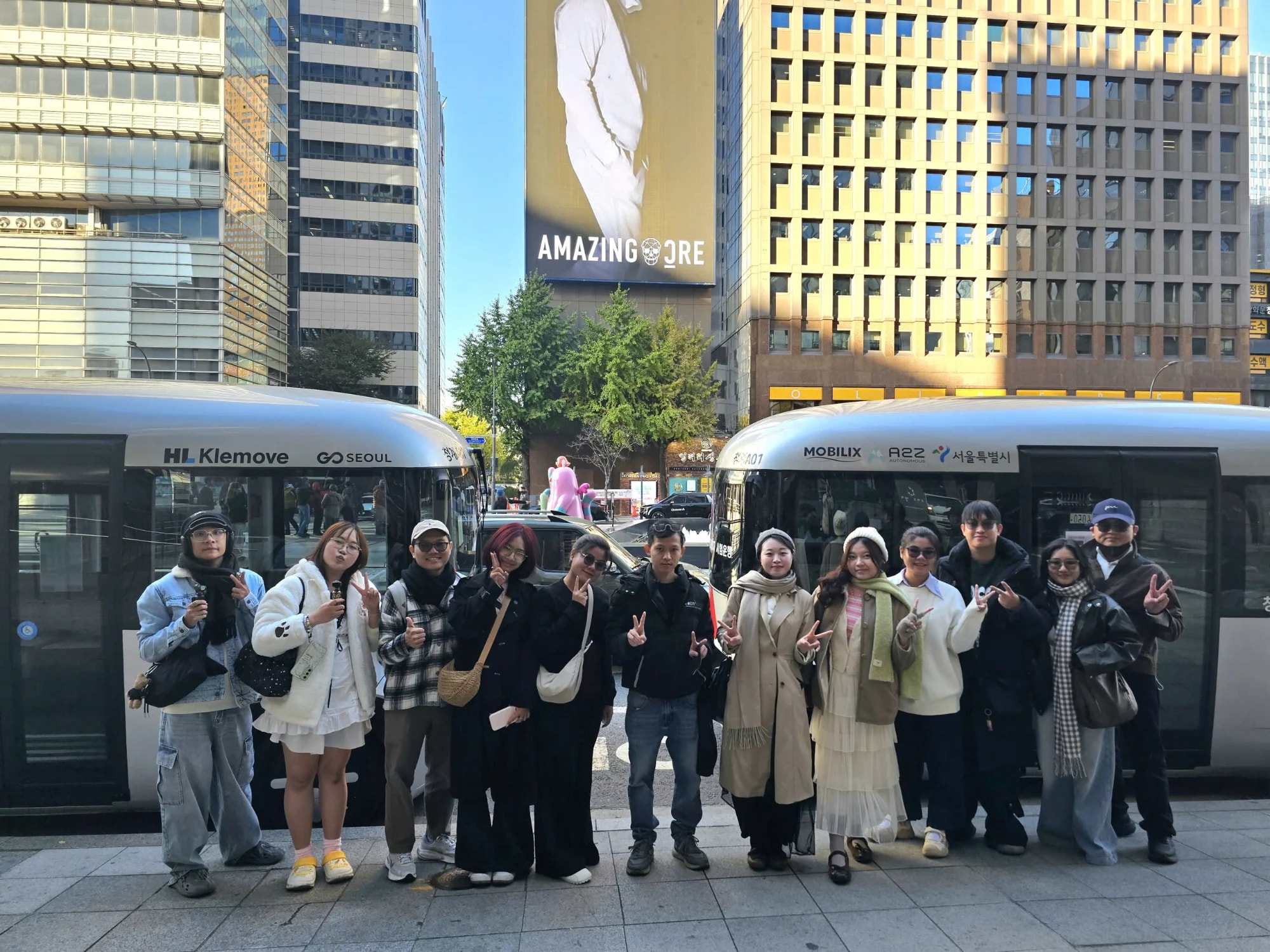
MSCIM students experiencing an autonomous shuttle bus in Seoul
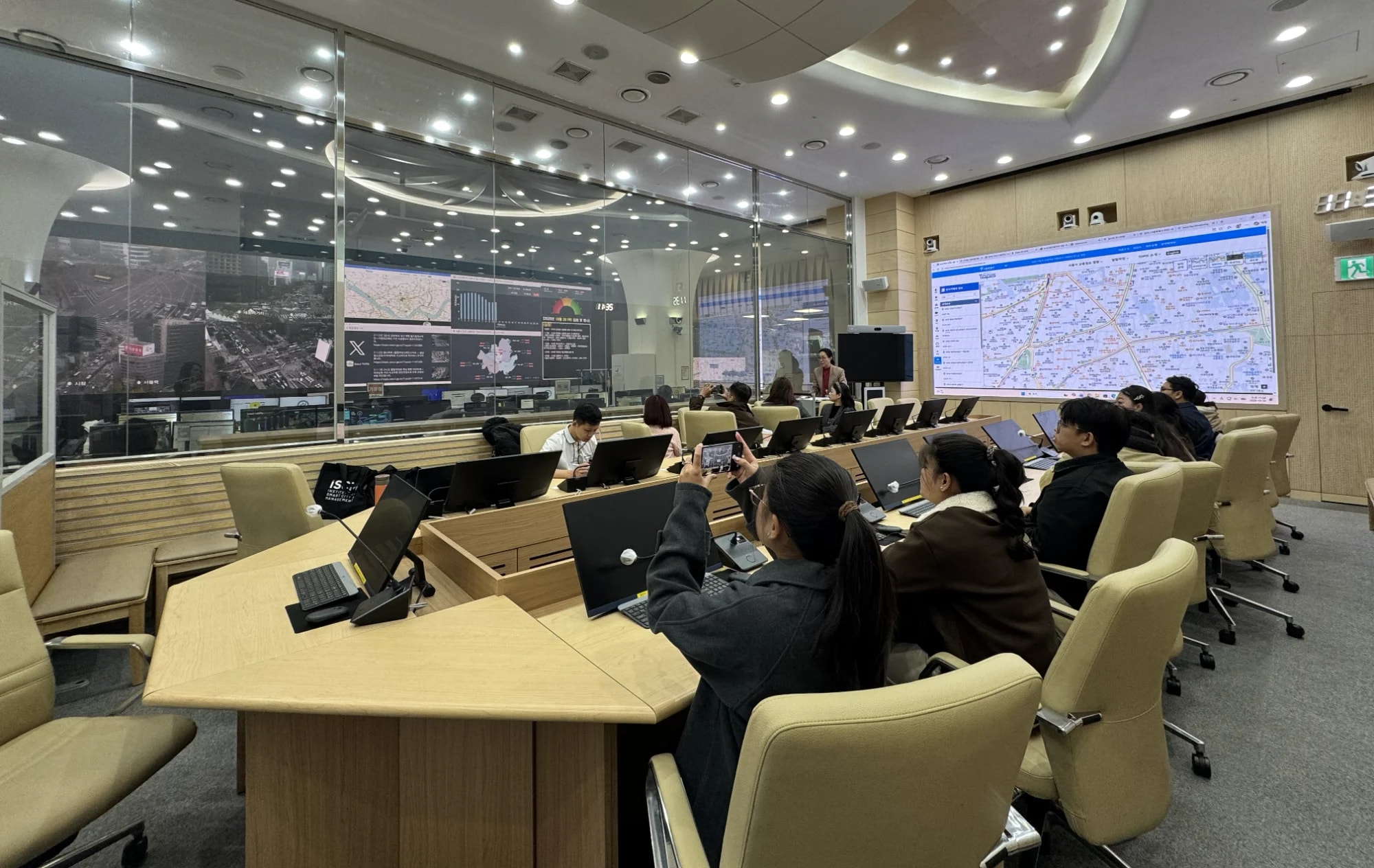
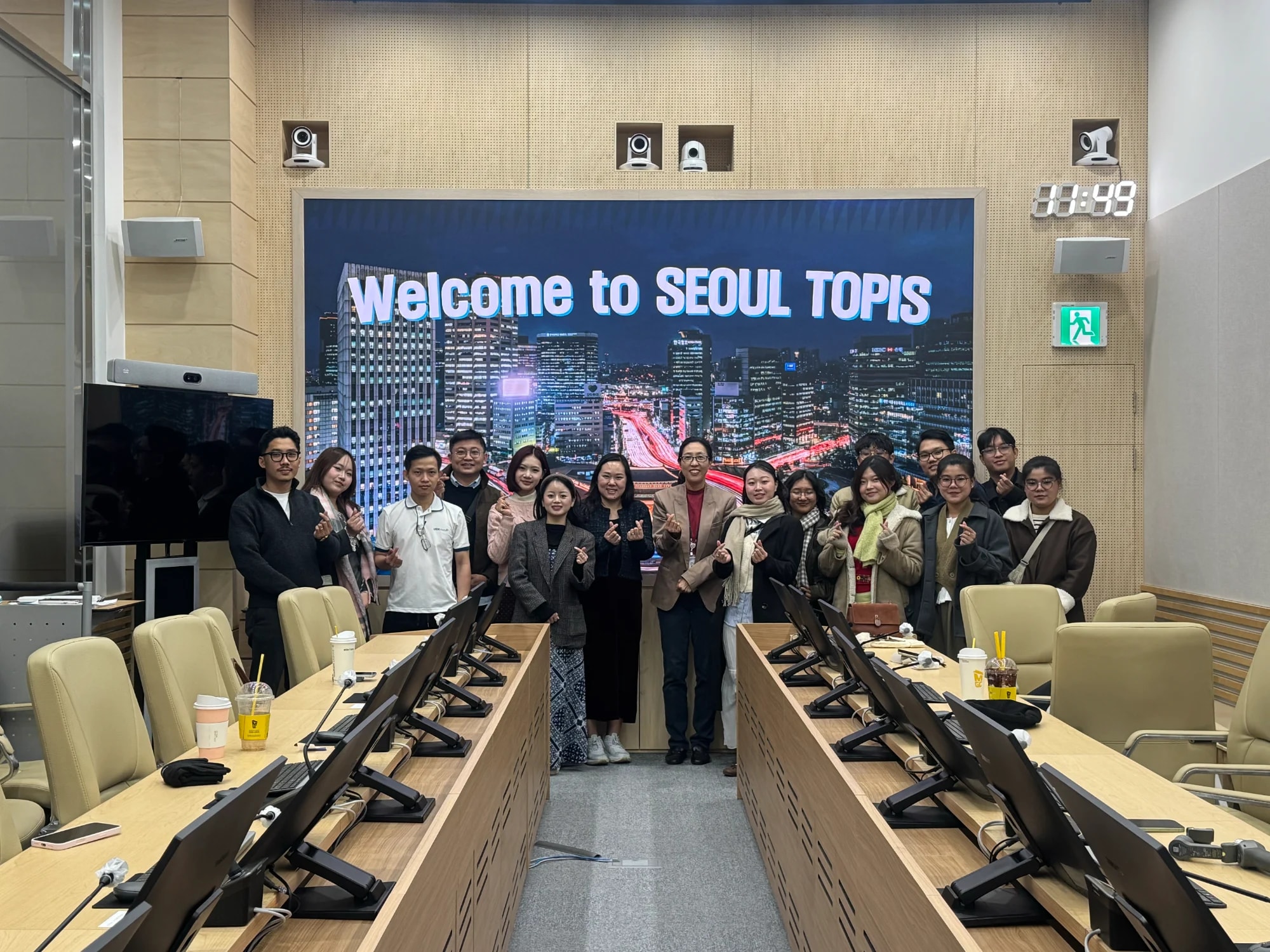
Students exploring data-driven traffic management at TOPIS
PUBLIC SPACE, URBAN REGENERATION, AND QUALITY OF LIFE
Beyond technological innovation, the programme placed strong emphasis on understanding how Seoul creates human-centred and inclusive urban environments.
At Cheonggyecheon Stream, students explored an internationally recognised example of urban regeneration through waterway restoration and public space revitalisation. The project demonstrated how green-blue infrastructure, pedestrian connectivity, and community-oriented spaces can contribute to environmental improvement and urban liveability. Field observations at Seoul Forest, Yeouido Hangang Park, and Yeouido Park provided further opportunities to examine green space accessibility, pedestrian networks, public amenities, and the diverse needs of urban residents. Meanwhile, Ikseon-dong and Seongsu-dong offered contrasting perspectives on heritage conservation, adaptive reuse, and neighborhood regeneration. From traditional hanok buildings to former industrial facilities transformed into cultural and creative destinations, students analyzed how local identity, economic development, and community interests interact.
These examples also raised important governance questions: How can commercial development be balanced with heritage preservation? How can urban regeneration create new economic opportunities without undermining the affordability and social continuity of existing neighborhoods? Such questions are particularly relevant to Vietnam's ongoing urban renewal and sustainable development efforts.
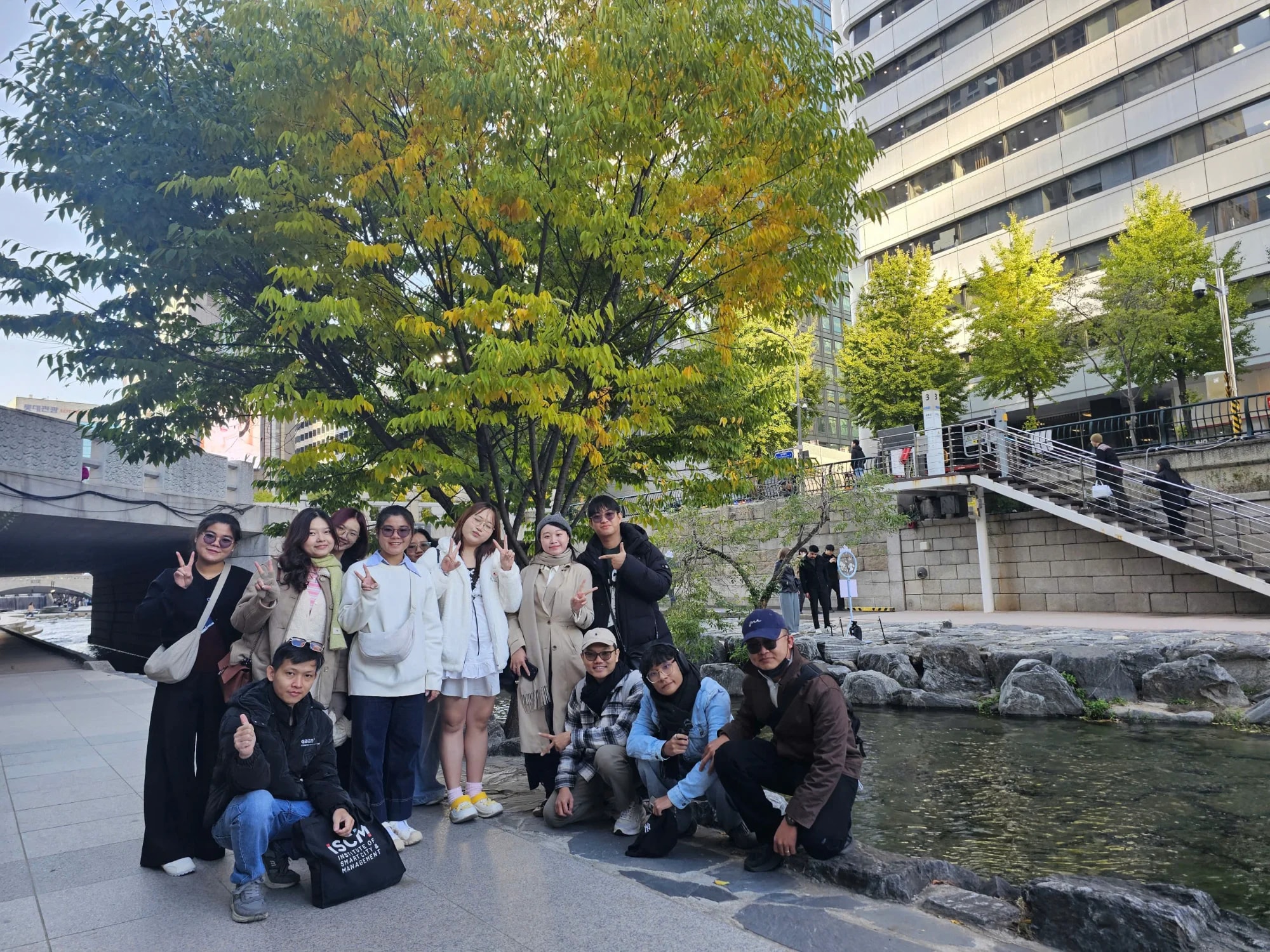
MSCIM students exploring public space along Cheonggyecheon Stream
RESIDENTIAL DEVELOPMENT AND THE NIGHT-TIME ECONOMY
At Cheongnyangni Station and its surrounding market district, students examined the principles of Transit-Oriented Development (TOD), focusing on the relationship between transport infrastructure, commercial activities, local services, and residential life. The study also explored Seoul's vibrant night-time economy through observations in Myeongdong, Hongdae, Jonggak, Dongdaemun, and Euljiro. These districts provided practical opportunities to analyze commercial activities, street design, lighting, transportation, and supporting services. From an urban governance perspective, students considered how economic vitality must be balanced with public safety, environmental quality, noise management, and accessibility.
Together, these observations highlighted the importance of integrating spatial planning with public policy, operational management, and community needs in developing vibrant and sustainable urban environments.
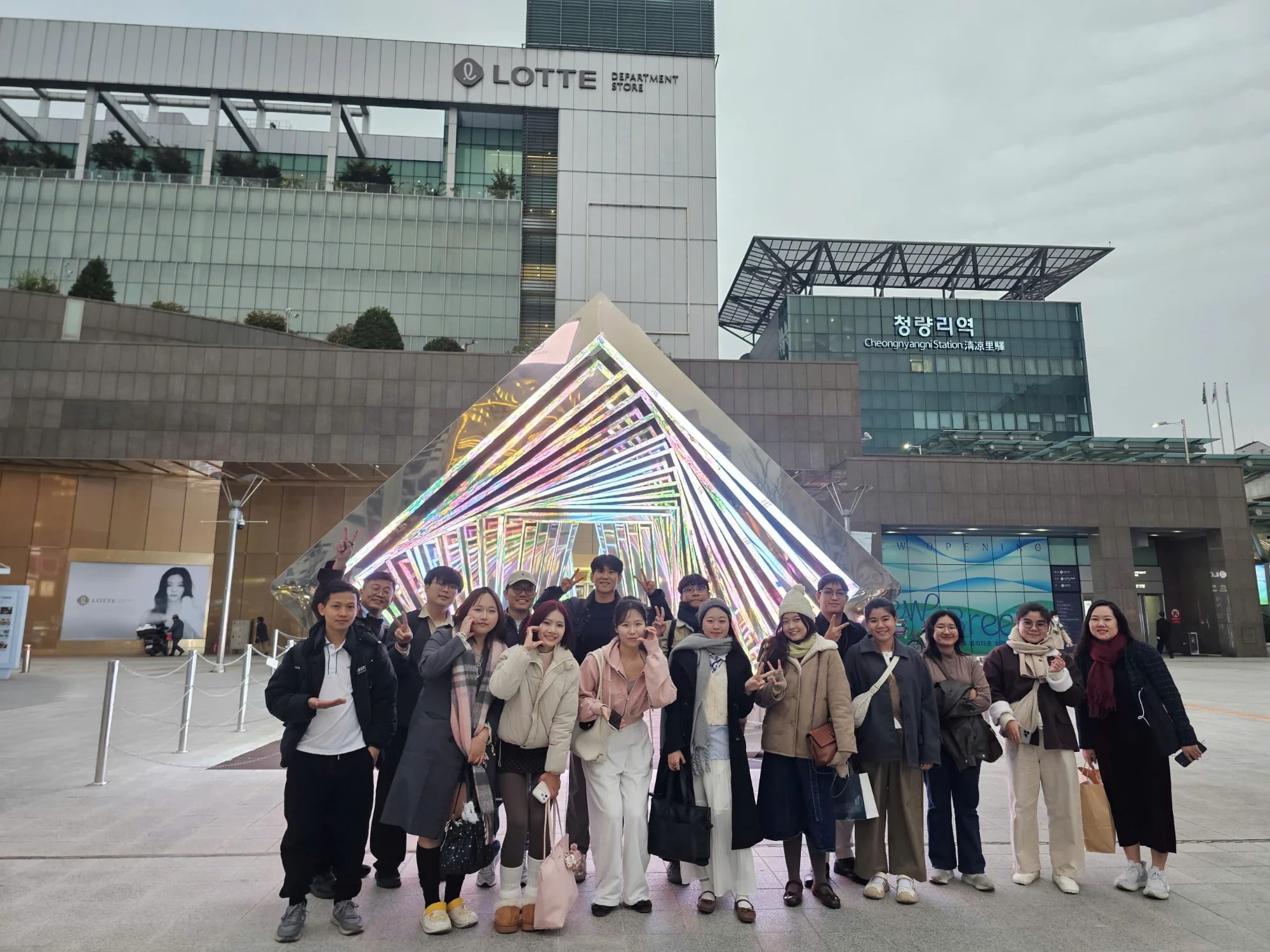
Exploring the integrated urban complex in Cheongnyangni, Seoul, featuring a railway station, bus terminals, commercial and service facilities, and large-scale residential developments.
STRENGTHENING INTERNATIONAL ACADEMIC EXCHANGE
A major highlight of the programme was an academic workshop bringing together ISCM students and students from the Department of Smart City at the University of Seoul, facilitated by Professor Jinhyun Hong, Head of the Department.
Through discussions of urban projects and challenges in Vietnam and South Korea, participants exchanged perspectives on research methodologies, urban development strategies, and practical approaches to smart city management. The workshop provided a valuable platform for international academic engagement, encouraging interdisciplinary dialogue and creating opportunities to identify shared research interests and potential future collaboration.
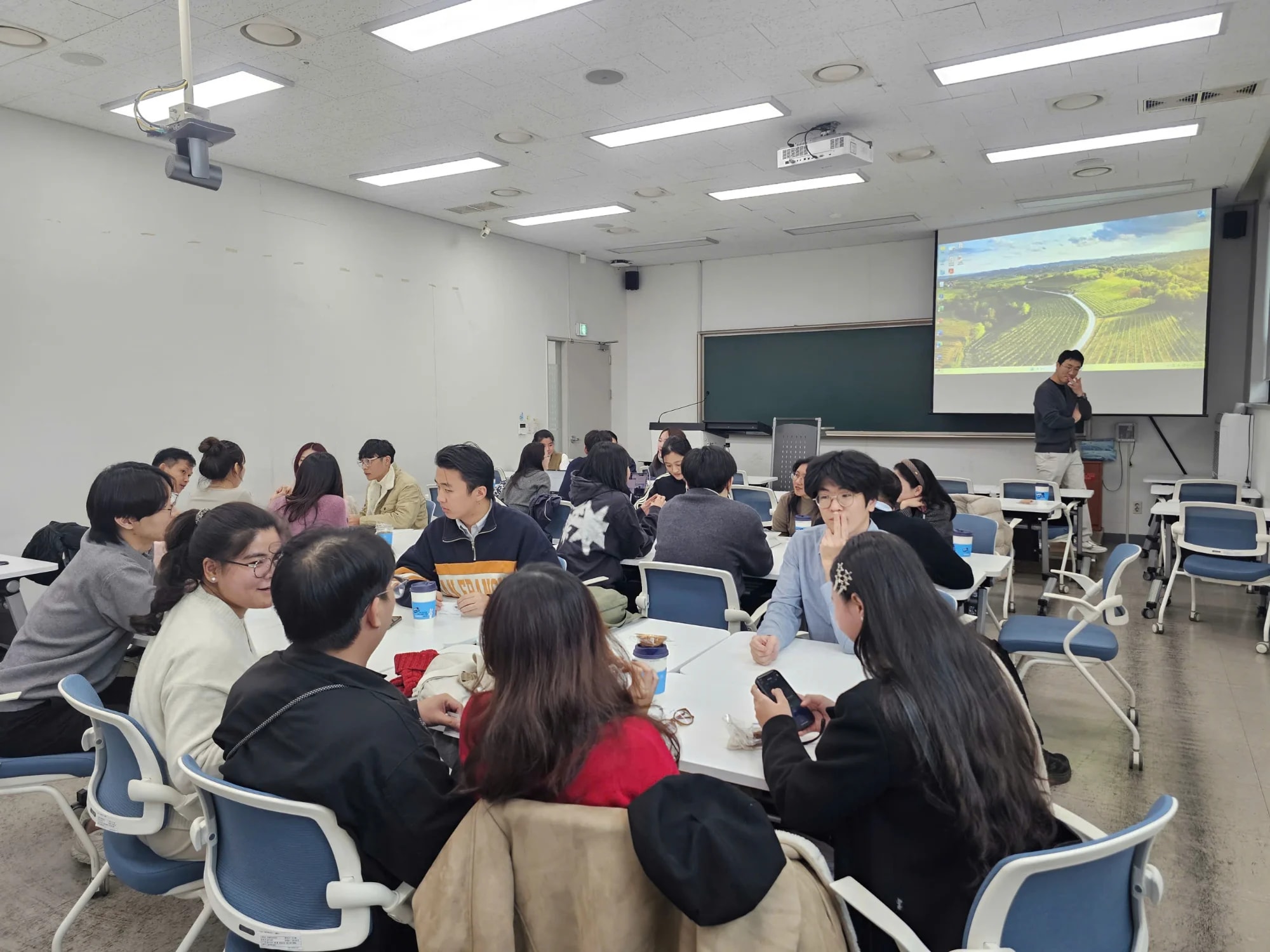
ISCM students participating in an academic workshop at the University of Seoul
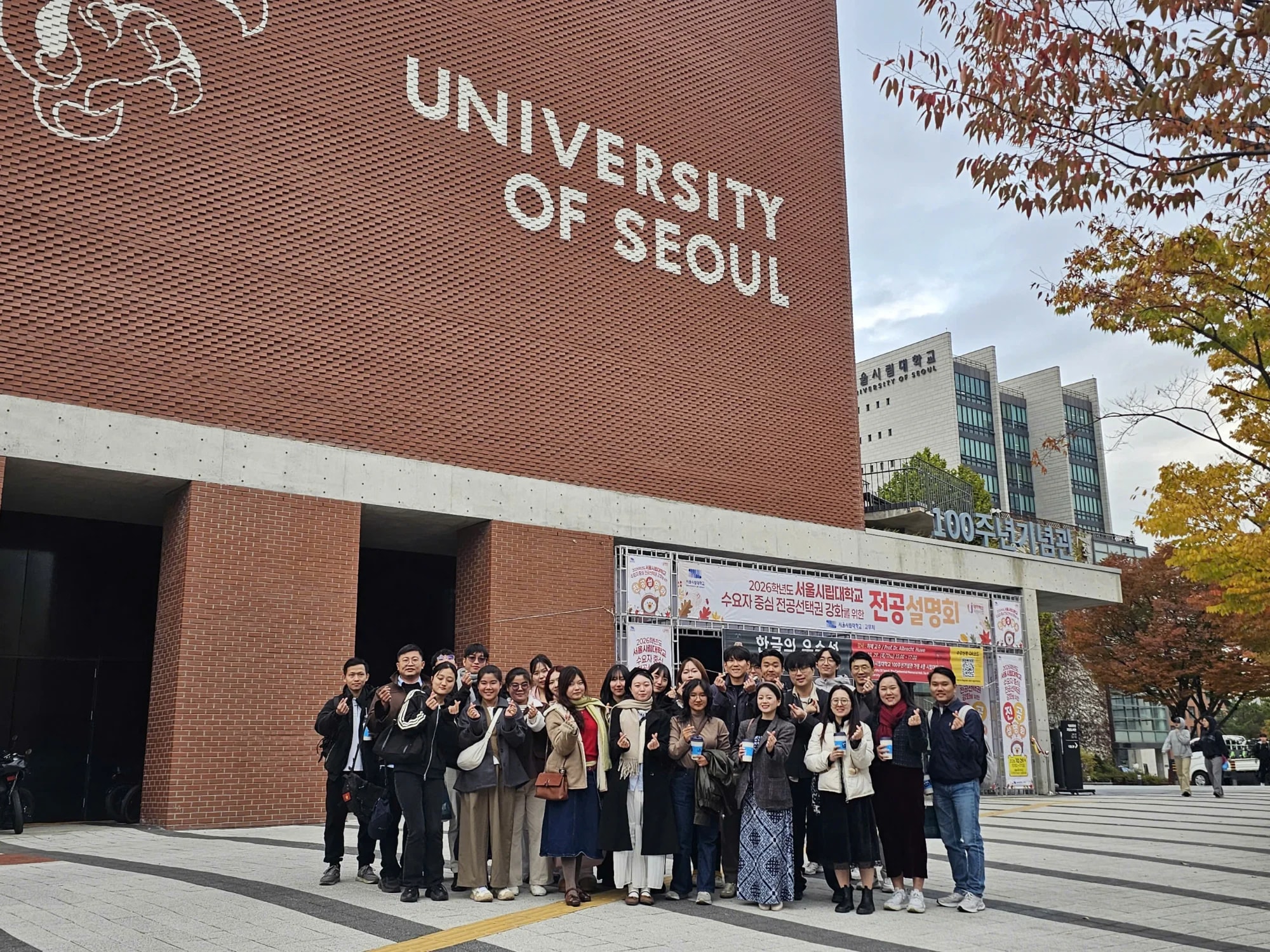
ISCM students and lecturers during their academic exchange at the University of Seoul
CONNECTING INTERNATIONAL EXPERIENCE WITH VIETNAM'S URBAN FUTURE
At the conclusion of the five-day programme, students had gained not only practical knowledge but also a broader interdisciplinary understanding of the relationships between technology, planning, governance, economic development, and community well-being. The Seoul experience demonstrated that international urban development models cannot simply be replicated. Their relevance and applicability must be carefully assessed against local institutional frameworks, available resources, infrastructure conditions, and community priorities. These insights provide a foundation for further research and the development of context-sensitive solutions to urban challenges in Vietnam.
For ISCM, the study trip reflects its commitment to practice-oriented education, student-centred learning, and international academic engagement. By integrating experiential learning, project-based research, and interdisciplinary approaches, the MSCIM programme aims to develop professionals capable of analysing complex urban challenges and contributing to smarter, more liveable, and sustainable cities.
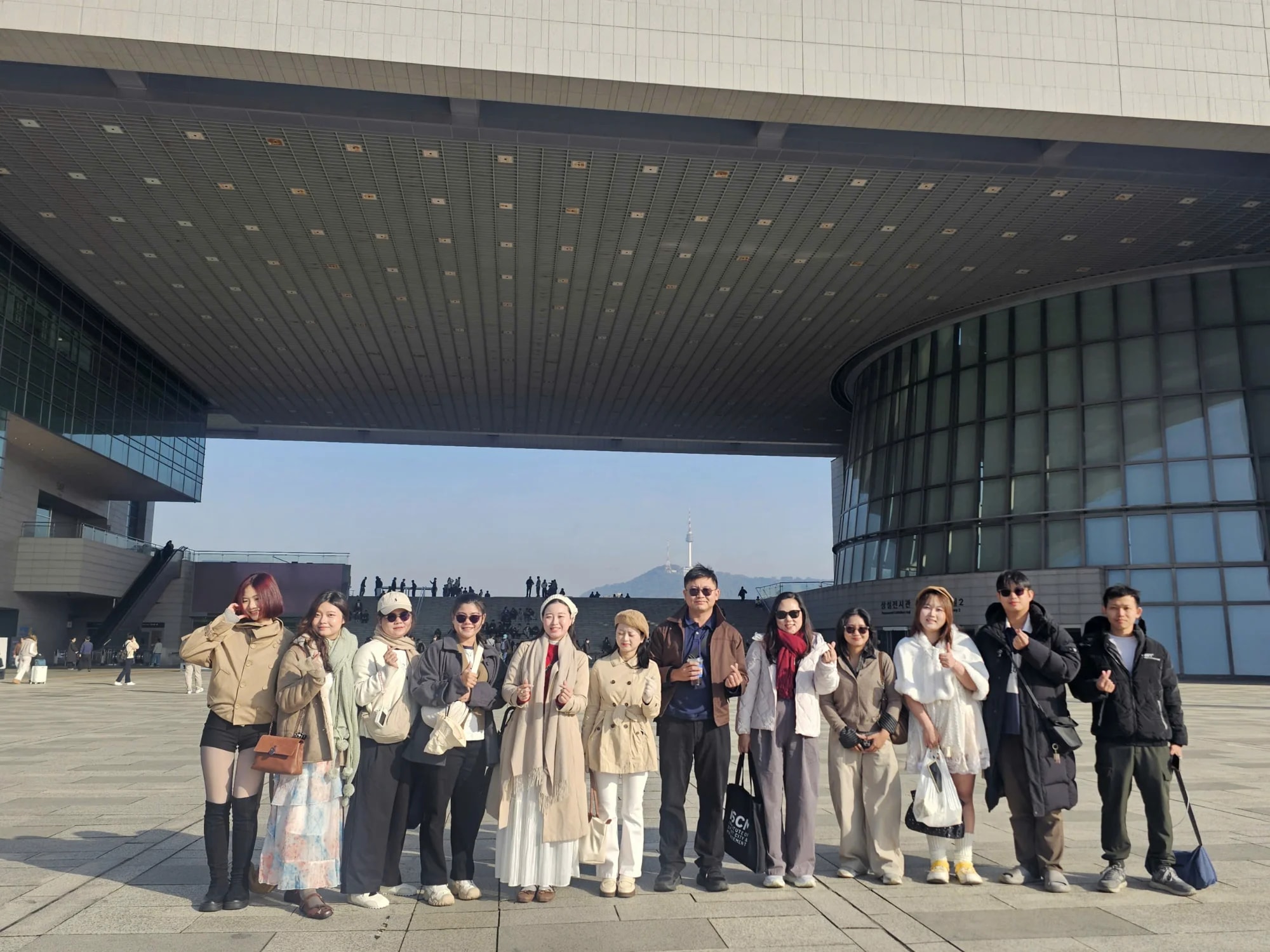
ISCM lecturers and MSCIM students during their Seoul study trip
ABOUT THE MASTER OF SMART CITY AND INNOVATION MANAGEMENT PROGRAMME
The Master of Smart City and Innovation Management (MSCIM) at ISCM, UEH is a two-year postgraduate programme integrating technology, urban planning, and urban governance. Combining academic knowledge with StudioLab activities, applied research, and international learning experiences, the programme equips students with interdisciplinary perspectives, analytical capabilities, and innovative approaches to addressing contemporary urban challenges.
Learn more about the programme at: https://iscm.ueh.edu.vn/
Article and photos by: Phuc Tam