
From building model to smart-city platform: The Building Information Modeling (BIM) course


The Building Information Modeling (BIM) course at the Institute of Smart City and Management (ISCM) is built on a core premise: BIM is not 3D drawing, but a process for managing a building's information across its entire lifecycle. Over 12 sessions, students engage with the subject not only through theory but by building models directly on a real project.
ISCM's teaching approach centers on project-based practice. Students work on a real site, following the full lifecycle of a building — from the initial design stage to the point where the model becomes a data foundation for smart-city management.
BIM is defined as the process of creating, managing and exploiting a building's information throughout its lifecycle. In a BIM model, every component — from walls and columns to mechanical and electrical systems — carries complete information on materials, manufacturer, cost and carbon emissions. This data layer is the core value of BIM, and exploiting it effectively requires the integration of three elements: People, Process and Technology.
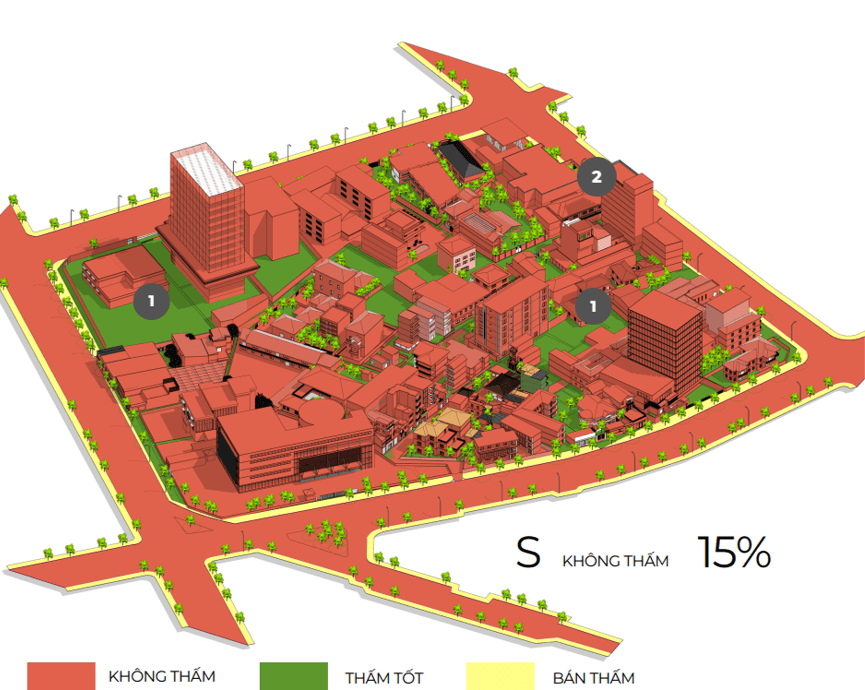
An urban BIM model for a Smart City platform — a final project by ISCM students
The class is organized as a hands-on studio of 35 students divided into 7 groups. Each group is assigned a site and pursues the same project throughout the course. Roles within each group rotate by phase — architecture, structure, mechanical-electrical-plumbing (MEP), cost, and operation — so that every student approaches the project from the perspective of all the disciplines involved.
Rather than isolated exercises, students pursue one continuous project throughout the course. The model created in the design stage becomes the input data for the construction, operation and urban-integration stages — mirroring the real BIM workflow in professional practice.
The course content is structured into four stages, corresponding to the main milestones in a building's lifecycle.
Part I — BIM for Design
The design stage focuses on theoretical and practical foundations: the concept of BIM, the structure of the Common Data Environment (CDE), the ISO 19650 standard and the EIR/BEP document system. Students use Revit to build discipline-specific models — architecture, structure, mechanical-electrical — at LOD 200–300, then federate them into an integrated multidisciplinary model. The workflow includes working on a Central File, file-naming standards, creating views and producing drawings in line with the requirements of a real project.
Part II — BIM for Construction
In the construction stage, the design model is extended into the fourth dimension (4D scheduling) and the fifth dimension (5D cost). Students use Navisworks to detect interdisciplinary clashes (clash detection) and to simulate construction progress; they also extract quantities and calculate costs directly from the model. The course adds carbon-emission analysis, bringing sustainability criteria into design decisions from the earliest stage.
Part III — BIM for Operation
The operation stage accounts for the largest share of a building's total lifecycle cost — estimated at around 80%. In this part, students take on the facility-management role: standardizing information by format, attaching asset data to each component, and developing a plan to integrate IoT sensors for real-time monitoring. The BIM model thereby becomes a building-information system serving the entire service life.
Part IV — BIM & Smart City
The final part reflects ISCM's research orientation in the field of smart cities. Students explore how building-level BIM models can be integrated into a city-scale Digital Twin, connected with GIS systems and open data standards. Through international case studies, students view BIM in a broader picture: from managing a single building to urban infrastructure and the data foundation of a smart city integrating AI and IoT.
Throughout the course, students work with an industry-standard toolset: Revit (architecture – structure – mechanical-electrical modeling), Navisworks (interdisciplinary coordination and 4D simulation), Excel (asset-data management) and GIS (urban-data integration). The goal is not merely tool proficiency but the formation of BIM thinking as a method of information management in design and construction.
The midterm requires each group to submit a complete Revit model together with a technical report. Submissions are assessed by their level of data integration: floor plans with room codes and functional zoning, structural models coordinated with architecture, interdisciplinary clash reports, quantity and cost schedules, 4D construction scheduling and carbon-emission heatmaps. A selection of representative works is presented below.
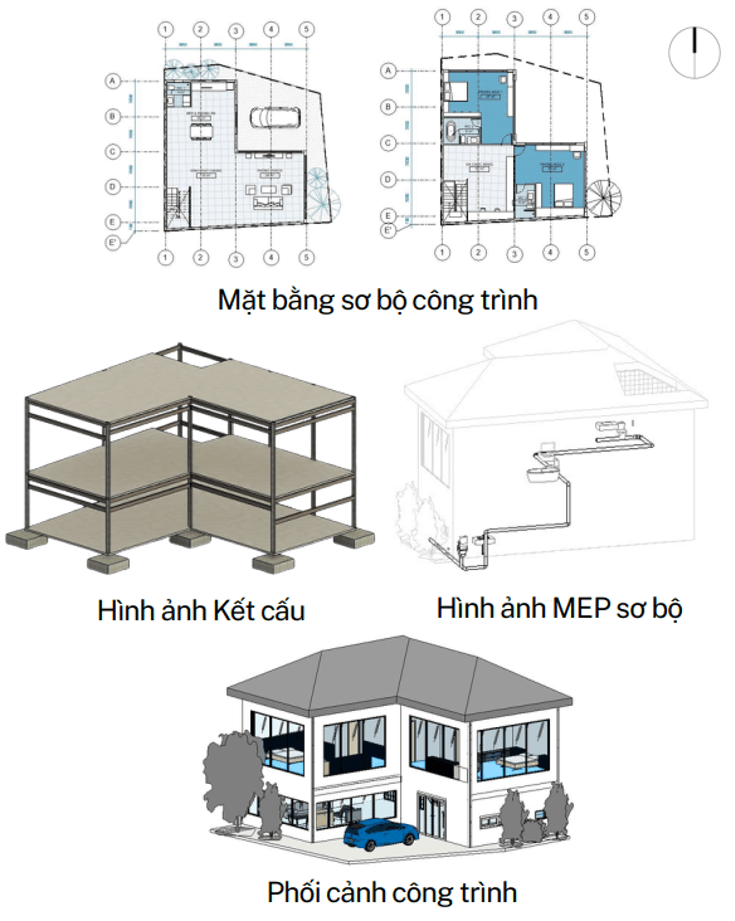
3D structural model built in Revit
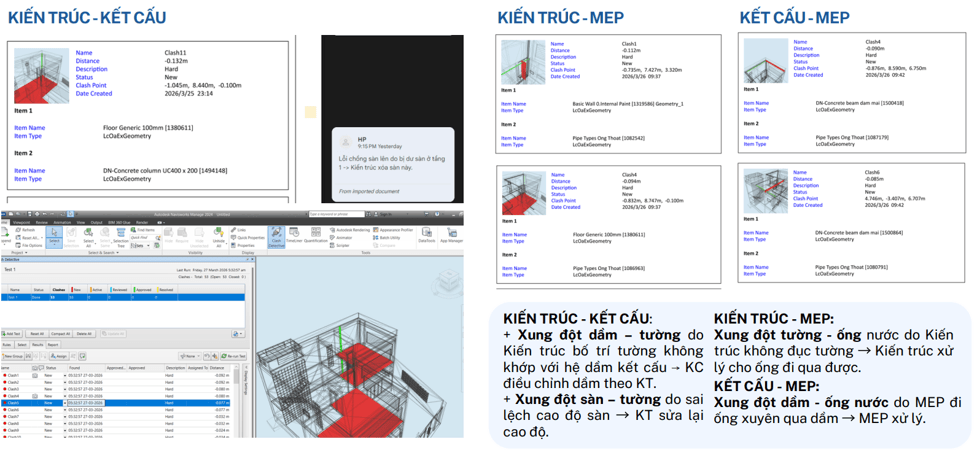
Interdisciplinary clash detection
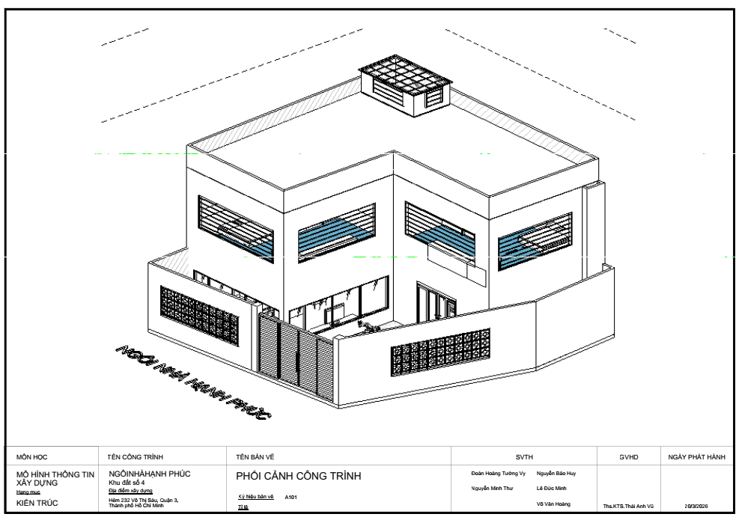
Perspective drawing generated directly from the BIM model
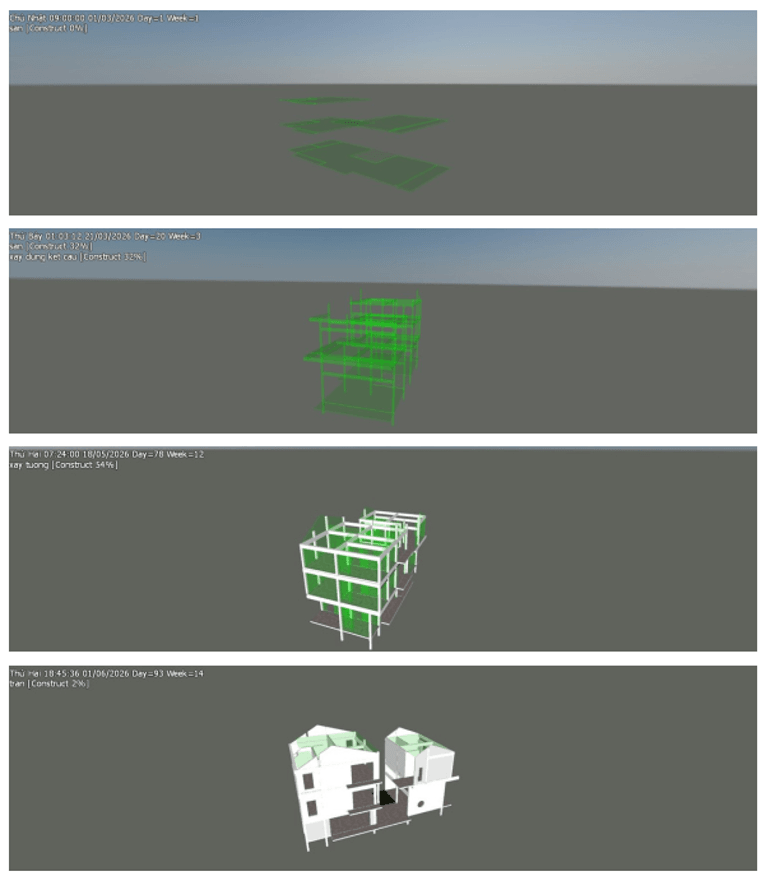
4D construction simulation — green indicates the active phase
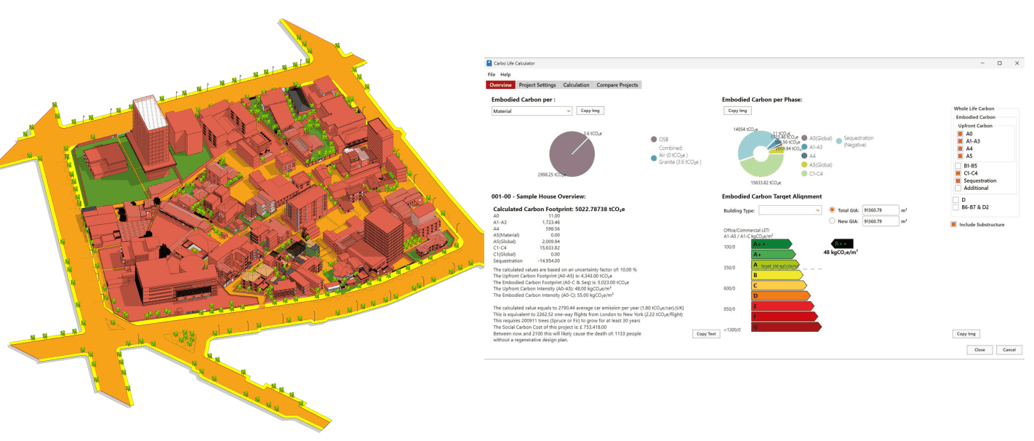
Carbon-emission heatmap by component
The final examination is carried out under the theme “Applying BIM to building a Smart City platform.” Students exploit BIM data through custom parameters, Schedules and Smart Views to analyze and propose solutions for a real urban problem: managing permeable surfaces and flood control, checking compliance with building codes, managing building assets, or analyzing existing conditions and area amenities. The course concludes with a group defense session in class. A selection of representative works:
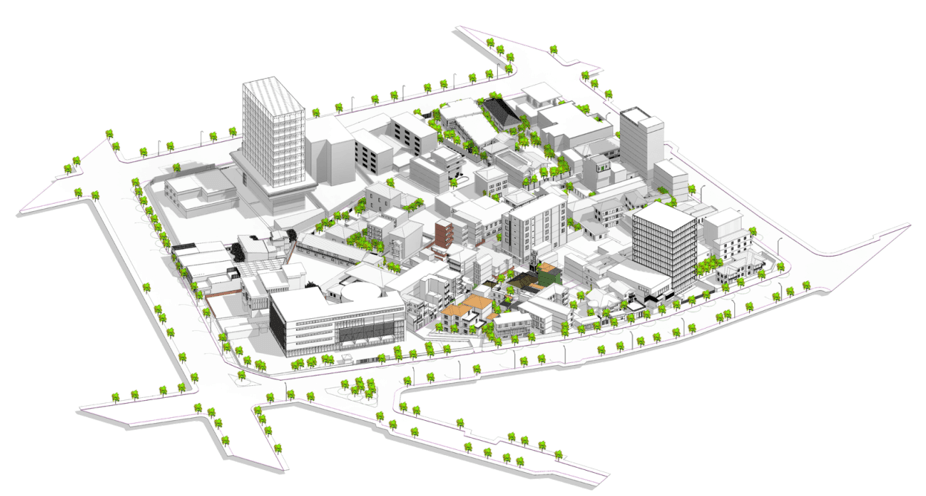
Overall urban masterplan model (3D)
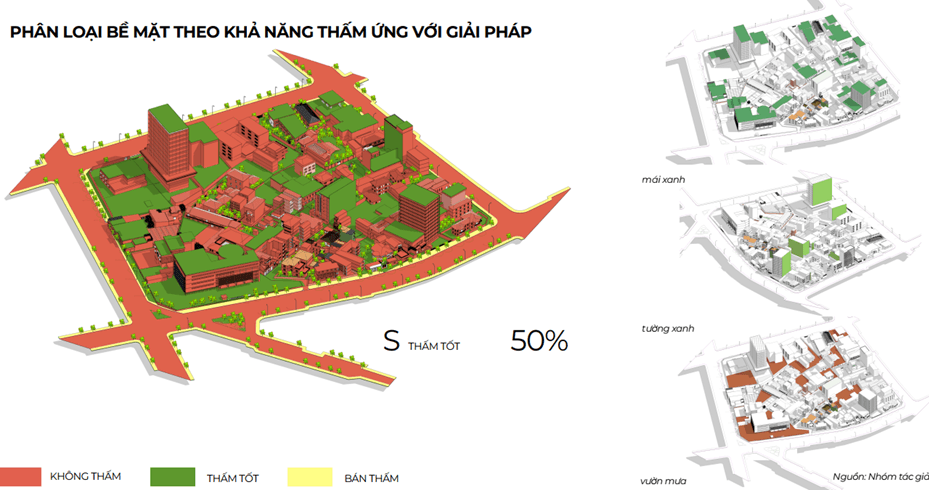
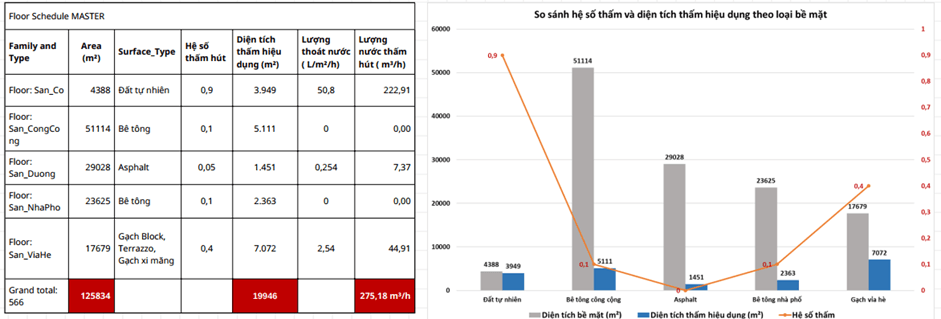
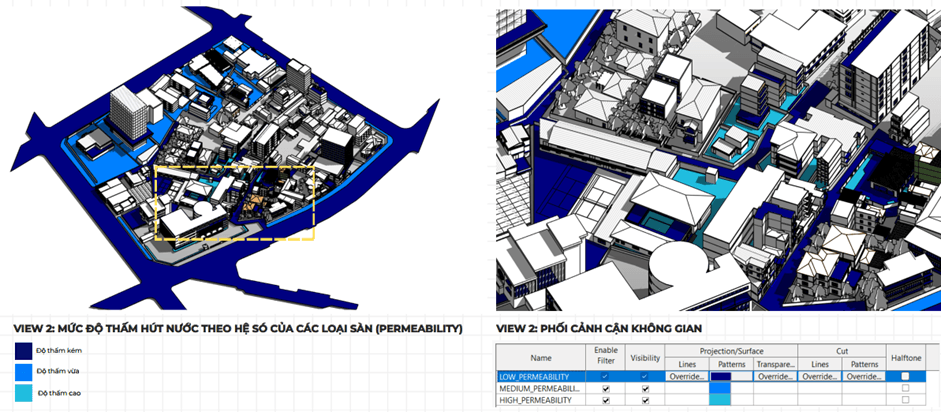
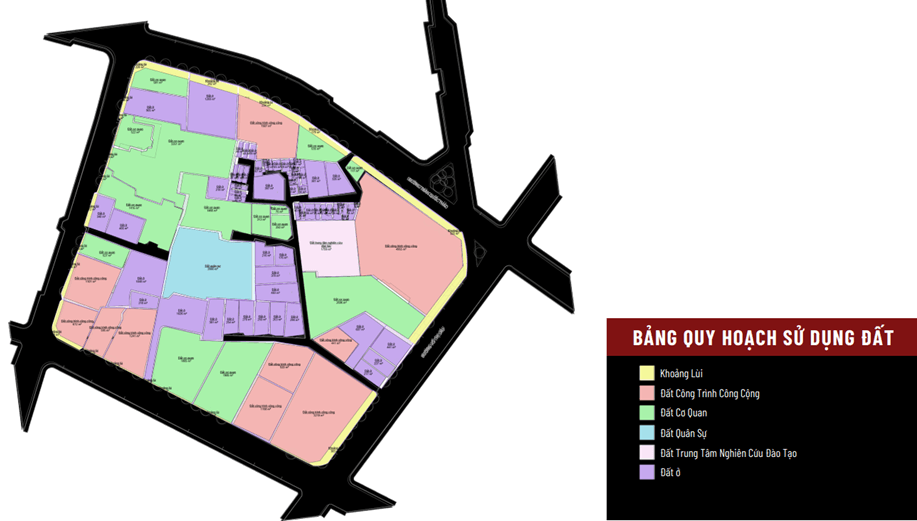
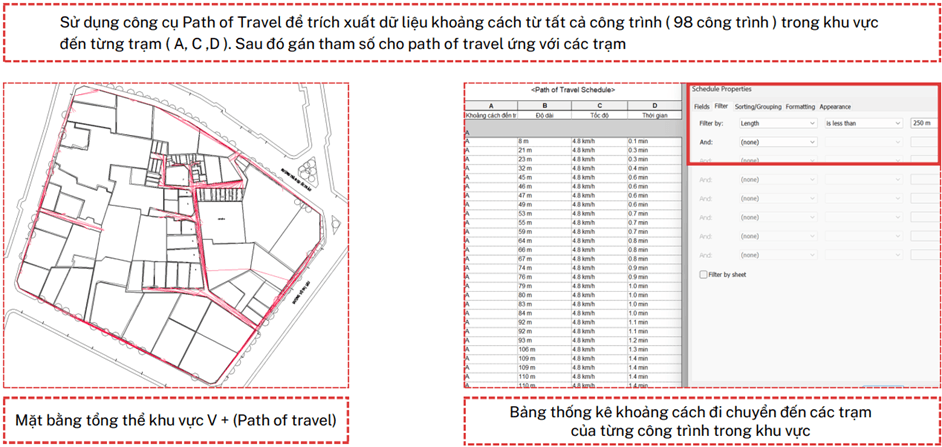
The groups' proposed solutions are based on Building Information Modeling (BIM).
After the course, students not only master software operation but also develop BIM thinking as an approach to information in design and construction management: distinguishing an information model from a geometric model, understanding and applying international standards (ISO 19650, CDE), and recognizing the role of BIM in digital urban governance. The course reflects ISCM's orientation: equipping students with integrated professional competencies that connect construction technology with the challenges of smart-city management.
Building Information Modeling (BIM) — Institute of Smart City and Management (ISCM). Instructor: Thai Anh Vu, M.Arch.