Mathematics as Design Language: When Mathematics Becomes the Language of Design


“Mathematics is difficult.”
“Mathematics is not for artists."
"Mathematics is just a collection of abstract formulas with little relevance to real life.”
For many people, mathematics is often associated with complex calculations, abstract symbols, and high-pressure examinations. Within architecture and urban design education, many students have expressed similar concerns when first encountering the course Mathematics and Introduction to Computational Design in the curriculum. For those pursuing creative disciplines, mathematics has long been perceived as a world completely separate from art and design.
But what if mathematics is more than numbers?
What if a formula could generate space?
What if logic could become a creative tool?
And what if mathematical principles could be transformed into a language for telling stories about people, places, and memories?
As a foundational course in the Bachelor’s Program in Architecture and Smart Urban Design, Mathematics and Introduction to Computational Design is designed to introduce students to algorithmic thinking and the mathematical foundations of computational design. Guided by the vision of Mathematics as Design Language, the course explores a primary question: Can mathematics become a medium for thinking, expressing, and constructing space?
The architecture and design industries are undergoing profound transformation driven by digital transformation, artificial intelligence (AI), and data-informed design processes. According to the Autodesk State of Design & Make Report 2024 and the World Economic Forum Future of Jobs Report 2025, skills such as analytical thinking, data literacy, technological understanding, and adaptability are becoming essential competencies for the future workforce. In this context, the course is designed to help students develop logical thinking, understand mathematical principles, and translate them into generative systems, spatial organizations, and design strategies for the digital era.
The curriculum is positioned at the intersection of Mathematics, Art, and Architecture. Drawing inspiration from international pedagogical approaches in Computational Design, students are introduced to a design methodology in which geometry is no longer produced solely through manual drawing but emerges from rules, formulas, and relationships between data.
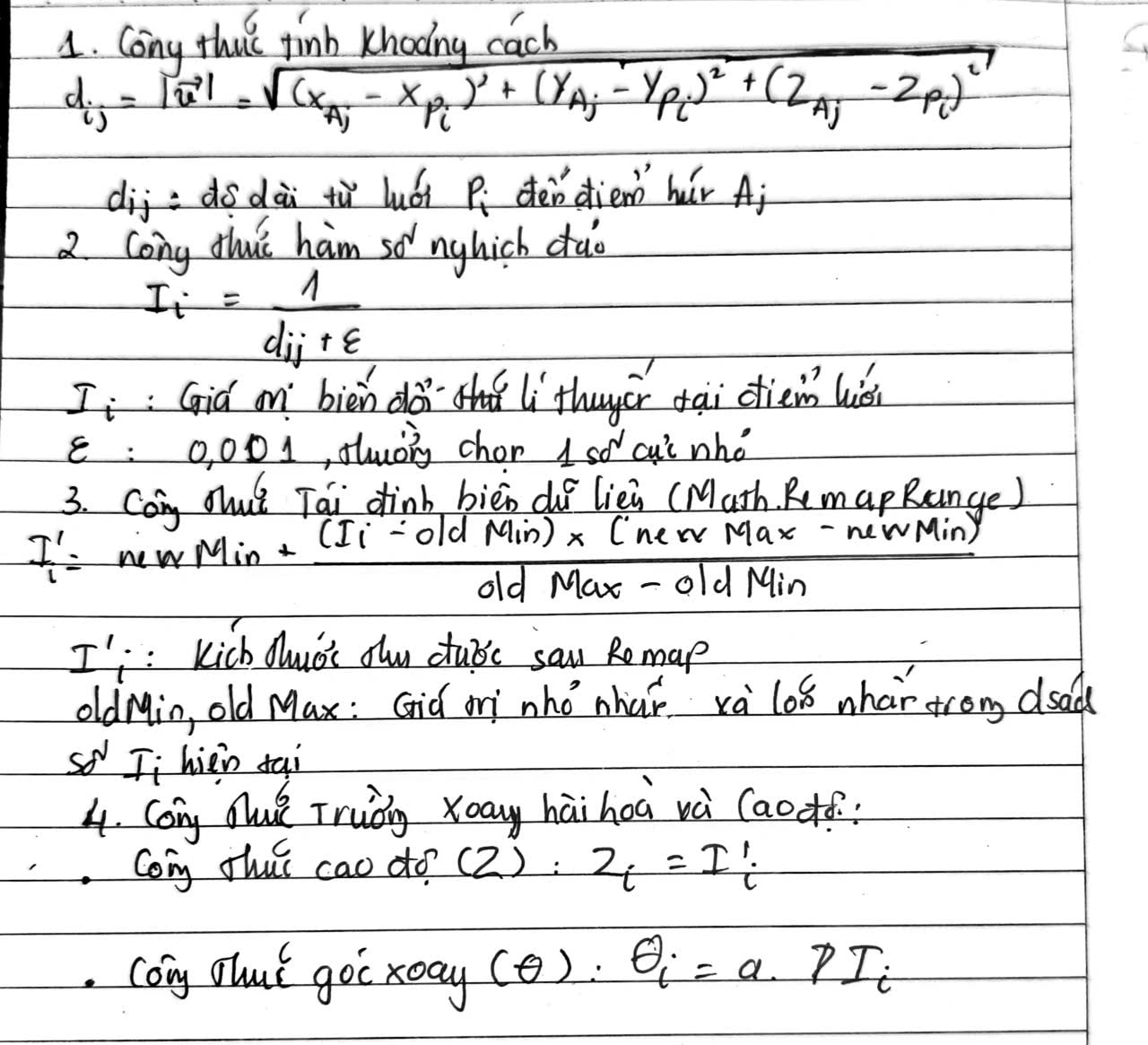
During the first phase, students work within a two-dimensional environment, exploring variables, constants, geometric rules, distance fields, attractors, thresholds, and geometric transformations such as translation, scaling, and rotation. Through a sequence of exercises progressing from points and lines to curves and surfaces, students discover how a single mathematical formula can generate entire families of geometries rather than a fixed form.
The second phase expands these explorations into three-dimensional space. The introduction of the Z-axis enables mathematical rules to produce more complex spatial organizations and volumetric expressions. At the same time, students are introduced to data management through list logic, learning how to organize, filter, shift, and connect information to construct highly interconnected geometric systems.
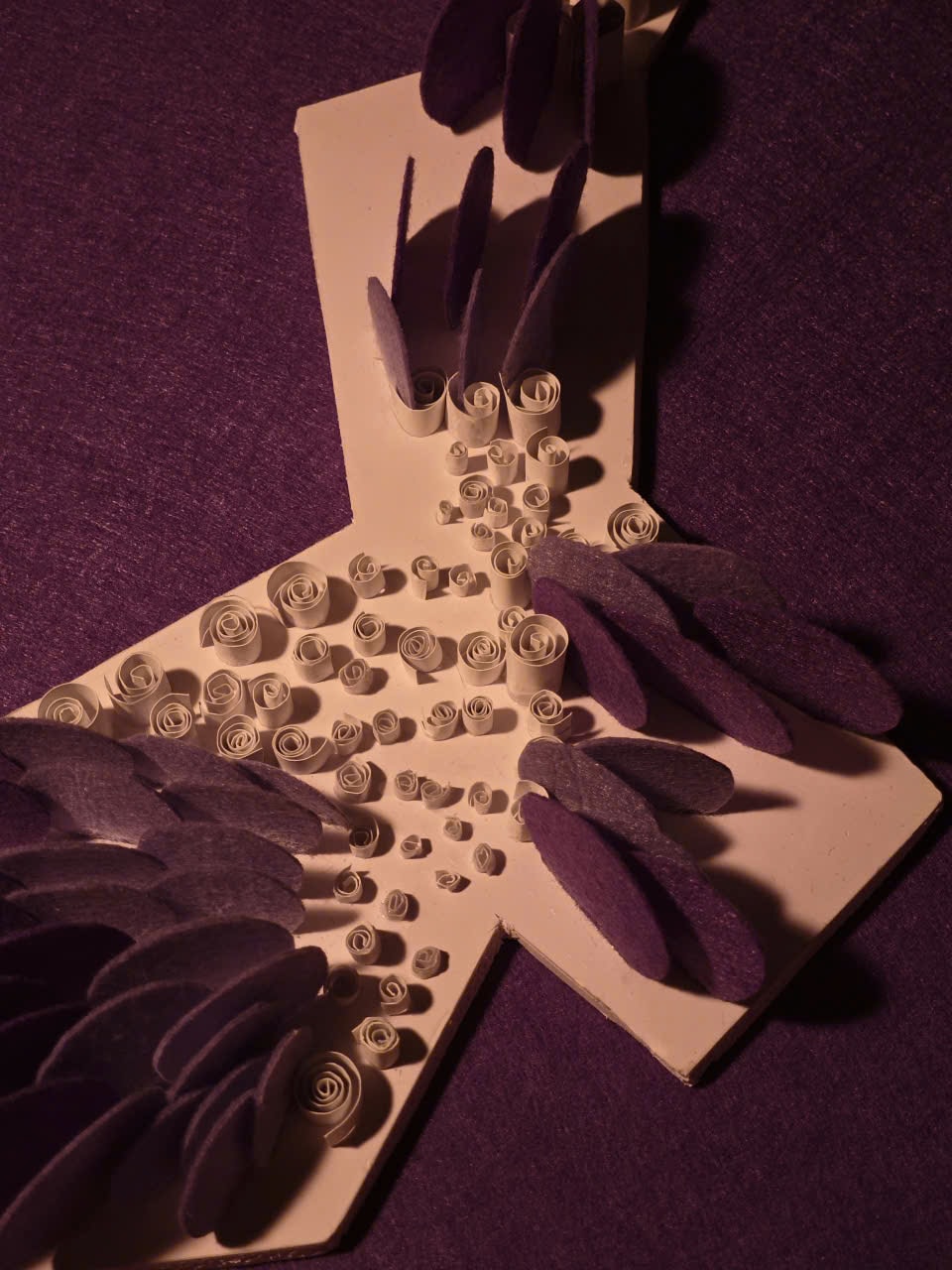
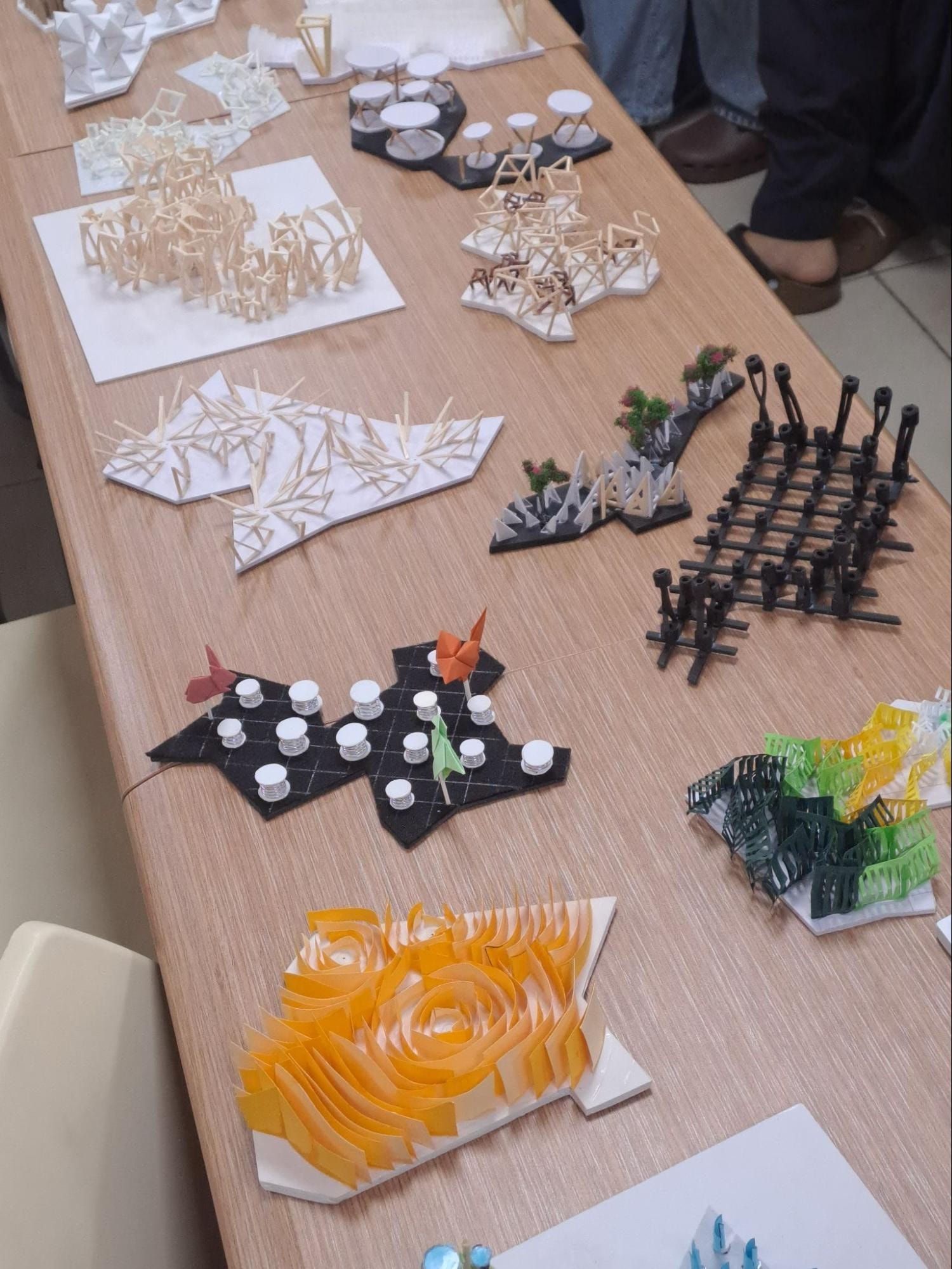
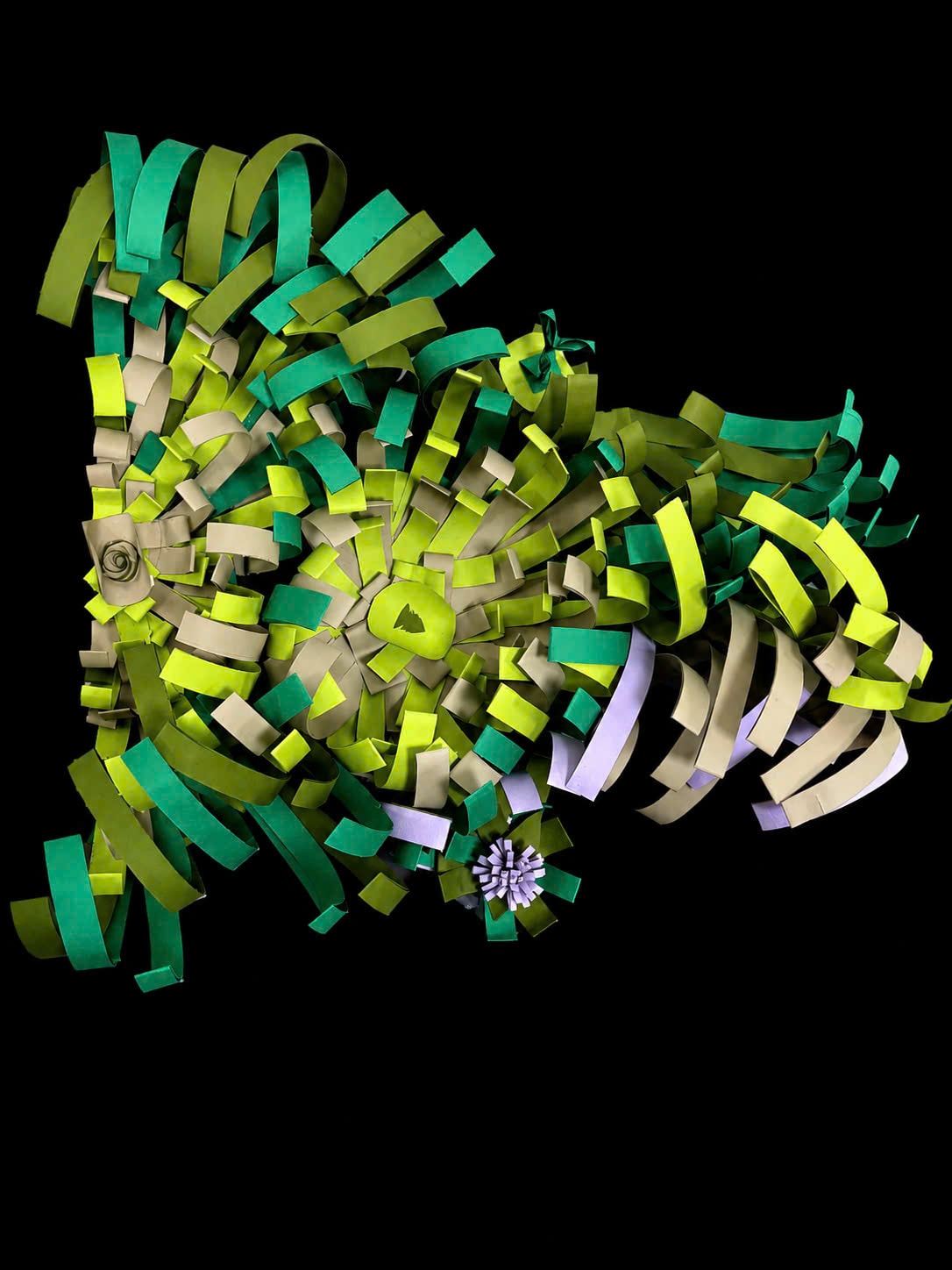
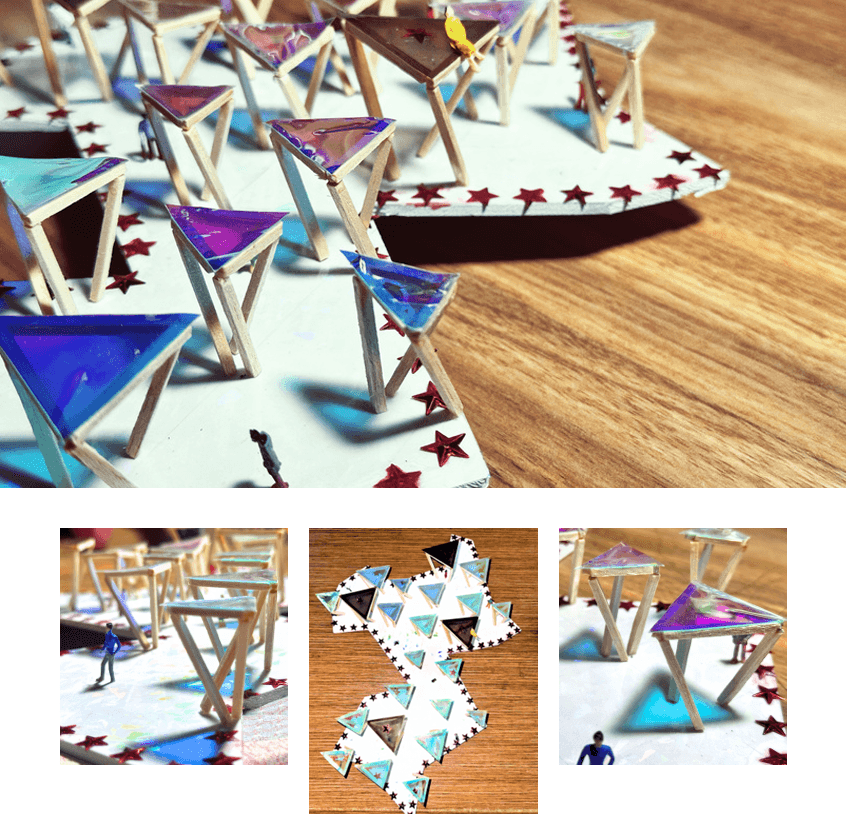
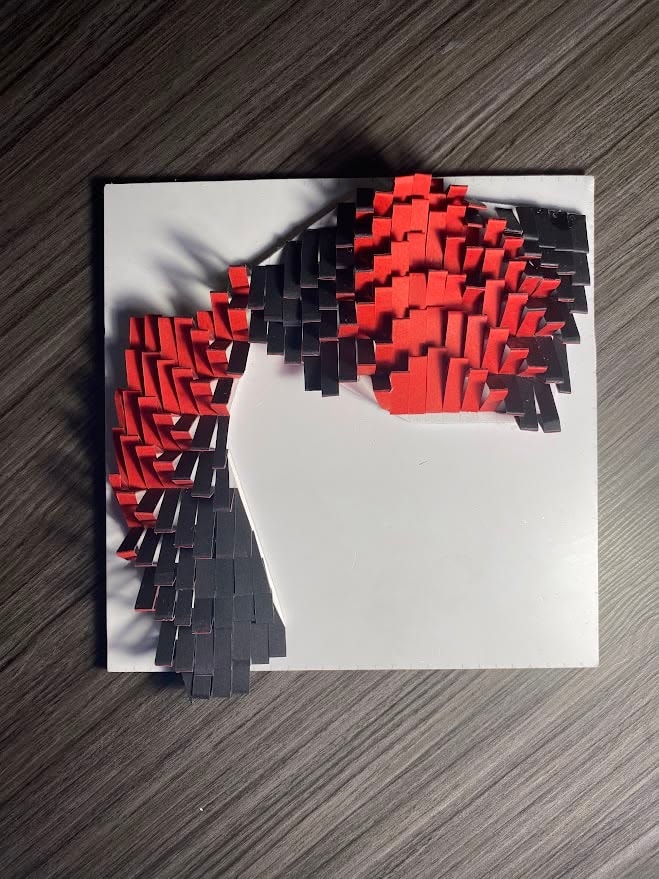
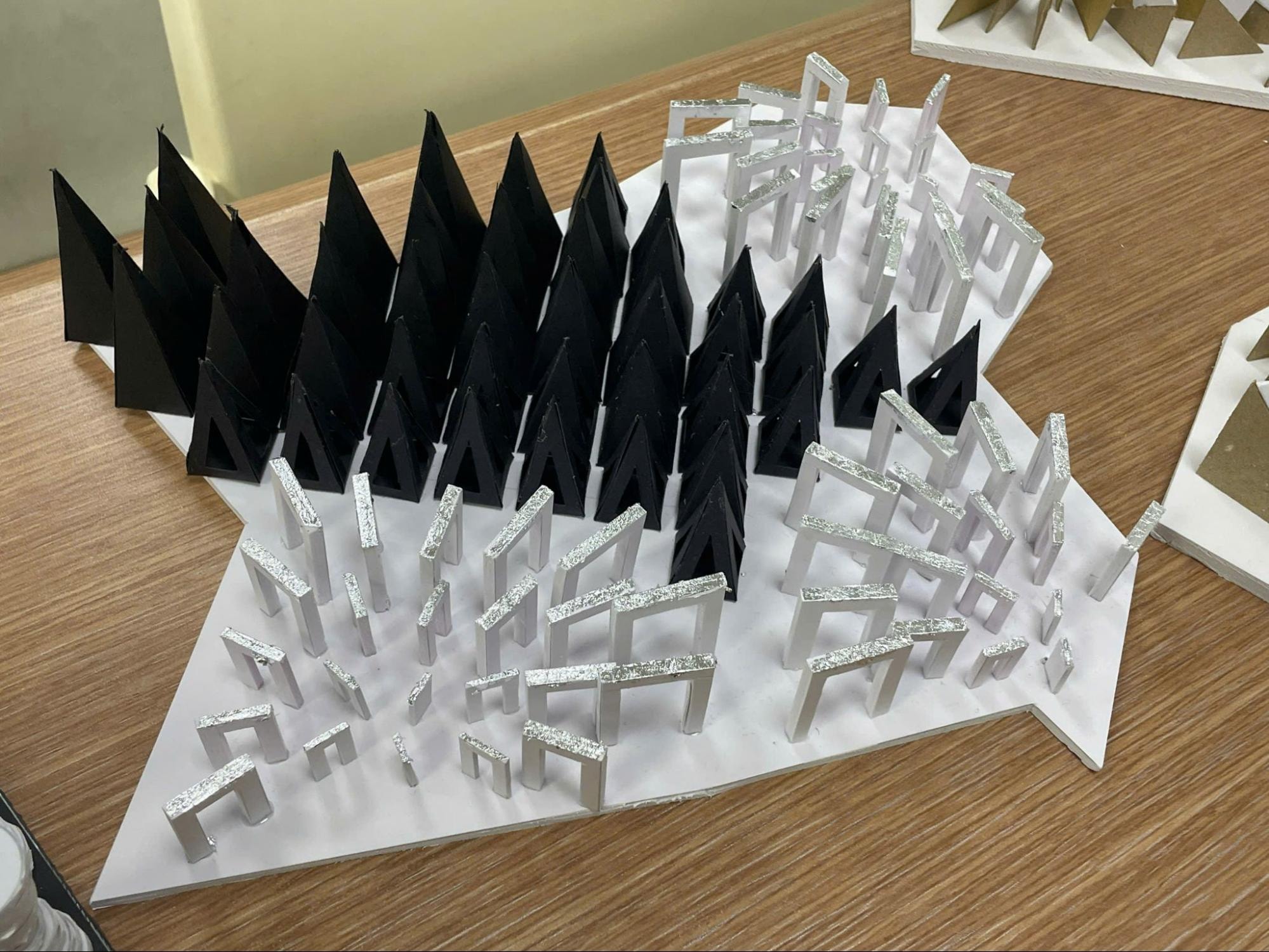
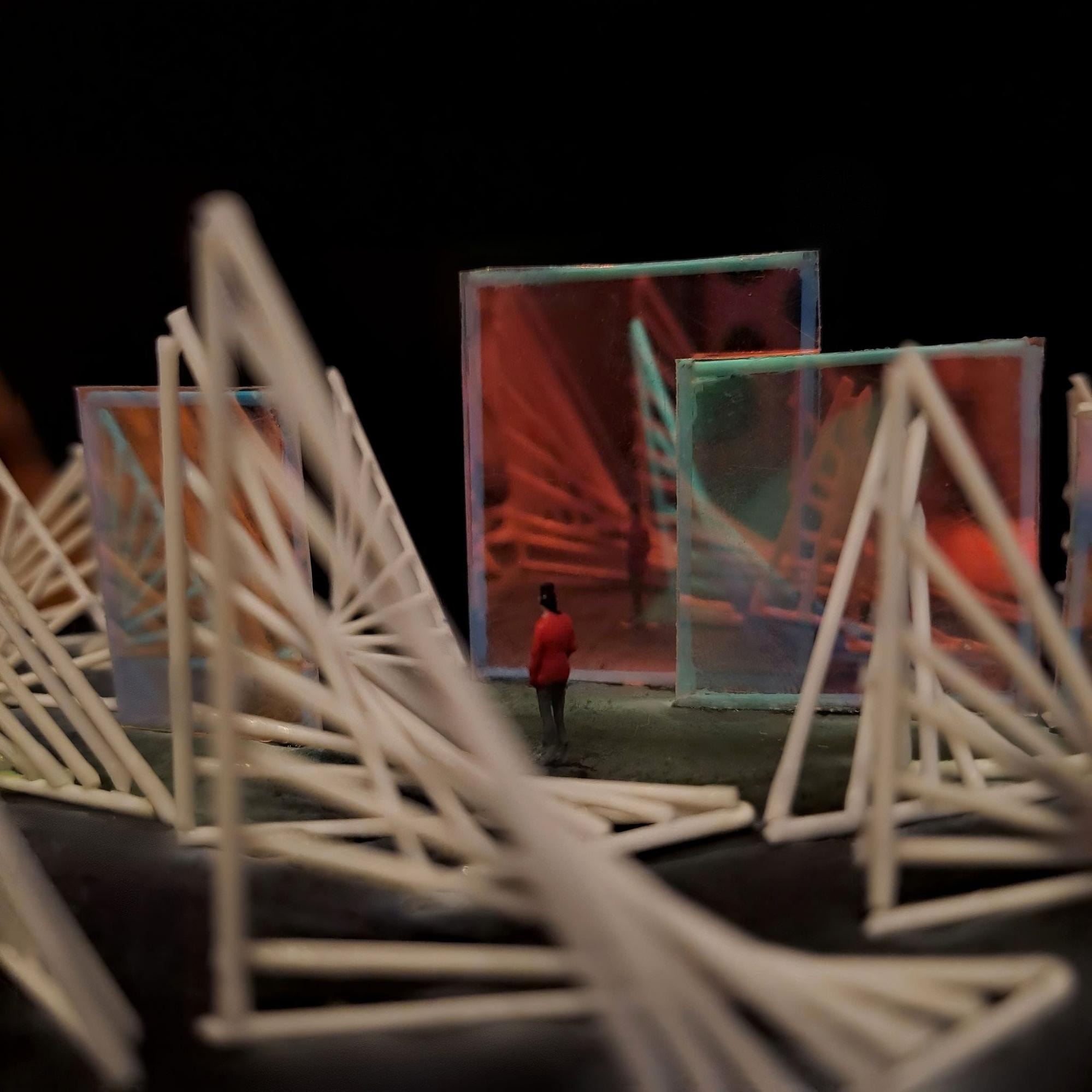
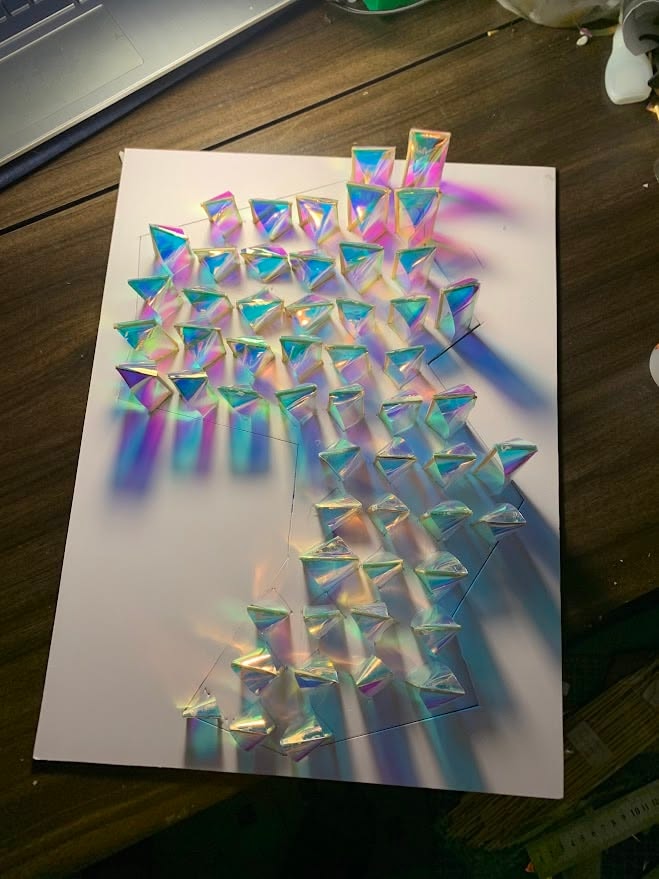
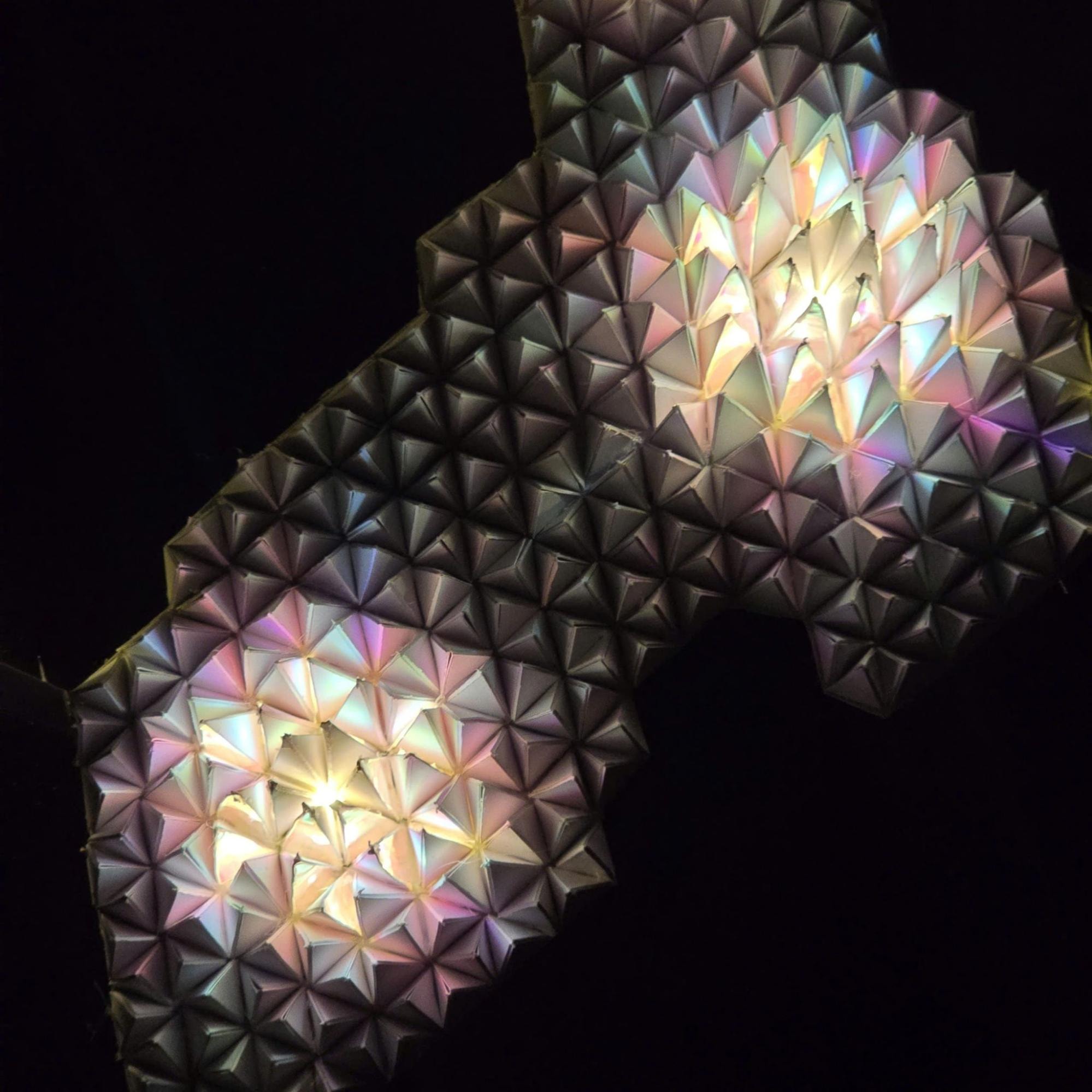
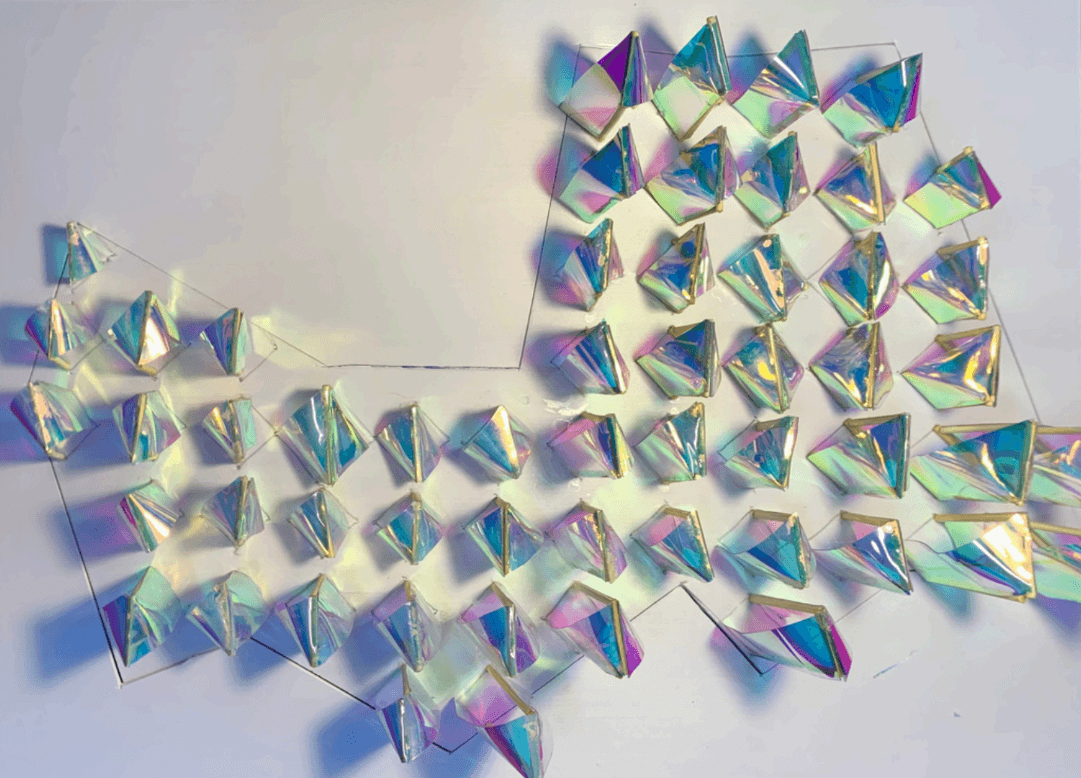
A distinctive aspect of the course is its understanding of mathematics as a storytelling device. For the final project, students synthesize all previously acquired concepts to create a spatial installation that responds to real landmarks from their hometowns. Rather than representing local identity through literal imagery, students employ data, distance relationships, influence fields, and mathematical rules to interpret and communicate the character of place.
Course Structure
The course is organized into two main phases.
Phase 1, students work within a two-dimensional plane, exploring variables, constants, geometric rules, distances, attractors, thresholds, and geometric transformations such as translation, scaling, and rotation. Through a sequence of exercises progressing from points, lines, curves, and surfaces, students discover how a single mathematical formula can generate entire families of geometries rather than a fixed form.
Phase 2 expands these exploration into three-dimensional space. Height (the Z-axis) is introduced as a new variable, allowing mathematical rules to generate more complex spatial organizations and volumetric expression. At the same time, students are introduced to data management through list structures, learning how to organize, filter, shift, and connect data to form highly integrated geometric systems.
A distinctive aspect of the course is its approach to mathematics as a storytelling tool. The final project requires students to synthesize all previously acquired concepts to create a spatial installation responding to real landmarks from their hometowns. Rather than directly illustrating local places through literal imagery, students use data, distances, fields of influence, and mathematical principles to interpret and communicate the character of place
Telling Stories of Home Through Mathematics
The course resulted in more than 30 individual thoughts, each representing a unique local context. Each submission includes not only digital and physical models but also mathematical formulas, logical diagrams, and geometric development processes.
Many projects demonstrated a remarkable ability to transform mathematical principles into expressive spatial language. Concepts often considered abstract, such as distance, thresholds, and data transformation, became instruments for organizing geometry, shaping structures, and creating new spatial experiences. This highlights that mathematics is not only a technical foundation but also a source of practical and creative design value.
The most valuable contribution of the course lies in the development of systematic thinking. Students learn how to work with controllable components, establish relationships between datasets, and develop solutions through logic. Such capabilities are increasingly valued in architecture, urban design, construction technology, and data-related industries of the future.
Mathematics and Introduction to Computational Design opens a new direction while laying the foundation for subsequent courses in the curriculum. The knowledge developed through algorithmic thinking, data processing, and geometric expression will continue to evolve throughout the program.
In conclusion, under the theme of Mathematics as Design Language, the course not only introduces students to a new design methodology but also reshapes how mathematics itself is perceived. From formulas that once seemed abstract and rigid, students learn to transform logic into geometry, data into space, and thinking into a language of design. This foundation equips future smart designers to adapt and thrive in an era where artificial intelligence and digital technologies are continuously reshaping professional practice worldwide.